
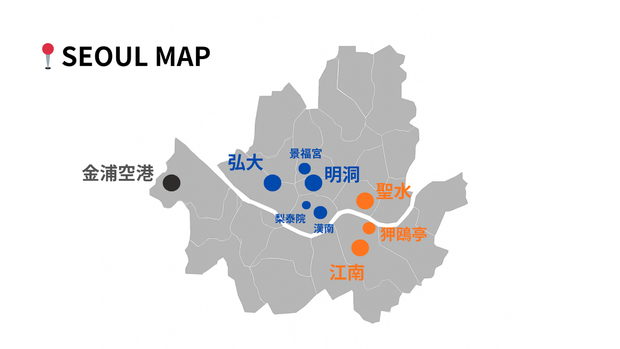
Winter travel in Korea, with Seoul experiencing harsh cold of 2026 -10°C to 5°C, offers the richest experience of all four seasons with hot soup dishes, snow-covered Gyeongbokgung Palace, and vibrant late-night food culture. From breakfast to late-night snacks, tourist spots to travel routes — this single guide will help you plan a winter trip without regrets.
Winter Weather Overview (December~February)
- Temperature: -10°C to 5°C based on Seoul
- Feels-like temperature: Can drop to -20°C with wind
- Snow: Falls intermittently, mainly concentrated in January~February
- Feels harsher due to dry cold, but you can see clear and beautiful skies
If you're curious about detailed monthly weather, check out the January Korea Weather Guide.
Breakfast — Energy Boost for Cold Days
Korean Breakfast
- Gukbap (soup with rice): The essence of Korean breakfast with rice mixed in hot soup. Various types including pork soup, sundae soup, and hangover soup
- Juk (porridge): Warm and soft Korean-style porridge that's easy on the stomach. Bonjuk chain stores can be found anywhere
- Toast: Korean-style egg toast sold at street stalls or chains like Isaac Toast. Filling and costs about 2,500~4,000 won
Convenience Store & Cafe Breakfast
- Triangle kimbap: A convenient meal for about 1,000 won
- Hoppang (steamed buns): Sweet or savory flavors, perfect for cold mornings
- Cup noodles + hot drinks: Use hot water stations at CU, GS25, 7-Eleven
- Starbucks, A TWOSOME PLACE, EDIYA and other major cafes open early and also serve brunch sets
Late-Night Snacks — Seoul Never Sleeps
Must-Try Late-Night Foods
- Chimaek (chicken and beer): Korea's representative late-night combo. Chains like KyoChon, BBQ, BHC offer 24-hour delivery
- Pojangmacha (street food stalls): Street stalls selling tteokbokki, oden, and makgeolli
- 24-hour restaurants: Kalguksu shops, seolleongtang shops, gukbap restaurants
- Delivery: Using the Baedalui Minjok app, food can be delivered to your hotel lobby
For more detailed late-night restaurants, check out the Late-Night Korea Restaurant Guide (with NAVER MAP).
Essential Winter Tourist Attractions
Seoul Core Attractions
- Gyeongbokgung Palace: Spectacular when it snows; free admission with hanbok rental + perfect photos
- Bukchon Hanok Village: The charm of snow-covered traditional tile roofs
- Namsan Tower: City view overlooking winter sunset
- Cheonggyecheon: Winter light festival illuminations (December~January)
- Starfield Library at COEX: A warm indoor refuge and photo spot
Day Trip Recommendations
- Nami Island: Winter scenery that inspired "Winter Sonata" — magical when it snows
- Ski resorts: Vivaldi Park, Yongpyong, High1 — accessible by bus from Seoul
- Suwon Hwaseong: UNESCO World Heritage site, beautiful historical site under winter sunlight
Winter Transportation & Packing
Essential Transportation Information
- NAMANE or T-money card: One touch for subway, bus, and taxi rides
- Subway: Fully heated, punctual, underground passages connecting stations are warm refuges
- Download NAVER MAP (Google Maps has limited functionality in Korea)
- Keep your phone warm — battery drains quickly in cold weather
To learn more about Korean transportation cards, check out the NAMANE Card Getting Started Guide.
Packing Checklist
- Long padding jacket (buying one in Korea is also an option!)
- Thermal underwear (Heattech style)
- Non-slip warm boots (beware of ice!)
- Hat, scarf, winter gloves
- Hand warmers (available at any convenience store for about 1,000 won)
- Power bank (rapid battery drain in cold weather)
- Moisturizer, lip balm, sunscreen
Frequently Asked Questions (FAQ)
Q. When is the best time for winter travel to Korea?
Late December to early January is the optimal time to enjoy Christmas markets and snow festivals. However, many stores are closed around Lunar New Year (first day of lunar calendar), so schedule checking is necessary. For skiing purposes, January-February has the most snowfall.
Q. Is it okay to try hanbok experience in winter?
Yes! There are many places around Gyeongbokgung Palace that rent winter hanbok (cold-weather materials). When wearing hanbok, admission to major palaces like Gyeongbokgung and Changdeokgung is free, and hanbok photos in snowy palaces will be memories of a lifetime.
Q. How much budget is needed per day in winter Seoul?
For backpackers, about 50,000-80,000 won per day, and for mid-range travelers, about 100,000-150,000 won is sufficient. Meals cost around 8,000-10,000 won for gukbap, 3,000-5,000 won at convenience stores, and 5,000-7,000 won at cafes. For transportation costs, refer to the Budget Korea Travel Guide.
This article was written using information collected and analyzed by NAMANE's in-house K-pop research AI engine. We use AI technology to bring you faster, broader coverage, and in the process some details may occasionally differ from the latest facts. For important information such as dates, venues, and prices, please double-check with official sources.


