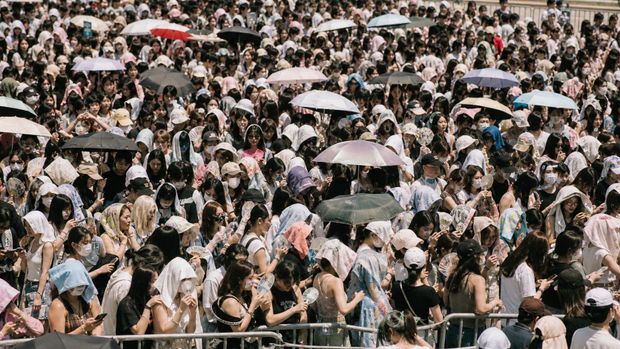
A Seoul concert day in late July now needs to be planned like a heat-safety schedule, not just a ticketed event. Long queues, fan-zone movement, and post-show station crowds can turn dangerous when the apparent temperature is near 38°C .
Why are 38°C concert waits risky in Seoul right now?
38°C concert waits are risky in Seoul because late-July heat alerts combine high apparent temperatures, tropical nights, exposed queues, dense crowds, and slow transit exits into a real safety issue for K-pop travelers. According to The Korea Times, Seoul had logged three consecutive tropical nights after the monsoon ended, while feels-like temperatures had hovered around 38-39°C for days .
Quick Answer: Seoul concert waits near 38°C are a safety risk because heat stress builds during exposed queues and crowd bottlenecks. KDCA recorded 1,070 heat-related illness patients from May 15-July 21, 2026, so fans should shorten outdoor waiting, map exits, and leave queues when symptoms begin .
The problem is not only the temperature printed in a weather app. Korea’s heat-alert system is based on apparent temperature, which reflects how hot the body experiences the air after humidity and other conditions are considered. The Korea Meteorological Administration defines a heatwave advisory as a daily maximum apparent temperature of at least 33°C for two or more days, and a heatwave warning as at least 35°C for two or more days . For fans, that turns the alert into a planning rule: less time in the sun, fewer nonessential queues, and more indoor recovery before doors open.source
Health surveillance data show why concert travelers should treat the current heat as an operational constraint. KDCA recorded 1,070 heat-related illness patients and 4 presumed deaths from May 15-July 21, 2026, based on provisional emergency-room surveillance from 516 participating medical institutions . A concert day adds the exact conditions that make heat harder to manage: fixed entry times, bag checks, standing lines, limited shade, crowded bathrooms, and delayed subway movement after the encore.source
| Risk signal | What it means for concert travelers | Source |
|---|---|---|
| Feels-like 38-39°C in Seoul | Limit exposed queue time and avoid treating merch lines as casual outdoor waiting. | The Korea Times |
| Heatwave warning threshold: 35°C apparent temperature for two or more days | Use the alert as a schedule boundary, not a background weather note. | KMA |
| 1,070 heat-related illness patients in early-season surveillance | Leave the queue early if dizziness, nausea, confusion, or heavy weakness begins. | KDCA |
"Move slowly, keep distance during entry and exit, follow staff instructions, and call 119 if you see danger or feel physically abnormal," advises Korea Tourism Organization in its concert safety guidance (source: Visit Korea) .
The practical change is simple: fans should plan the day around heat exposure before planning around photos, cafe stops, or merch. Pre-map the nearest exits, toilets, water points, shaded areas, medical posts, and transit alternatives before the crowd forms. If symptoms start, the right decision is to step out of the line, find a cool place, contact staff, or call 119 for emergency help instead of trying to protect a queue position .
What do Korea's heat alerts mean for concert travelers?
Korea’s heat alerts are practical planning signals for concert travelers, not background weather labels: a heatwave advisory means outdoor time should be compressed, while a warning or severe warning means exposed queues and strenuous transfers should be treated as optional risks. The Korea Meteorological Administration defines a heatwave advisory as a daily maximum feels-like temperature of at least 33°C for two or more days, and a heatwave warning as at least 35°C for two or more days .
For fans, “feels-like temperature” is the key phrase. It reflects how heat is experienced by the body, so humidity, sun exposure, crowd density, and standing still in a line can make the venue approach feel harsher than the air-temperature headline. A K-pop concert day often includes transit, security checks, merch pickup, fan events, food lines, photo zones, and post-show crowd release; each step adds heat load before the actual performance starts.
The higher alert tier matters because Korea’s Korean-language heat safety guide describes a severe heat trigger that can apply after at least two observed days at 35°C apparent temperature, followed by a forecast of 38°C apparent temperature or 39°C actual air temperature for at least one day . In traveler terms, that is the point where “arrive early and wait” can become the wrong default. Early arrival still helps crowd flow, but only if the waiting plan includes shade, indoor breaks, water access, and a clear exit option.
- Advisory: keep the concert plan, but move sightseeing, outdoor photo stops, and merch browsing into cooler parts of the day. Use indoor malls, subway stations, cafes, or hotel rest periods between fixed event times.
- Warning: skip nonessential outdoor queues, reduce walking transfers, and avoid standing in direct sun just to hold a place. If official staff provide timed entry or phased movement, follow that rhythm.
- Severe warning conditions: treat exposed waiting as a safety decision. If a fan event, merch line, or photo zone has no shade or medical support nearby, leaving is a reasonable choice.
The national response confirms that this is an operational issue. The Ministry of the Interior and Safety raised the heatwave disaster crisis warning to “serious” at 3 p.m. on July 27, 2026, and activated the Central Disaster and Safety Countermeasures Headquarters for coordinated response . The same government notice said authorities were checking cooling centers and shade facilities, extending cooling-center hours depending on tropical-night conditions, and preparing measures such as schedule adjustments for outdoor events and festivals in severe-warning areas .
The decision rule is simple: under an advisory, compress outdoor plans; under a warning or severe warning, avoid nonessential exposed queues and strenuous transfers. A concert ticket does not require fans to complete every side activity around the venue. Prioritize entry timing, hydration, shaded rest, medical access, and a reliable route home over merch timing or queue position.
What should fans do before entry, merch lines, and exit?
Fans should treat entry, merchandise lines, and exit as heat-management points, not just schedule details. The safest plan is to move outdoor sightseeing and merch waiting to the morning or evening, avoid extended outdoor activity from 2 p.m. to 5 p.m., and keep enough arrival time to move calmly without spending extra hours in exposed queues.source
Before leaving for the venue, decide which activities are essential. A ticket scan, restroom stop, water purchase, and route check matter more than being early for every booth. Korea Tourism Organization heat guidance says travelers should drink water rather than alcohol or caffeinated beverages during heat conditions. For concert fans, that means a coffee-heavy afternoon, alcohol before entry, or a long unshaded merch line can make the show harder to finish safely.
- Before entry: arrive early enough to avoid rushed walking, but first locate shade, toilets, water points, medical posts, and exits. KTO’s BTS Goyang concert safety guidance tells attendees to identify the nearest evacuation route before entering the venue and follow staff instructions during crowd movement.
- Merchandise lines: check whether sales continue after the hottest part of the day, whether online pickup exists, or whether a friend group can rotate short waits. If the line is in direct sun, treat queue position as optional; heat symptoms are a higher-priority signal than buying goods.
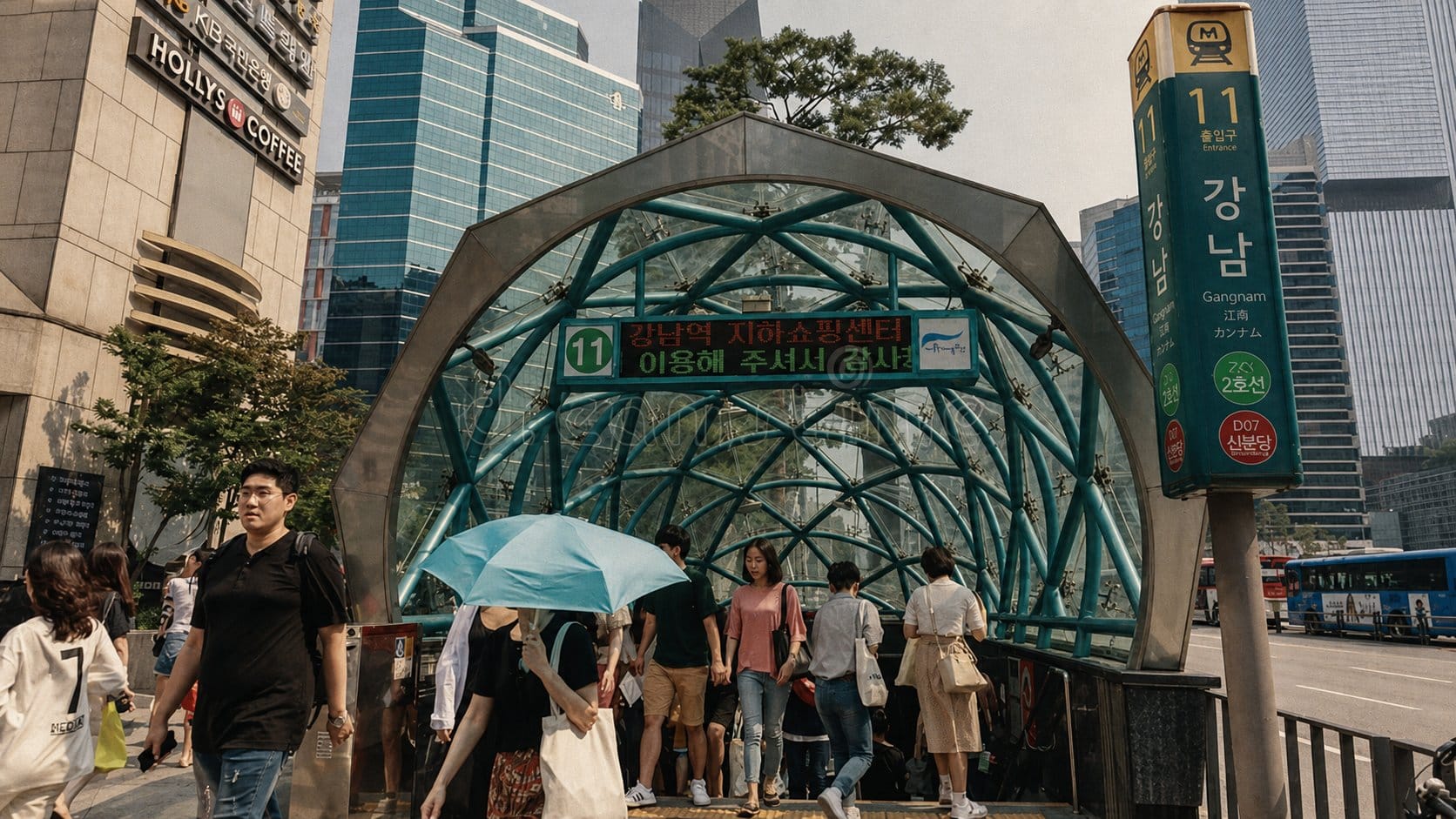
- During exit: move slowly, keep distance where possible, and avoid pushing toward the first subway entrance if staff are holding a phased exit. KTO’s concert safety pattern emphasizes slow movement during entry and exit, keeping distance, and not climbing or leaning on fences.
Packing should be practical and small enough to pass venue checks. Carry water, light breathable clothing, sun protection, regular medication, a charged phone, and a battery pack. BudgetWon’s Korea heatwave guide also recommends installing the Emergency Ready App, allowing location and notifications, and preparing water, a hat or umbrella, sunscreen, medication, a charged phone, and a portable battery for summer travel. Keep the phone battery for maps, translation, emergency alerts, and calling help rather than spending it entirely on filming queue content.
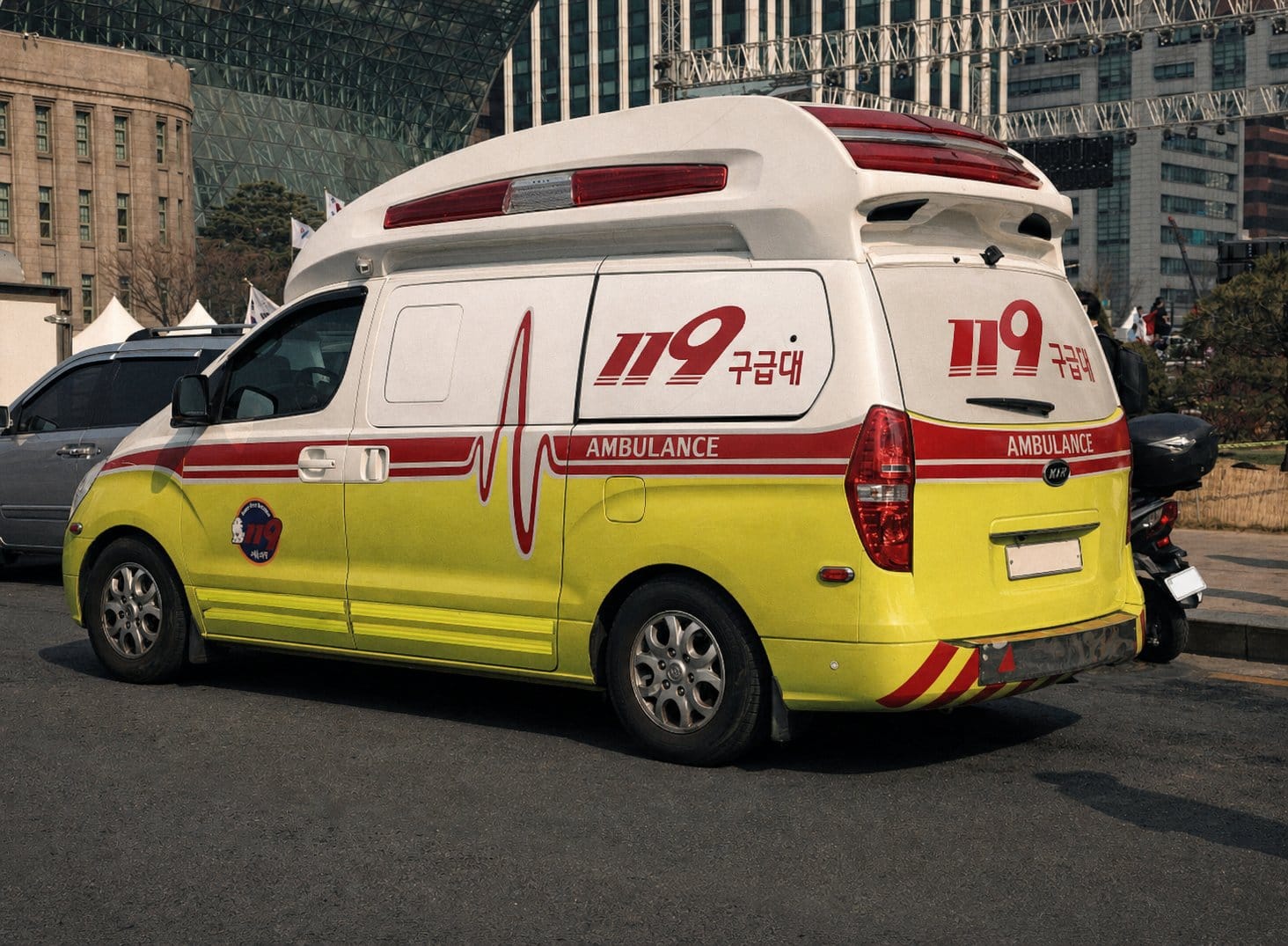
The entry plan should include an emergency phrase and meeting point. KTO advises attendees to notify staff or call 119 if they see danger or feel physically abnormal, and English speakers can ask the 119 operator for “English Please”. For groups, choose a shaded meeting point outside the densest gate area before the show starts. If someone becomes dizzy, nauseated, confused, or unusually weak, leave the line and ask staff for the medical post instead of waiting to see whether the symptoms pass.
Where can travelers cool down and get official help in Seoul?
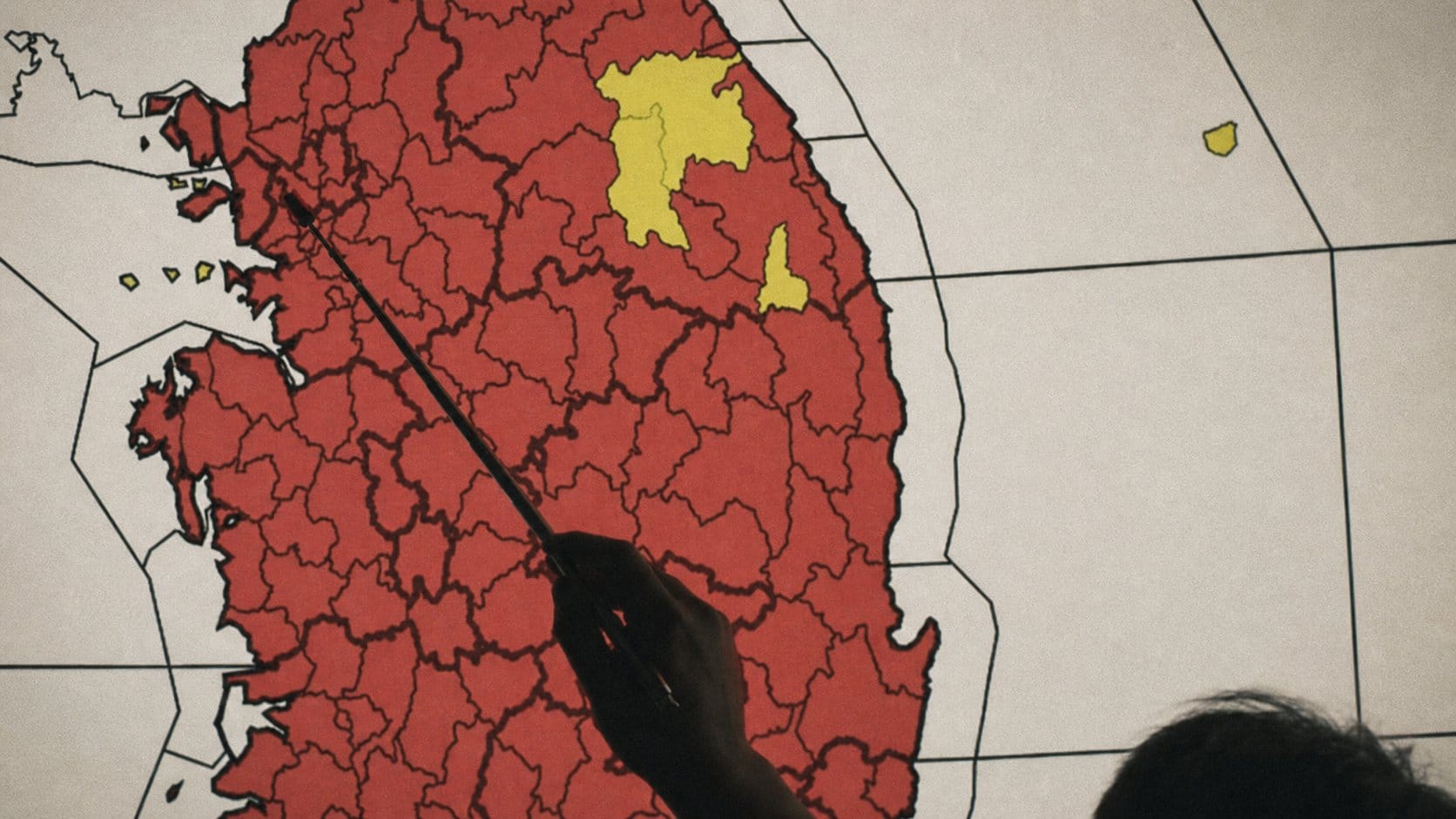
Travelers can cool down in Seoul by using official cooling refuge spaces, shaded public facilities, indoor transit stops, and event medical posts instead of staying in exposed queues. Seoul opened 24 district-office cooling refuge spaces around the clock during heat-alert periods after expanding a citywide heat advisory on July 11, 2026 , so fans should treat cooling stops as part of the concert plan, not as a backup.
The practical move is to identify a cool place before the line forms: the nearest subway station, department store, cafe, public building, or official shelter shown through government channels. During the current heat response, the Ministry of the Interior and Safety said authorities are checking cooling centers and shade facilities, extending cooling-center hours when tropical nights require it, and adjusting outdoor event or festival schedules in severe-warning areas . For concert days, that means posted entry times, outdoor fan events, and queue rules can change for safety reasons.
Install the Emergency Ready App before leaving your hotel or guesthouse. According to the Ministry of the Interior and Safety, the app provides emergency alerts in 22 languages, safety guides, disaster-shelter information, and public medical facility searches . Enable location access and notifications so a heat alert, shelter notice, or nearby medical facility search works when you are moving between a venue, station, and accommodation.
- For urgent symptoms or crowd danger: call 119 and say “English Please” if you need an English-speaking response, as advised in Korea Tourism Organization concert safety guidance .
- For tourism interpretation: use 1330 when you need help explaining a location, transport issue, or event-related problem in English, Japanese, Chinese, or Korean .
- For medical consultation or emergency-room information: use 1339, especially if a fan is unwell but you are unsure which hospital or clinic can help nearby .
Cooling down should be planned around the hottest part of the day, not only around doors-open time. Korea Tourism Organization heat guidance recommends avoiding outdoor activity from 2 p.m. to 5 p.m., drinking water instead of alcohol or caffeinated drinks, and using cooling centers or cool places if dizziness, nausea, or headache appears . For a Seoul concert traveler, the safest schedule is usually merch early, indoor rest midday, then a measured move to the venue when entry flow is active.
When should a fan leave the queue or call 119?
A fan should leave the queue as soon as heat symptoms affect awareness, balance, breathing, or basic movement, and someone nearby should call 119 immediately if heatstroke is suspected . Heatstroke signs include impaired consciousness, very hot skin, severe headache, chills, rapid pulse or breathing, low blood pressure, or suspected body temperature above 40°C . In a concert queue, that means staff help and medical access matter more than keeping a place for merch, soundcheck, or the encore.
The Korea Meteorological Administration’s heat illness safety guide defines heatstroke as a condition where body temperature regulation fails and central nervous system symptoms can appear, with high fatality risk if response is delayed . The immediate response is direct: call 119, move the person to a cool place, loosen clothing, cool the body with water and airflow, and place ice packs on the neck, armpits, and groin while waiting for emergency help .
"Call 119 immediately, move the patient to a cool place, loosen clothing, and cool the body," advises the Korea Meteorological Administration in its heatwave safety guidance (source: Korea Meteorological Administration) .
Heat exhaustion should be treated before it becomes an emergency. Heavy sweating, cool wet skin, weakness, fatigue, cramps, nausea, vomiting, confusion, or dizziness are signals to stop standing in line, rest in an air-conditioned or cool place, drink water, and cool the body with a shower, bath, wet towel, or airflow . If symptoms last more than one hour or do not improve, the KMA guidance says to seek medical care .
- Do not wait for collapse: confusion, faintness, abnormal speech, or trouble walking should end the queue plan immediately.
- Do not give alcohol or high-caffeine drinks to someone showing heat illness symptoms; official travel guidance recommends water instead .
- Do not separate from a sick friend at entry gates or transit exits; tell venue staff, security, or nearby medical staff and keep the person visible.
- Foreign visitors can say “English Please” when calling 119, according to Korea Tourism Organization event safety guidance .
The practical concert rule is simple: once heat symptoms are escalating, the event becomes secondary. Leave the line, get shade or air conditioning, cool the body, and involve staff or 119 early rather than trying to endure a packed entry wave in 38°C apparent heat .
Frequently asked questions
Is Seoul safe for K-pop concerts during the July 2026 heat wave?
Seoul concerts can still be manageable for many travelers during the July 2026 heat wave if fans treat heat alerts as part of the event plan, not as background weather . The safer approach is to reduce exposed waiting, move sightseeing and merch plans away from the hottest hours, locate shade and exits before the crowd thickens, and leave a queue as soon as dizziness, nausea, headache, confusion, or weakness appears. Seoul and national authorities have expanded heat-response measures during alerts, including cooling spaces and event-schedule adjustments in severe-warning areas .
What temperature triggers a Korea heatwave warning?
Korea Meteorological Administration heat alerts are based on apparent, or feels-like, temperature. A heatwave advisory is issued when the daily maximum apparent temperature is expected to be at least 33°C for two or more days, while a heatwave warning is issued when it is expected to be at least 35°C for two or more days . Korea’s heat safety guidance also describes a severe heat warning trigger tied to 38°C apparent temperature or 39°C actual air temperature after sustained 35°C apparent heat conditions .
What should I carry to a Seoul concert in extreme heat?
For a Seoul concert in extreme heat, carry water, sun protection, breathable clothing, any regular medication, your charged phone, a battery pack, and venue-specific ticket or ID items. Foreign visitors should also install Korea’s Emergency Ready App, enable location and notifications, and use it for emergency alerts, safety guidance, disaster-shelter information, and public medical-facility information; the Ministry of the Interior and Safety says the app supports 22 languages . If symptoms appear, cooling and medical access matter more than staying in line.
Who should foreign visitors call for heat illness in Korea?
Foreign visitors should call 119 for emergency ambulance help if a fan may have heatstroke, impaired consciousness, severe weakness, confusion, or symptoms that are rapidly worsening . Korea Tourism Organization event guidance says English-speaking visitors can ask the 119 operator for “English Please” when they need language help . For non-emergency visitor support, 1330 can help with tourism interpretation, while 1339 can provide medical consultation and emergency-room information .
Should I wait in a merch line during a heatwave warning?
During a heatwave warning, wait in a merch line only if the line is short, shaded, orderly, and close to water, toilets, cooling space, and staff support. KMA defines a heatwave warning as apparent temperature of at least 35°C for two or more days , so a long exposed queue should be treated as a health risk rather than a normal concert inconvenience. If the line is slow, unshaded, or crowded, shift to a cooler time, skip the nonessential purchase, or leave immediately if dizziness, nausea, headache, cramps, confusion, or heavy fatigue begins.
Enjoyed this article? Subscribe to get new stories by email whenever they're published.
This article was written using information collected and analyzed by NAMANE's in-house K-pop research AI engine. We use AI technology to bring you faster, broader coverage, and in the process some details may occasionally differ from the latest facts. For important information such as dates, venues, and prices, please double-check with official sources.


