South Korea's hottest summer on record has moved from the weather map into the concert field, and the 2026 Incheon Pentaport Rock Festival became its clearest test case.
What Actually Happened at Pentaport: Seven Cases Across Three Days
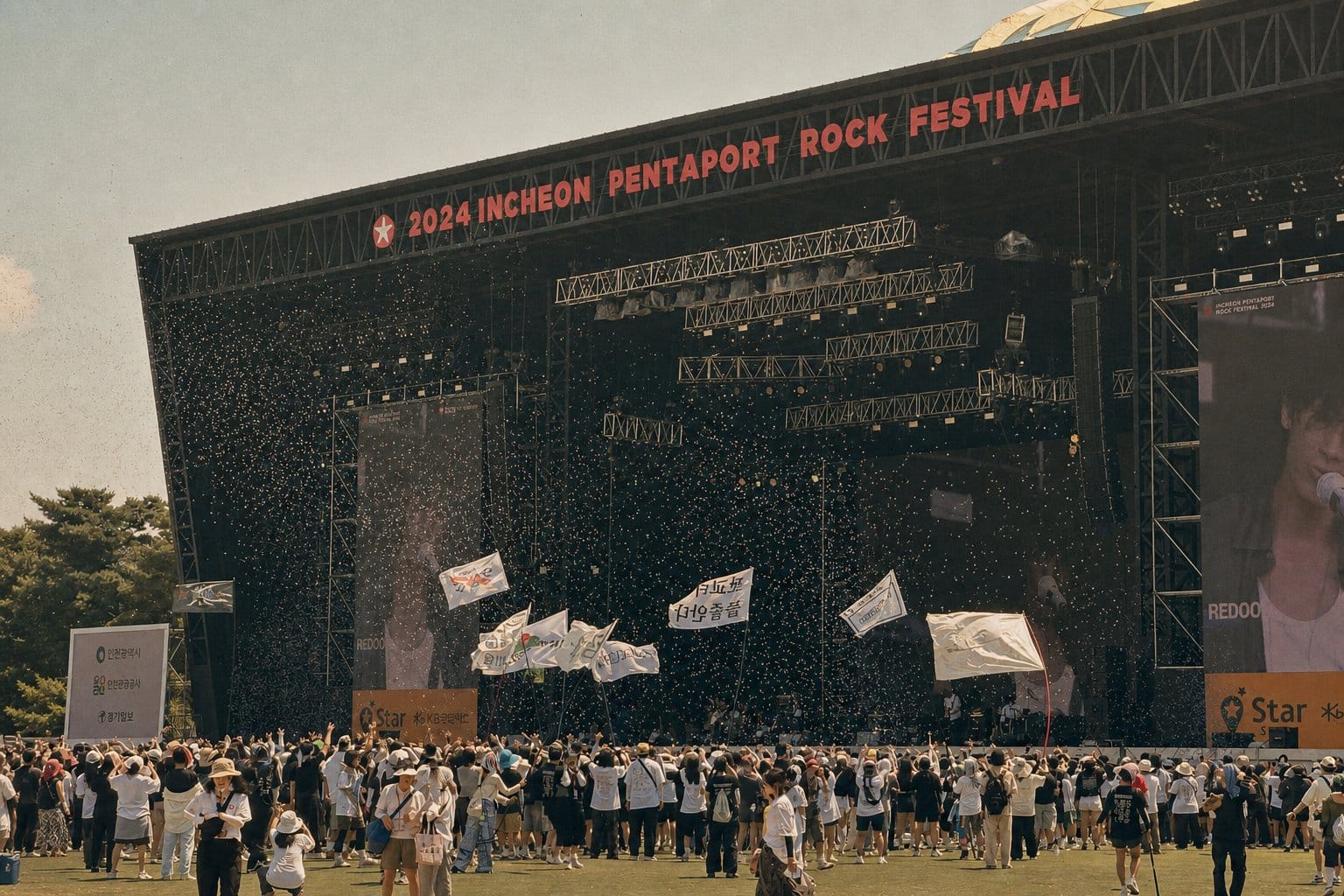
The 2026 Incheon Pentaport Rock Festival ran July 31–August 2 at Songdo Dalbit Festival Park in Yeonsu-gu, Incheon, drawing roughly 150,000 visitors across three days, and at least seven people were treated for heat illness over that stretch . Of those seven, six were attendees and one was a staff member, with cases logged on all three days that included heat syncope and heat cramps . The festival is one of Korea's largest outdoor rock events, and this year it ran straight into a nationwide heat wave.
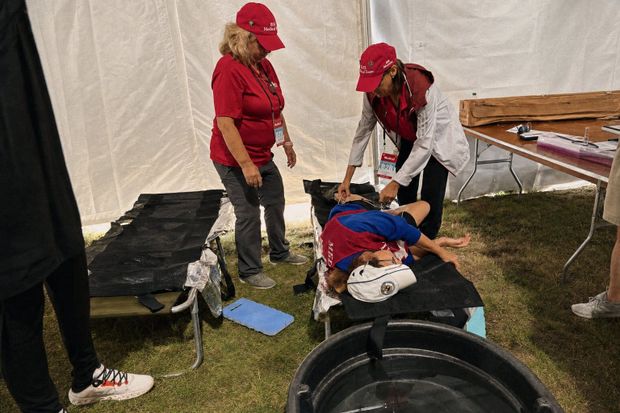
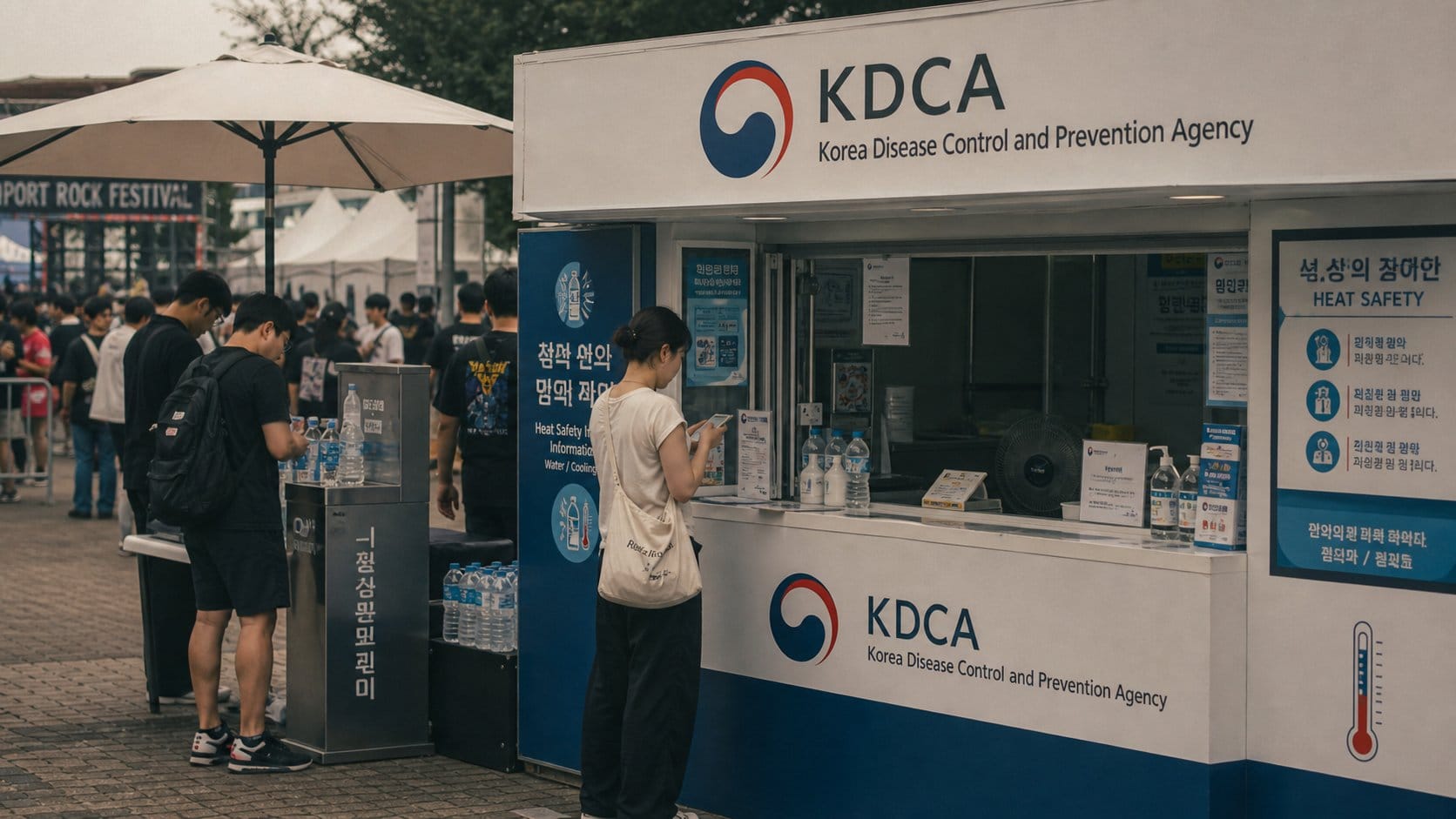
The most serious incident came on the final day. A man in his 20s collapsed around 6 p.m. on August 2 and was taken for treatment; he regained consciousness at the hospital . To manage the conditions, organizers ran a large "Cool Zone" where fans could shelter from the sun and still follow the performances through radio broadcasts played between sets . It was a working example of how an outdoor lineup now has to be built around the weather, not just the schedule.
Pentaport did not happen in isolation. Nationally, the Korea Disease Control and Prevention Agency (KDCA) recorded roughly 1,889 heat-related illness cases and 14 deaths since mid-May 2026 as of Sunday, August 2 — up from 1,781 cases and 13 deaths two days earlier . Against that backdrop, seven treated cases at a single festival read less like an outlier and more like the new baseline risk for any large outdoor event.
"Drink plenty of water and avoid outdoor activity wherever possible until the heat wave breaks," officials urged, framing the guidance that shaped every event decision that weekend (source: Korea JoongAng Daily).
The Record Behind the Heat: Korea's 42.5°C and a New Alert System
The Pentaport cases sat inside a nationally unprecedented heat event. On August 2, 2026, the southeastern city of Yangsan, in South Gyeongsang Province, reached 42.5°C (108.5°F) at 1:26 p.m. — the highest temperature ever officially recorded in Korea across 122 years of observation . It was also the fifth consecutive day the city had exceeded 40°C, and new national records were set on the Friday, Saturday and Sunday of the same weekend .
Korea overhauled its warning framework for 2026, and the system now leans on 'apparent' or feels-like temperature that factors in humidity rather than the raw thermometer reading. Introduced June 1, the ladder has three rungs:
- Advisory — apparent temperature of 33°C or higher for two or more days.
- Warning — apparent temperature of 35°C or higher for two or more days.
- Heat wave emergency warning (new top tier) — issued when a perceived temperature of 38°C or an actual temperature of 39°C is forecast .
That top tier stopped being theoretical on August 3, when the Korea Meteorological Administration issued its first-ever emergency heatwave warning for parts of Seoul and neighbouring Gyeonggi Province. The alert had never previously been triggered anywhere in the greater capital area . For festival planners and touring acts, that matters directly: the densest concentration of Korea's large outdoor venues sits in and around Seoul.
The response escalated at the national level too. The Central Disaster and Safety Countermeasures Headquarters raised the country's heat response to Level 2 at 1 p.m. on Sunday — only the second such activation since extreme heat was legally classified as a natural disaster in 2018 . Nearly 300 people were hospitalized over the record-breaking weekend alone . A possible reprieve was on the horizon from Typhoon Dolphin, whose track could bring showers and ease temperatures across southern regions , but until then the numbers set the baseline every organizer was planning against.
What Organizers Are Now Doing at Outdoor Venues
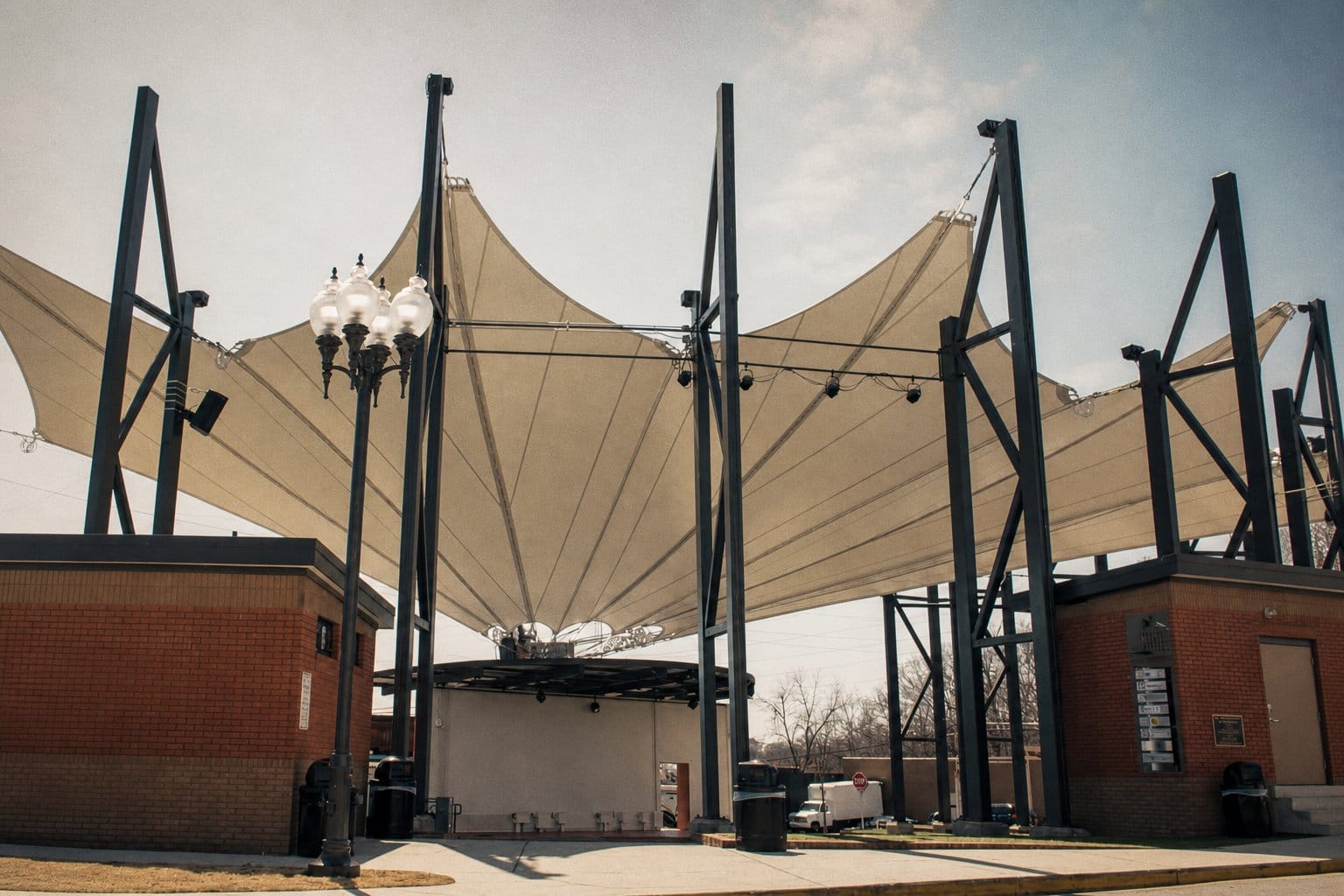
Organizers at outdoor venues are cutting direct sun exposure, moving programming out of peak heat hours, and building physical cooling infrastructure into festival grounds. At the 2026 Incheon Pentaport Rock Festival, that meant a large 'Cool Zone' where fans could shelter from direct sunlight and still follow the sets through radio broadcasts between acts . It is a template other events are now copying as the record heat forces the question of whether an outdoor show can run safely at all.source
Some organizers answered by not running at all. The Korea Baseball Organization cancelled games in Busan and Changwon rather than expose players and crowds to the afternoon peak . Where events did go ahead, the response fell into three practical patterns:
- Shift the clock. South Gyeongsang Province directed its cities to move outdoor event times away from peak heat hours .
- Build shade and airflow. Goseong County installed shade netting, large fans, and water coolers across its festival grounds .
- Set a temperature trigger. Miryang planned to modify its afternoon programming if daytime temperatures topped 36°C .
What separates 2026 from earlier summers is that these are no longer improvised calls made on the day. The temperature threshold at Miryang is the clearest example: a fixed number that decides in advance whether a stage stays lit through the afternoon. For fans planning to attend, that means a lineup's published set times can change on short notice when the forecast crosses a line, and the safest assumption is that afternoon slots are the most likely to move.
Officials' overarching message to residents and event-goers alike has stayed constant through the record stretch: drink plenty of water and avoid outdoor activity wherever possible until the heat wave breaks (source: Korea JoongAng Daily).
There is a concert-scale precedent for the most drastic option — moving the show entirely. During the 2023 World Scout Jamboree heatwave, a scheduled K-pop concert was postponed and relocated roughly 53 km to a stadium venue . That remains the clearest prior example of organizers treating heat as a reason to relocate rather than merely adjust, and it is the outcome this summer's temperature triggers are designed to reach before anyone collapses.
Before, During, and After the Set: Fan Safety That Actually Works
Fan safety at an outdoor K-pop show in this heat comes down to four habits: drink water constantly, pack light and smart, dodge the afternoon peak, and use the cooling refuges before you feel unwell. The Korea Tourism Organization's guidance is built for exactly these conditions , and it matters directly: at Incheon Pentaport (July 31–August 2), at least seven people were treated for heat illness across three days . Most of what follows is about not becoming the eighth.
Hydrate with water, not alcohol or caffeine. Sip continuously rather than waiting until you are thirsty, and prioritize plain water over beer or iced coffee, both of which speed dehydration . Carry a light bag that clears venue security, and pack it with intent:
- Sun protection — hat, sunscreen, and breathable, light-colored clothing.
- Any regular medications you take.
- A fully charged phone plus a battery pack, so you can reach help or read alerts at any point .
Avoid the 2 p.m.–5 p.m. peak. That window is when direct exposure is most dangerous, so schedule around it. Move merchandise shopping and fan-club queue time to the morning or evening, and rest indoors through midday rather than standing in line for hours . The Pentaport attendee in his 20s who collapsed did so around 6 p.m. on August 2 — heat stress accumulates through the day, so pacing your exposure early protects you later.
Move slowly through entry and exit. Dense crowds at the gates add crush pressure on top of heat stress, a combination that turns manageable fatigue into a medical problem quickly. Keep distance from people around you, walk rather than push, and follow staff directions at every chokepoint .
Use the Cool Zones — you won't miss the setlist. Whenever an alert is active, Seoul and host cities expand 24-hour cooling refuge centers, and festivals run on-site shelters . Pentaport's own large Cool Zone let fans shelter from the sun while following performances via radio broadcasts between sets . Stepping out of the pit to cool down is not the same as leaving the show — you can hear the stage and rejoin fresh.
When to Leave the Crowd: Symptoms, Thresholds, and Emergency Numbers
Leave the queue or the standing pit immediately if you feel dizziness, nausea, confusion, a severe headache, heavy weakness, a rapid pulse, or any clouding of consciousness. These are the warning signs the Korea Tourism Organization flags for outdoor events, and they mean your body is no longer coping with the heat . A body temperature above 40°C signals heatstroke — a medical emergency, not a moment to tough out for the encore — and needs an ambulance right away . The seven people treated at Pentaport on July 31–August 2 were mostly earlier-stage cases: heat syncope (fainting) and heat cramps, including a man in his 20s who collapsed around 6 p.m. on August 2 and regained consciousness at hospital .
Treat syncope and cramps as the last quiet warning before something worse. Move to shade or a Cool Zone, sit or lie down, drink water steadily, and rest fully before you rejoin a standing crowd — re-entering the pit while still lightheaded is how a faint becomes a fall in a packed floor. If symptoms don't ease within a few minutes, or if a friend is confused or won't wake fully, call for help rather than waiting.
Save these numbers before you arrive. If you don't speak Korean, say "English please" and interpreter support is added to the line .
| Number / Tool | Use it for |
|---|---|
| 119 | Emergency — ambulance, collapse, suspected heatstroke. Say "English please." |
| 1330 | 24-hour tourism helpline (multilingual) for directions and general help. |
| 1339 | Medical consultation line when you're unsure how serious symptoms are. |
| Emergency Ready App | Nearby shelter and cooling-center locations in about 22 languages. |
These four contacts come directly from Korea Tourism Organization heat guidance for this summer's alerts . The takeaway from a festival that pushed through 40°C-plus days is simple: the music will still be there after you cool down, and stepping out early on the first warning sign is what kept Pentaport's count at seven treated and zero deaths . Know the symptoms, keep 119 on your lock screen, and use the Cool Zones without hesitation — that is the difference between a hard day and a hospital trip.
Frequently asked questions
How many people were treated for heat illness at Pentaport Rock Festival 2026?
Seven people were treated for heat illness across the three-day 2026 Incheon Pentaport Rock Festival (July 31–August 2) at Songdo Dalbit Festival Park . That figure covered six attendees and one staff member, with conditions including heat syncope and heat cramps. A man in his 20s who collapsed on August 2 regained consciousness at hospital .
What is a Cool Zone at a Korean outdoor festival, and do you miss the performance?
A Cool Zone is a shaded or climate-controlled rest area organizers set up so fans can shelter from the heat during an event. You do not have to miss the set: at Pentaport 2026, audio from the stage was broadcast over radio inside the Cool Zone, letting fans recover between and during performances while still following the show . Seoul and host cities have also expanded 24-hour cooling refuge centers during alerts .
What should I do if someone collapses at an outdoor concert in Korea?
Call 119 immediately and say "English please" for an interpreter-assisted line . Move the person into shade, loosen tight clothing, and apply cool water to the skin. Do not give water to anyone who is unconscious, and stay with them until medics arrive. Tourists can also call the 1330 tourism help line or 1339 for medical consultation .
What is Korea's heatwave emergency warning, and when was it first used?
The heatwave emergency warning is the top tier of Korea's three-level heat alert system introduced on June 1, 2026, triggered when the perceived (feels-like) temperature is forecast to reach ≥38°C or the actual temperature ≥39°C . The Korea Meteorological Administration issued it for the first time ever in the Seoul and Gyeonggi area on August 3, 2026 — the alert had never previously been triggered anywhere in the greater Seoul region .
Have any K-pop concerts or outdoor events been cancelled or moved due to Korea's 2026 heat?
Pentaport ran to completion with safety measures rather than cancelling, but other events were disrupted. The Korea Baseball Organization cancelled games in Busan and Changwon, and regional summer festivals shifted programming to avoid peak heat . The clearest K-pop precedent came during the 2023 World Scout Jamboree heatwave, when a scheduled concert was postponed and relocated about 53 km to a stadium .
Enjoyed this article? Subscribe to get new stories by email whenever they're published.
This article was written using information collected and analyzed by NAMANE's in-house K-pop research AI engine. We use AI technology to bring you faster, broader coverage, and in the process some details may occasionally differ from the latest facts. For important information such as dates, venues, and prices, please double-check with official sources.


