
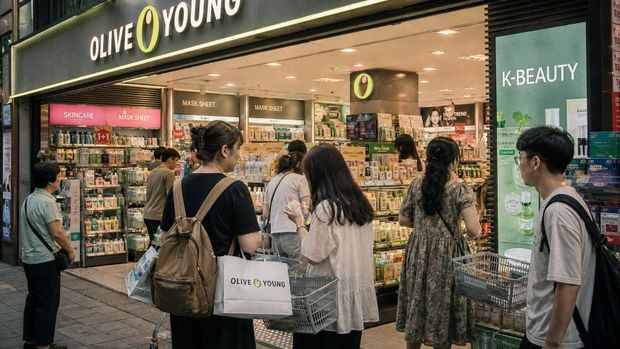
For Chinese shoppers heading to Seoul this summer, the math has quietly changed in their favor — and the receipts show it. A cheaper won has turned a beauty-and-luxury trip into one of the region's better-value shopping runs of 2026.
What the Won's Slide Actually Means for Your Seoul Shopping Budget
The short version: your yuan simply buys more won than it did at the start of the year. One Chinese yuan averaged about 226 won in June 2026, up from 209 won in January 2026 — roughly an 8 percent gain in purchasing power in under six months . On a single luxury purchase or a full cart of K-beauty, that swing is enough to reshape a trip's budget before any tax refund or in-store discount is applied.source
The exchange-rate shift is showing up directly in arrivals. Korea welcomed roughly 1.95 million international tourists in May 2026, of whom 563,000 came from China — up from 484,390 a year earlier, according to the Korea Tourism Organization . The Korea Culture and Tourism Institute noted in its June outlook that the weaker won has improved Korea's price competitiveness and overseas visitors' purchasing power .source
Spending has climbed even faster than visitor numbers. Foreign visitors' credit card spending crossed 2 trillion won for the first time ever in May 2026, reaching a record 2.1222 trillion won — up 67.1 percent year-on-year and the fastest growth rate since 2023 . Chinese visitors were the clearest driver: their card spending surged 214 percent year-on-year in May and has risen every single month of 2026 .source
Still, the currency is not the whole story — a point worth keeping in mind if you're planning around exchange rates alone. A J.P. Morgan economist framed it plainly:
"The weaker won contributed to some degree, but non-economic factors — especially the popularity of K-beauty and K-culture — equally drove the recovery," a J.P. Morgan economist told the South China Morning Post (source: SCMP).
For a summer 2026 trip, that combination — a favorable exchange rate stacked on top of genuine demand for Korean beauty and lifestyle products — is what makes the budgeting worth mapping out carefully. The sections ahead break down where that money is actually going, from pharmacy skincare hauls to Cheongdam watch counters, and how much travelers are really saving against China prices.
The K-Beauty Pharmacy Boom: Why Dermatology Clinics Are Part of the Shopping Route
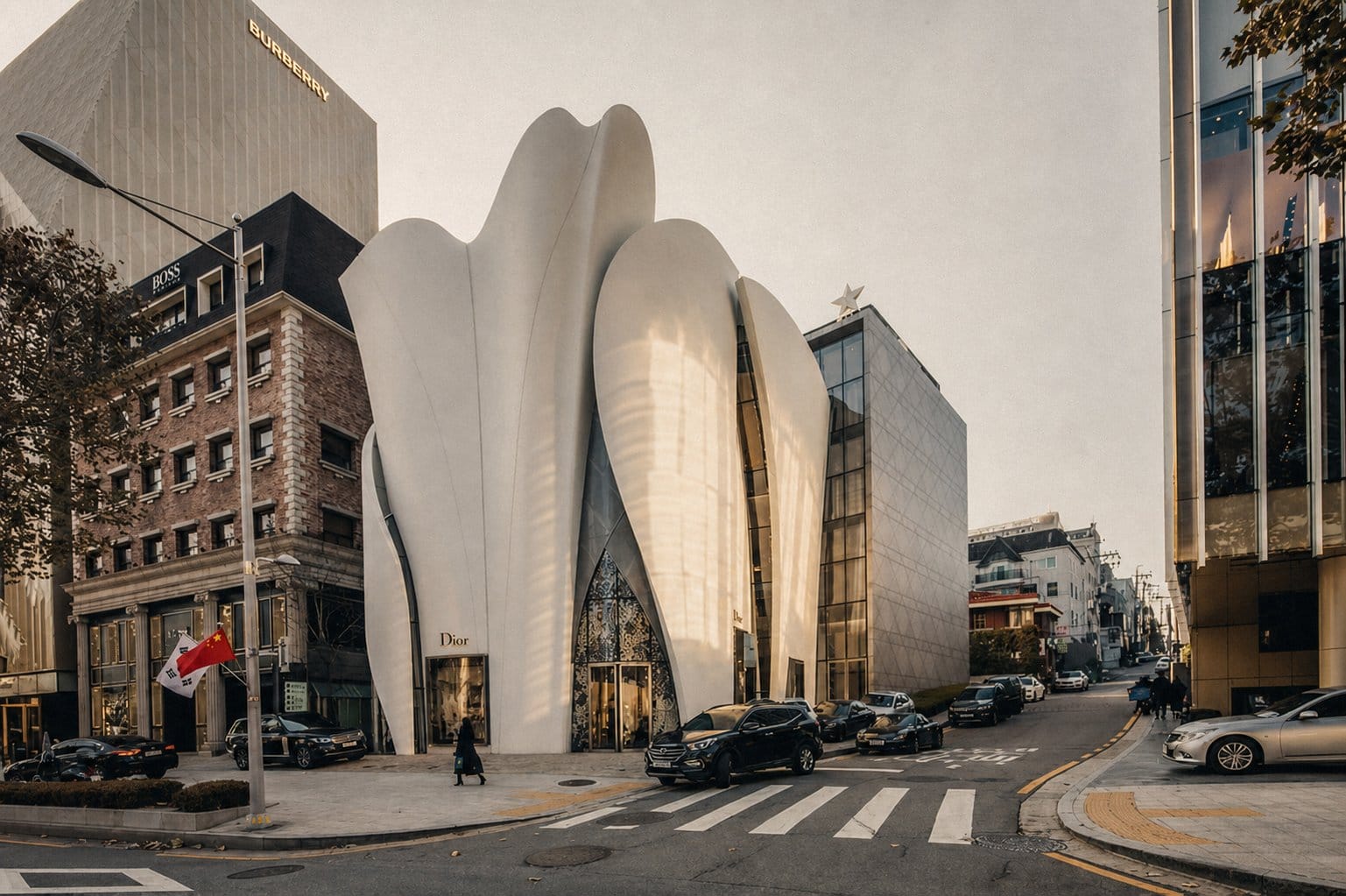
Pharmacies were the single fastest-growing spending category for foreign card users in Seoul in May 2026, with spending up 206.1 percent year-on-year . That is not tourists stocking up on painkillers. It reflects a specific shopping route Chinese visitors have built: book a Seoul dermatology clinic appointment, receive a treatment or consultation, then buy the prescribed medical-grade skincare at a pharmacy nearby. The pipeline connecting clinic and pharmacy barely exists in China, which is part of why the category is growing this fast.
The clinic-to-counter loop shows up across the data. Skin care and massage spending rose 153.9 percent in May 2026 , tracking the same wave of visitors who pair a dermatology visit with a product haul. According to Asiae, this is a distinct pattern in which travelers see a dermatologist and then purchase medical-grade cosmetics on the spot — the treatment validates the product, and the pharmacy makes the sale.
Seongsu-dong is where the shift is most visible. Premium pharmacies in the district recorded year-on-year growth figures of 15,249 percent and 2,877 percent . Those numbers come off very small bases, so they overstate the absolute money involved — but they accurately capture how quickly foot traffic and spending have moved into Seongsu's new beauty-retail strip, a neighborhood that was industrial warehouses a few years ago and now anchors much of the city's lifestyle-shopping story.
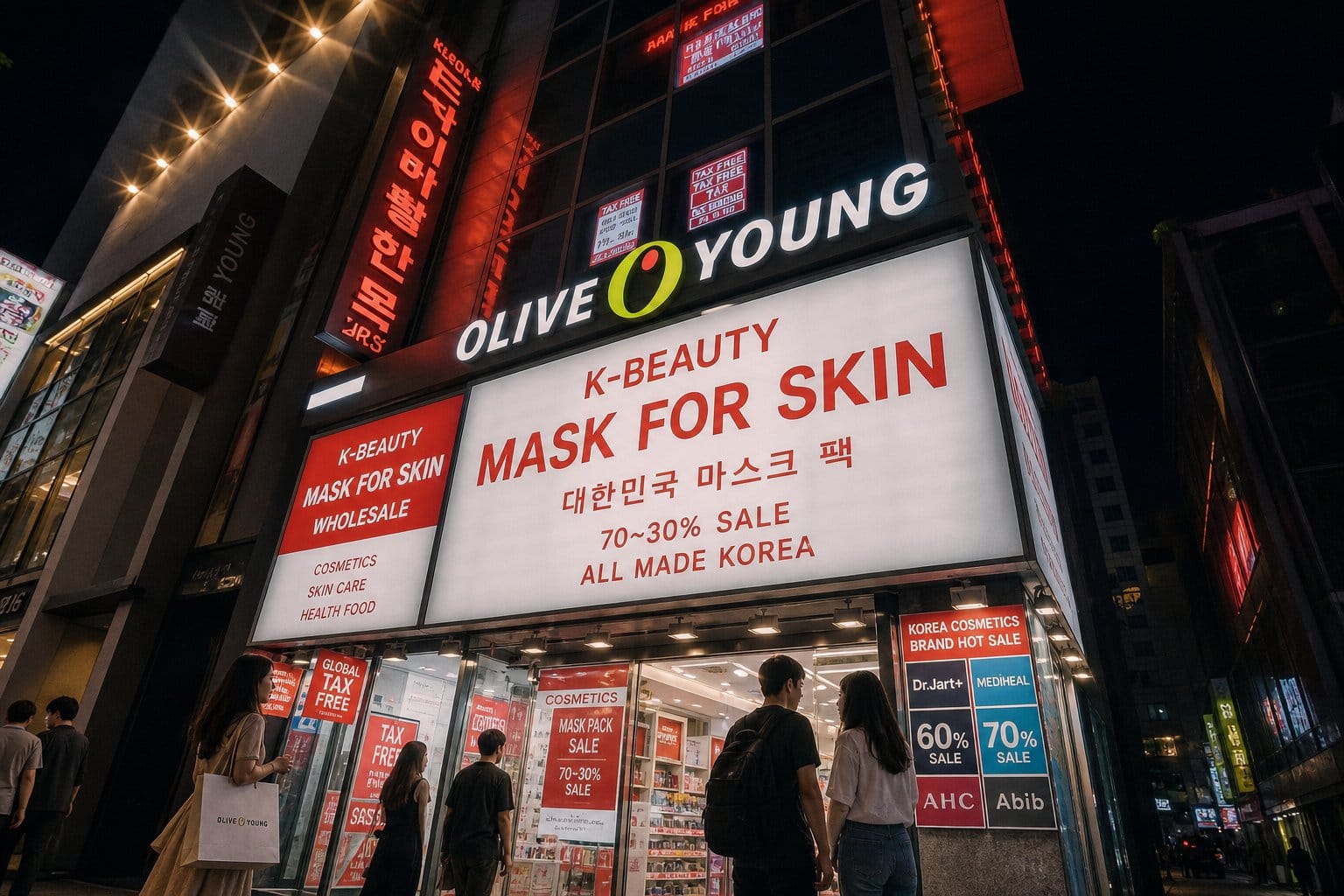
The retail side of K-beauty is scaling in parallel. At CJ Olive Young, the health-and-beauty chain that functions as a bellwether for the sector, repeat overseas shopper visits have doubled annually since 2023, and 6,200 foreign shoppers visited three or more times during a single discount-event cycle last year , according to SCMP. Repeat visits during a promotion window signal buyers who are stocking up deliberately, not browsing.
Zoom out to the full category and the trend is unambiguous: K-beauty and cosmetics was Korea's fastest-growing inbound shopping category in the first quarter of 2026, up 131 percent year-on-year in foreign-customer sales . For a summer visitor, the practical takeaway is that the pharmacy is no longer an afterthought stop — for many Chinese shoppers it is a planned destination, often booked alongside a clinic appointment before the trip even starts.
Cheongdam, Seongsu, and Seoul's Luxury Belt: Prices and What Travelers Actually Pay
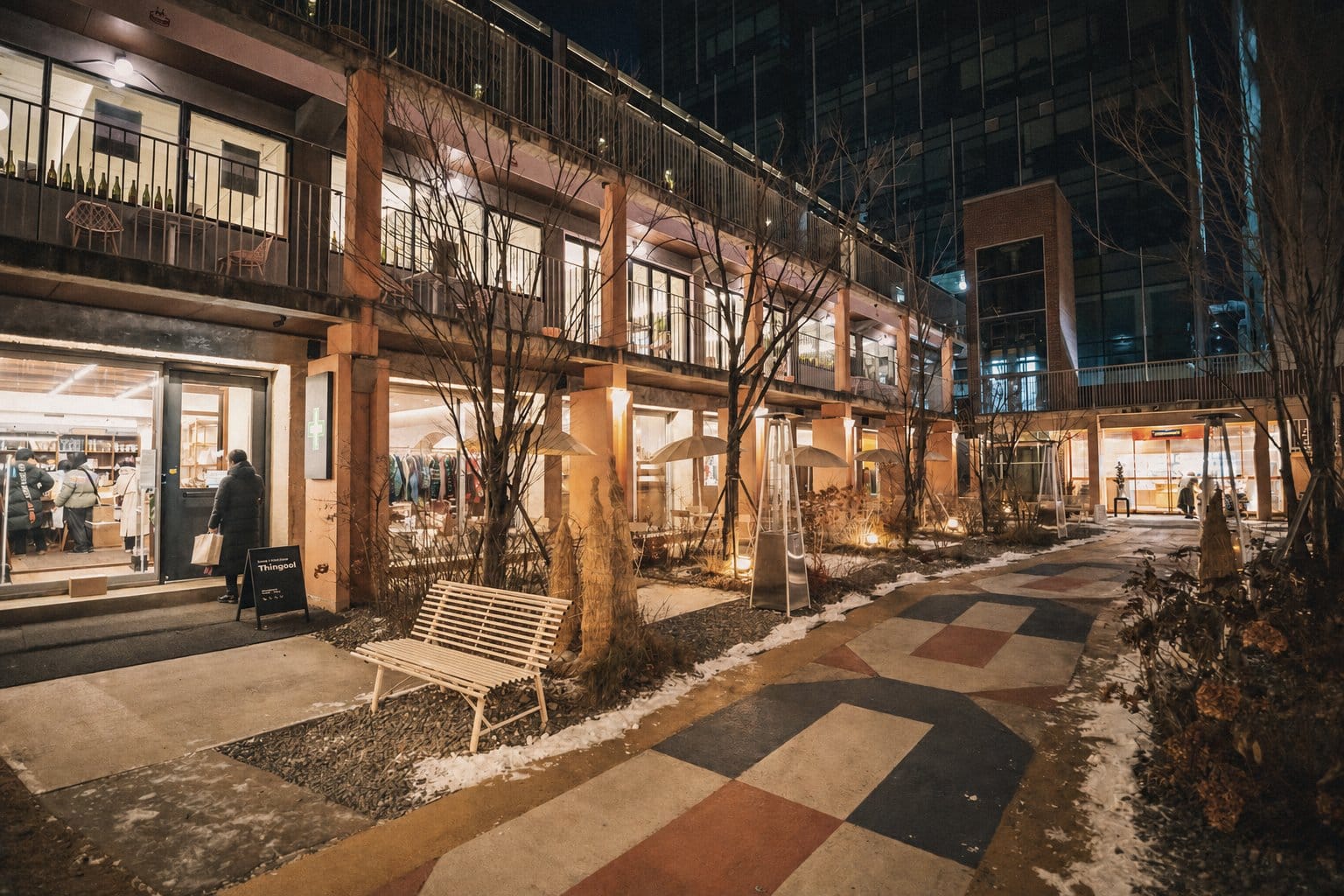
Seoul's high-spending shopping map divides cleanly into three zones: Cheongdam-dong for watches and jewelry, Seongsu-dong for fashion and premium pharmacies, and Jeju's resort belt for accessories and condominium-tier luxury. In Cheongdam-dong, watch and jewelry sales climbed 135 percent year-on-year, accessories rose 198 percent, and the average luxury transaction reached about 12.15 million won (~$7,900) . That figure sets the ceiling for what "luxury shopping" in Seoul now means in practice.source
Individual purchases show why the numbers run so high. Wu, a 28-year-old white-collar shopper, bought a Chaumet wedding ring at Lotte Duty Free in Myeong-dong for roughly 37,000 yuan (~$5,456) after discounts, tax refunds, and favorable exchange rates — about 11,000 yuan cheaper than the identical ring in China . The category-level data mirrors that behavior: Chinese tourists spent an average of 6.32 million won on accessories alone, against a 530,000-won average across all spending categories .
📍 View Lotte Duty Free Myeong-dong on Google Maps
Seongsu-dong tells a fashion-forward story rather than a hard-luxury one. Apparel spending there rose 141.9 percent, while nearby Myeong-dong saw customized Nike By You sales grow 162 percent — evidence that personalization and streetwear now sit alongside the district's fast-growing premium pharmacies . Beyond Seoul, Jeju's Seogwipo area recorded a 589 percent jump in accessory sales, and luxury resort and condominium consumption in Dae-ryun-dong rose 193.1 percent, extending the high-spend pattern to the island's resort belt .
The Korea Tourism Organization noted that Chinese tourists dominated ultra-luxury shopping, lifting sales of watches, jewelry and accessories in particular . For a visitor deciding where to spend limited hours, the districts sort by ticket size and product type:
| District | Specialty | Standout 2026 growth |
|---|---|---|
| Cheongdam-dong | Watches, jewelry, high-ticket luxury | Watches/jewelry +135%; accessories +198%; ~₩12.15M avg. transaction source |
| Seongsu-dong | Fashion, customization, premium pharmacies | Apparel +141.9%; premium pharmacies up sharply off small bases |
| Myeong-dong | Duty-free, personalized apparel | Nike By You customization +162% |
| Jeju (Seogwipo) | Accessories, resort-tier luxury | Accessories +589%; resort/condo consumption +193.1% |
The takeaway for a summer 2026 itinerary is that each district carries a different price band. Cheongdam is where the seven-thousand-dollar transactions happen; Seongsu blends mid-tier fashion with the pharmacy boom; and Jeju rewards accessory buyers and resort stays. Matching your budget to the right zone — rather than treating all of Seoul as one shopping floor — is what separates a focused trip from an expensive detour.
What's Worth Buying — Category by Category Savings vs. China Prices
The largest absolute savings sit in luxury accessories and watches, where three discounts stack on the same purchase: a favorable exchange rate, an on-site tax refund, and a duty-free markdown. One shopper named Wu bought a Chaumet wedding ring at Lotte Duty Free in Myeong-dong for about 37,000 yuan after discounts, refunds and exchange rates — roughly 11,000 yuan, or around 23 percent, cheaper than in China . That stacking effect is why Chinese visitors led ultra-luxury spending, driving sales of watches, jewelry and accessories .source
Medical-grade pharmacy skincare is the category with no real Chinese equivalent. There is no comparable duty-free channel for the medical-grade products dispensed after a dermatology visit, Seoul pharmacy prices already run lower, and frequent discount events cut the cost again — a pattern reflected in the 206.1 percent jump in pharmacy spending in May 2026 .source
Fashion and sportswear deliver steadier, smaller savings. Chelsea Wang saved at least 500 yuan (about $70) on a branded backpack versus China prices during a 3.5-day trip in late April 2026 . Customizable sportswear adds a draw with no China counterpart: in Myeong-dong, made-to-order Nike By You sales grew 162 percent .
The channel mix itself is telling. Department store spending rose 89.2 percent and duty-free rose 87.6 percent in May 2026, yet pharmacies outpaced both . The gap marks a shift from souvenir buying toward lifestyle consumption — beauty treatments, dermatology and everyday retail rather than one-off gifts .
For fans, the fastest-moving non-beauty category is character and licensed merchandise. Toys and amusement devices rose 191.4 percent year-on-year in May 2026, with K-IP character goods and licensed artist merchandise priced materially lower in Korea than through imports or Chinese resale platforms . The practical rule holds across every category: match what you buy to where the savings actually stack.
Payment, Tax Refunds, and Timing: Getting the Most Out of a Seoul Shopping Trip
The biggest savings come not from any single trick but from stacking three levers: the favorable exchange rate, immediate tax refunds, and store-level discounts. With one yuan averaging about 226 won in June 2026, versus 209 won in January , the currency floor already does part of the work. Adding a point-of-sale tax refund and a seasonal sale on top is what turned a Chaumet ring at Lotte Duty Free in Myeong-dong into a purchase roughly 11,000 yuan cheaper than in China .
Request your refund at the point of sale wherever possible. Major duty-free stores and select department stores run immediate tax-refund desks, so you avoid the airport queue and get the deduction applied on the spot. For beauty runs, time visits to a discount window: CJ Olive Young, the K-beauty bellwether, holds multiple annual sale events — the same events that drew 6,200 foreign shoppers back three or more times last year, with repeat overseas visits doubling annually since 2023 .
Getting between districts is simpler than it looks. A prepaid, rechargeable transit and payment card lets foreign visitors tap through Seoul's subway and bus network to reach Seongsu, Cheongdam, and Myeong-dong without cash exchange — useful given how much of the current spending surge has shifted toward lifestyle retail rather than airport duty-free .
Timing matters most for the parts of the trip you can't rush. Because dermatology clinics are now part of the shopping route — the pharmacy category alone grew 206.1 percent year-on-year in May 2026 — slots fill quickly in peak summer. Book clinic appointments two to three weeks ahead for July or August 2026 visits. Weekday mornings bring the shortest queues at both clinics and premium pharmacies, while Seongsu and Cheongdam weekend afternoons hit peak congestion.
The takeaway is the same discipline that runs through every district and category here: plan the sequence, not just the shopping list. Line up the exchange rate, the refund method, the sale calendar, and your clinic booking before you land, and Seoul's retail belt rewards the visitor who arrives ready over the one who improvises.
Frequently asked questions
Why is Seoul shopping cheaper for Chinese tourists in 2026?
The main driver is currency. One Chinese yuan averaged about 226 won in June 2026, up from 209 won in January 2026, which directly raised Chinese visitors' purchasing power on the same price tags . On top of that, Korea's tax-refund system lets foreign shoppers reclaim VAT on eligible purchases, so the exchange-rate gain and the refund stack together for compounded savings. The Korea Culture and Tourism Institute noted in its June outlook that the weaker won has improved Korea's price competitiveness for overseas visitors .
Which Seoul districts are best for K-beauty pharmacy shopping?
Seongsu-dong is the standout for premium pharmacies, where the dermatology-to-pharmacy pipeline — visitors book a clinic treatment, then buy medical-grade skincare — drove reported growth of 15,249 percent and 2,877 percent off small bases in Seongsu 2(i)-ga 1-dong . For everyday K-beauty, CJ Olive Young stores across the city are the retail bellwether, with repeat overseas shopper visits doubling annually since 2023 . Cheongdam-dong suits shoppers pairing luxury skincare with post-treatment clinic visits.
How much can you realistically save on luxury goods in Seoul compared to China?
At the high end, savings can reach roughly 23 percent. Wu, a 28-year-old shopper, bought a Chaumet wedding ring at Lotte Duty Free in Myeong-dong for about 37,000 yuan (~$5,456) after discounts, tax refunds and favorable exchange rates — roughly 11,000 yuan cheaper than in China . That is the top of the range and applies mainly to high-value jewelry and watches. Fashion savings are smaller but consistent: another traveler, Chelsea Wang, saved at least 500 yuan (~$70) on a backpack versus China prices .
Is Korean duty-free still worth it in 2026, or are pharmacies better value?
Both work, but for different shoppers. Duty-free sales grew 87.6 percent year-on-year in May 2026, while pharmacies grew 206.1 percent — a much faster pace off a smaller base . Duty-free wins for absolute savings on luxury accessories and watches, where Chinese tourists spent an average of 6.32 million won on accessories against a 530,000-won overall average . Pharmacies win for skincare and medical-grade products that have no equivalent retail channel in China.
What payment methods work best for foreign visitors shopping in Seoul?
Chinese visitors can use Alipay and WeChat Pay at major department stores, K-beauty retailers and convenience stores, which simplifies everyday spending. A credit card is useful where tax-refund eligibility requires a traceable payment, and foreign visitors' credit card spending itself hit a record 2.1222 trillion won in May 2026, up 67.1 percent year-on-year . Prepaid, rechargeable transit cards help you move efficiently between Myeong-dong, Seongsu and Cheongdam. Note that some of the deepest discount events are Korean-card-only, so factor that into where you expect the lowest prices.
This article was written using information collected and analyzed by NAMANE's in-house K-pop research AI engine. We use AI technology to bring you faster, broader coverage, and in the process some details may occasionally differ from the latest facts. For important information such as dates, venues, and prices, please double-check with official sources.


