
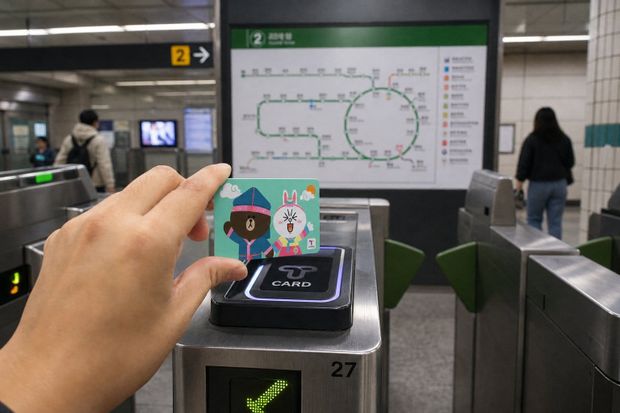
Seoul Subway 2026: Network, Lines, and Key Fan Venues
Seoul's subway is one of Asia's most comprehensive urban transit networks — a system of 20+ color-coded lines serving 700+ stations across the greater metropolitan area. Every platform and every train car displays bilingual Korean and English signage, making independent navigation straightforward for first-time visitors. Free Wi-Fi operates on all trains, every car is fully air-conditioned, and major interchange stations are equipped with elevators and accessible facilities throughout. For K-POP fans planning concert trips, the network connects directly to Seoul's biggest live venues — COEX Arena, KSPO Dome, KINTEX, and Yeouido — with no taxi required from most central hotels. Last trains depart approximately midnight across most lines; check the platform departure boards on the night of your event for the final service time in your specific direction, as cut-off times vary by line and terminus. Trains run from approximately 5:30 AM to midnight with two-to-three-minute headways during peak hours.
Quick Answer: Seoul Subway spans 20+ lines and 700+ stations with bilingual signage, free Wi-Fi, and full air-conditioning. A single adult card ride costs ₩1,550 (effective June 28, 2025). The 7-day Climate Card (₩20,000) is the lowest-cost option for visitors taking 4+ rides per day. Last trains run around midnight.
Line 2 — the green circular loop — is the single most useful line for K-POP fans and tourists in Seoul. It connects Hongdae (live music clubs and entertainment), Sinchon, Ewha, City Hall, Gangnam, COEX, and Jamsil (Lotte World Arena and the SM Entertainment district) in one unbroken circuit. For major concert and event venues, the key station connections are:
- COEX Arena / SM Atrium (Gangnam) — Samseong station, Line 2 or Line 9
- KSPO Dome (Olympic Park) — Bangi station or Ogeum station, Line 5
- KINTEX (Goyang, Gyeonggi) — Daehwa station, Line 3 terminus (distance surcharge applies from central Seoul)
- Yeouido (KBS Arena, IFC Seoul) — Yeouido station, Line 5 or Line 9
📍 서울특별시 중구 소공동 세종대로18길 2
⭐ 4.3 (1,537 리뷰)
🔗 Google Maps에서 보기
📍 View KSPO Dome (Olympic Park) on Google Maps
📍 View KBS Arena (Yeouido) on Google Maps
Seoul Station (Lines 1, 4, AREX, KTX) serves as the main gateway for airport connections and inter-city travel. Jongno 3-ga (Lines 1, 3, 5) puts you walking distance from Gyeongbokgung Palace and Insadong. Dongdaemun History & Culture Park (Lines 2, 4, 5) anchors the DDP design district and Dongdaemun shopping area. The three-digit station numbering system — first digit equals line number — is the fastest orientation tool inside large interchange hubs. For navigation, install Naver Map or KakaoMap before landing: both offer real-time arrivals, exit recommendations, and an English interface. Google Maps does not provide transit or walking directions in South Korea due to national mapping regulations — a Korean nav app is essential, not optional.
2026 Fare Breakdown: What Each Ride Actually Costs
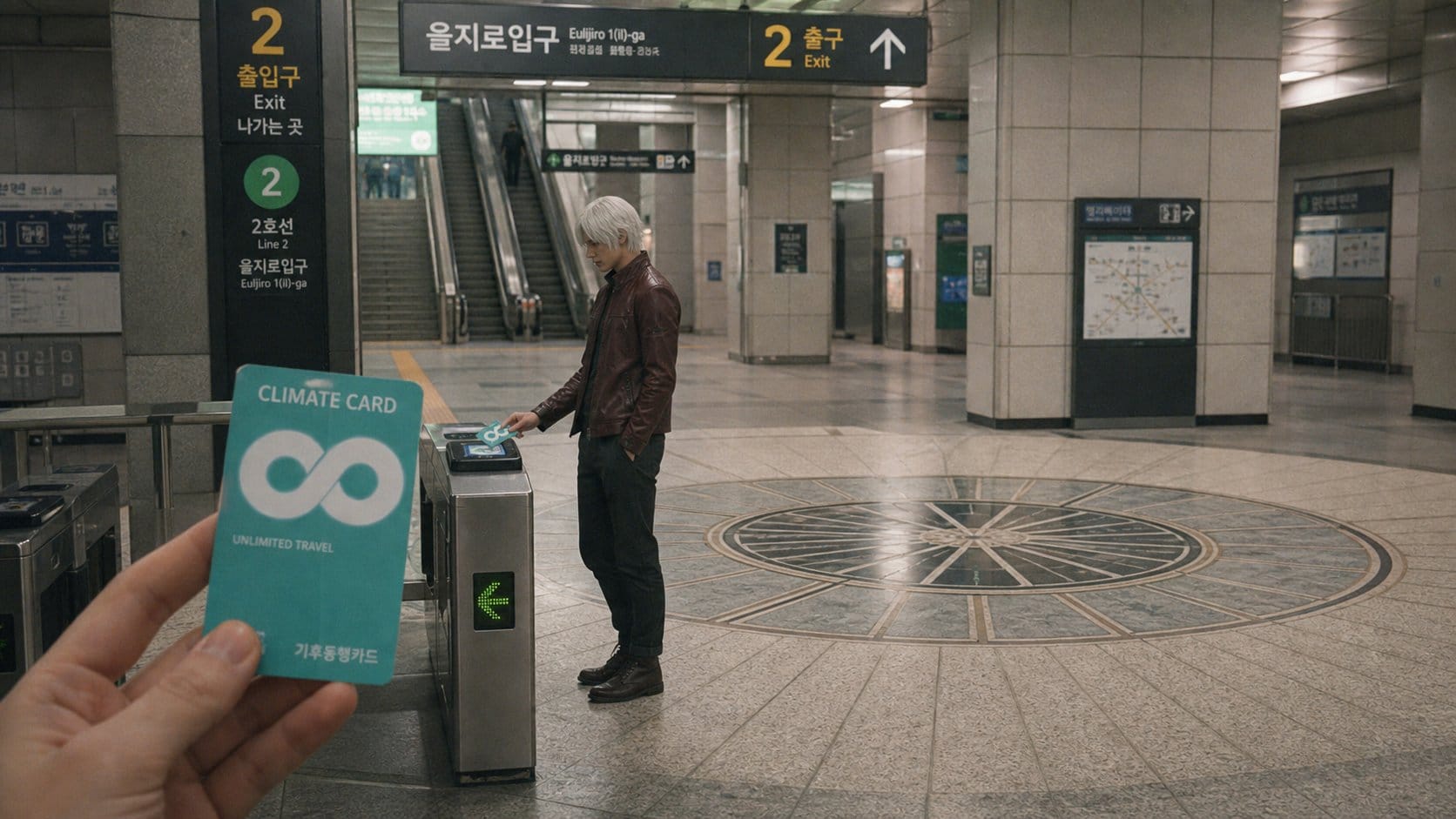
Seoul subway fares are distance-based and charged per journey using either a stored-value transit card or a single-use paper ticket. The adult card fare is ₩1,550 for the base distance (up to 10 km), a figure that became effective on June 28, 2025. This was the second and final ₩150 installment of a planned ₩300 phased increase — the first installment of ₩150 was applied in October 2023. No further fare hike is scheduled as of the current policy. For most central Seoul trips between tourist districts and concert venues — Hongdae to Gangnam, Myeongdong to Jamsil — the base fare covers the full journey with no surcharge.
| Passenger Type | Transit Card Fare (Base ≤10 km) | Single-Use Paper Ticket | Early-Bird Discount (Before 6:30 AM) |
|---|---|---|---|
| Adult (19+) | ₩1,550 | ₩1,500 + ₩500 refundable deposit | ₩1,240 |
| Teen (13–18) | ₩900 | — | — |
| Child (6–12) | ₩550 | — | — |
| Infant (0–5) | Free | — | — |
Single-use paper tickets cost ₩1,500 for the base distance, plus a ₩500 refundable deposit recovered at exit ticket machines before you leave the station. Paper tickets are not eligible for transfer discounts between subway and bus — meaning each leg of a multi-transit journey costs full base fare again. For any visitor making more than one connection per outing, a T-money card pays back its ₩3,000 cost within the first day of multi-leg travel.
Distance surcharges apply once a journey exceeds the 10 km base threshold: approximately ₩100 per additional 5 km up to 50 km, then ₩100 per additional 10 km beyond that. For outer-city venue trips this matters: the ride from central Gangnam to KINTEX (Daehwa, Line 3 terminus in Goyang) spans roughly 30 km, adding ₩100–₩200 each direction to your base fare. Budget accordingly for KINTEX events.
The early-bird discount reduces the adult card fare from ₩1,550 to ₩1,240 for journeys that begin before 6:30 AM. In practical terms this is most relevant to travelers catching very early flights from Incheon or Gimpo Airport rather than standard fan event itineraries. AREX trains begin running from Incheon Airport at 5:20 AM, making the early-bird window accessible for travelers in airport hotels.
T-money Card: How to Buy, Load, and Use It
T-money is South Korea's universal stored-value transit card — the default and most versatile option for visitors, accepted on virtually every form of public transit in every Korean city. The physical card costs ₩3,000 and is available at GS25, CU, 7-Eleven, and Emart24 convenience stores nationwide, as well as at vending machines inside subway stations. No registration or identification is required. Pick one up at the airport convenience store immediately after clearing customs, load ₩20,000–₩30,000 at the counter, and you are ready to transit before you reach the arrivals exit.
Reloading is straightforward at any convenience store counter or subway station vending machine — add funds in ₩1,000 increments, cash or card accepted. The maximum balance is ₩500,000. Unused balance is fully refundable: return the card to a T-money service center or subway station customer desk before departure to receive your remaining balance minus a small processing fee (₩500 if the balance exceeds ₩20,000) plus the ₩3,000 card cost.
Mobile wallet options eliminate the physical card entirely. NFC-enabled iPhones running iOS 16 or later support Apple Pay T-money — configured inside the Wallet app, which can be set up either before or after arrival in Korea. Samsung Galaxy devices support T-money through Samsung Pay. Both allow tap-in and tap-out at subway fare gates and bus readers using only your phone. One caveat that catches travelers off guard: not all foreign-issued bank accounts and debit cards are compatible with loading T-money into these mobile wallets — compatibility varies by issuing bank and country. Verify before you travel. The physical card remains the reliable fallback that works without exception.
T-money's nationwide reach is a key advantage over Seoul-only passes. It is accepted on Busan Metro, Jeju buses, Daegu Metro, Gwangju buses, and most urban transit networks across South Korea, as well as on standard taxis and at select convenience store purchases nationwide. Visitors combining a Seoul stay with regional travel — a concert in Busan, a temple visit in Gyeongju, a day trip to Jeju — can use the same card for the full itinerary. The Climate Card, by contrast, is Seoul transit only.
Climate Card: Seoul's Unlimited Transit Pass — Options, Coverage, and Exclusions
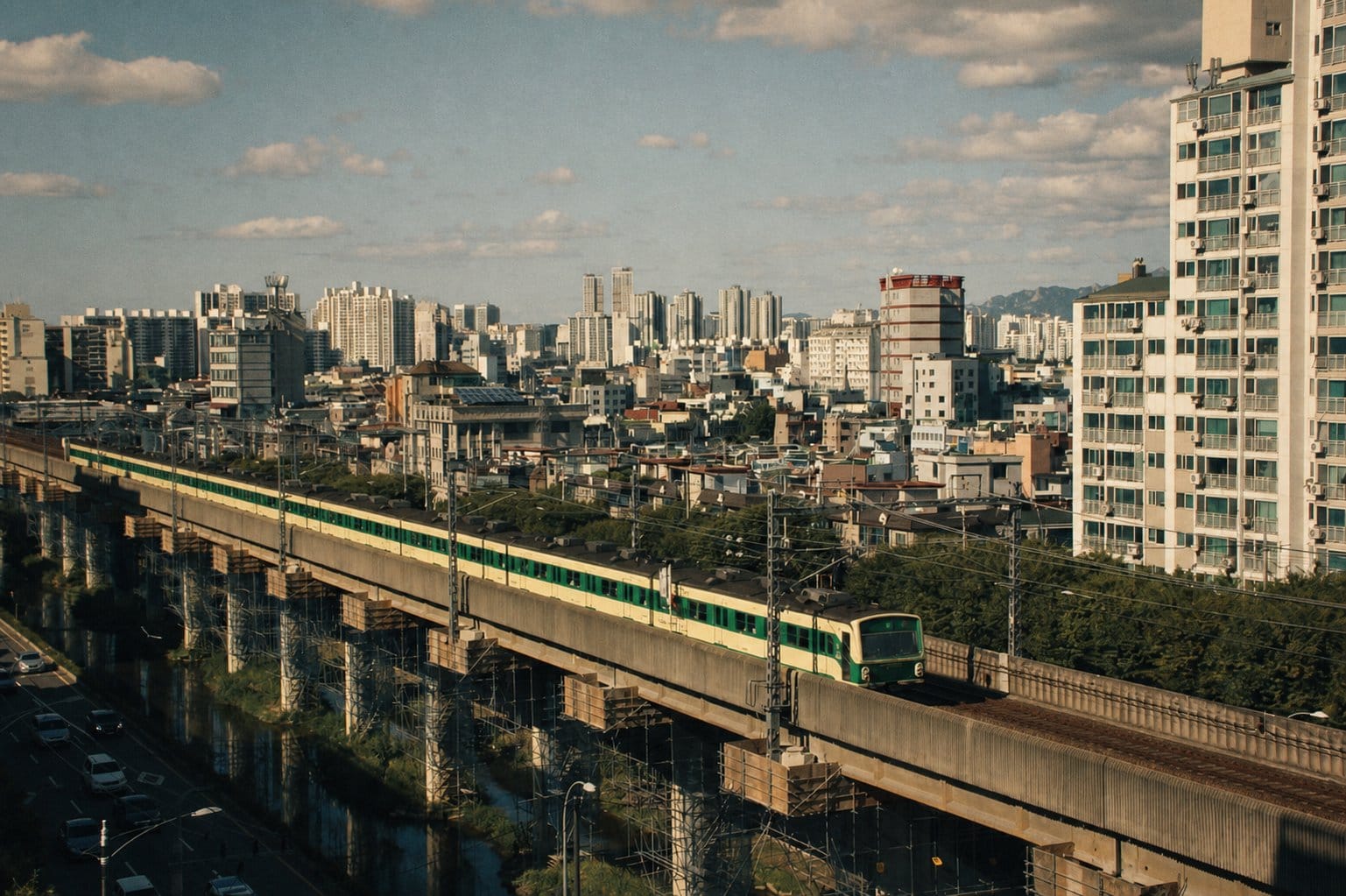
The Climate Card is Seoul's fixed-price unlimited transit pass for daily visitors — launched on January 27, 2024 by the Seoul Metropolitan Government as part of its green urban mobility program. Short-term visitor passes are available in five durations: 1-day (₩5,000), 2-day (₩8,000), 3-day (₩10,000), 5-day (₩15,000), and 7-day (₩20,000). Since March 2025, international credit and debit cards are accepted at purchase points, removing the previous cash-only barrier that blocked many foreign visitors from accessing the pass. The physical card carries a one-time ₩3,000 fee on top of the pass price.
"The Climate Card was introduced to make public transportation the most convenient and economical choice for daily travel within Seoul — reducing private vehicle use while giving residents and visitors seamless access to every transit mode the city operates." — Seoul Metropolitan Government, Official Climate Card Policy
Coverage is extensive across Seoul's network. The Climate Card is valid on Seoul Metro Lines 1–9, Ui-Sinseol Line, Sillim Line, Gyeongui-Jungang Line, Suin-Bundang Line, Gimpo Goldline, Seohae Line, and Gyeonggang Line. It also covers all Seoul-licensed city buses and village buses, Ttareungi public bike-share rides, and the Hangang River Bus service — making it genuinely comprehensive for travelers staying within Seoul.
What the Climate Card does not cover requires equal attention. The pass is not valid on the AREX express service connecting Incheon Airport to Seoul Station — it covers the AREX all-stop local service only. The Sinbundang Line (running south through Gangnam toward Suwon), intercity buses, and KTX/SRT high-speed trains are also excluded, as are non-Seoul-licensed bus routes in neighboring Gyeonggi Province. If your itinerary includes an AREX express airport transfer or a day trip to Suwon via Sinbundang, budget those legs separately — the Climate Card provides no discount on them.
The most common activation mistake: validity begins on the date the pass duration is charged to the card — not the date of your first tap through a fare gate. Charging a 3-day pass the night before you start traveling burns the first night as Day 1. The practical fix: buy the physical card at any GS25, CU, 7-Eleven, Emart24, or subway vending machine at your convenience, but wait to charge (activate) the pass duration until the morning you actually plan to begin traveling. You may designate a start date within 5 days of purchase, giving you flexibility to buy in advance without activating immediately.
MPASS, WOWPASS, and Other Foreigner-Only Alternatives
MPASS and WOWPASS are transit cards sold exclusively to foreign visitors — each solving a distinct problem, each with trade-offs that make one or the other the correct call in specific situations. MPASS is the simpler option: a T-money-based unlimited-ride card sold at T-money Town, the official T-money service center located near Seoul Station, payable in cash only. It comes in three durations: 1-day (₩15,000), 3-day (₩30,500), and 7-day (₩64,500). Usage is capped at 20 rides per day. A ₩3,000 discount applies if purchased after 5 PM.
📍 View T-money Town near Seoul Station on Google Maps
MPASS coverage includes Seoul Metro lines, city buses, and select AREX local stops — broadly similar to the Climate Card in scope but significantly more expensive for the same duration. The 7-day MPASS at ₩64,500 costs more than three times the 7-day Climate Card (₩20,000). Its value case is narrow: MPASS suits travelers who cannot use international debit or credit cards at any purchase point — a situation that became far less common after Climate Card began accepting international cards in March 2025. If an international card works for you, Climate Card is the better deal by a wide margin.
WOWPASS is a different category of product. It combines transit access with an on-the-spot currency exchange function — letting visitors exchange KRW, USD, JPY, and CNY onto a single card. The card costs ₩5,000 and is ordered via the WOWPASS app before arrival, with pickup at Incheon Airport, Gimpo Airport, or one of 300+ kiosks at transit hubs and hotels across Korea. A passport is required at pickup. Crucially, WOWPASS functions as a pay-as-you-go card on Seoul transit — not an unlimited-ride pass. Each tap deducts the standard fare from your loaded balance, making it equivalent to T-money for transit purposes.
In practice: choose WOWPASS if you need transit access and cash exchange consolidated into a single card without managing separate wallets; choose MPASS if you need unlimited transit and genuinely cannot pay by international card anywhere; choose Climate Card if an international card works at all and you want the best per-day value on Seoul unlimited transit.
T-money vs Climate Card vs MPASS: Which Should You Get?
The right transit card depends on three variables: trip length, daily ride count, and whether your itinerary stays within Seoul or extends to other Korean cities. For short visits with low transit frequency, pay-as-you-go T-money is cheaper than any unlimited pass — there is no break-even to cross if you're only making two rides per day. For visitors taking four or more rides daily across a three-to-seven day trip, the Climate Card wins on cost by a clear margin. The arithmetic is direct: one 3-day Climate Card (₩10,000) breaks even at just seven rides over three days — roughly 2.3 per day — after which every additional tap is free. Visitors combining Seoul with Busan, Gyeongju, or other cities must carry T-money regardless of which Seoul pass they choose, since the Climate Card does not operate outside Seoul's licensed transit area.
"Visitors spending three to seven days in Seoul and making four or more transit trips per day — between hotels, venues, dining areas, and shopping districts — will find the Climate Card consistently delivers the lowest cost per ride of any available option." — Korea Travel Point, Seoul Unlimited Transit Climate Card Guide
| Trip Length | Light Use (2 rides/day) | Moderate Use (4 rides/day) | Heavy Use (6+ rides/day) |
|---|---|---|---|
| 1 day | T-money ₩3,100 ✓ cheapest | Climate 1-day ₩5,000 vs T-money ₩6,200 → Climate ✓ | Climate 1-day ₩5,000 vs T-money ₩9,300 → Climate ✓ |
| 3 days | T-money ₩9,300 vs Climate ₩10,000 → T-money ✓ (barely) | Climate 3-day ₩10,000 vs T-money ₩18,600 → Climate ✓ | Climate 3-day ₩10,000 vs T-money ₩27,900 → Climate ✓ |
| 7 days | Climate 7-day ₩20,000 vs T-money ₩21,700 → Climate ✓ | Climate 7-day ₩20,000 vs T-money ₩43,400 → Climate ✓ | Climate 7-day ₩20,000 vs T-money ₩65,100 → Climate ✓ |
| MPASS (7 days) | ₩64,500 — nearly identical cost to T-money at heavy 7-day use; always more expensive than Climate Card for the same period | ||
The table consolidates the decision for most visitors. On a single full event day with four or more trips — hotel to venue, venue to dinner, dinner to a fan meeting, fan meeting back — the 1-day Climate Card at ₩5,000 beats T-money from the fourth tap. Over seven days at even light usage, Climate Card edges out T-money by ₩1,700. MPASS is never cost-competitive with Climate Card and only approaches T-money pay-as-you-go at the heaviest possible usage over a full week.
The key exception remains regional travel. If your itinerary includes a concert in Busan or day trips to Gyeongju or Jeonju, load a T-money card alongside your Climate Card — or use T-money exclusively if Seoul coverage is only part of a longer Korea trip. T-money is accepted on virtually every transit system in Korea; Climate Card is not. Many experienced visitors carry both: Climate Card active for Seoul days, T-money for travel days outside the city.
Tap In, Tap Out: The Rule That Costs Tourists the Most Money
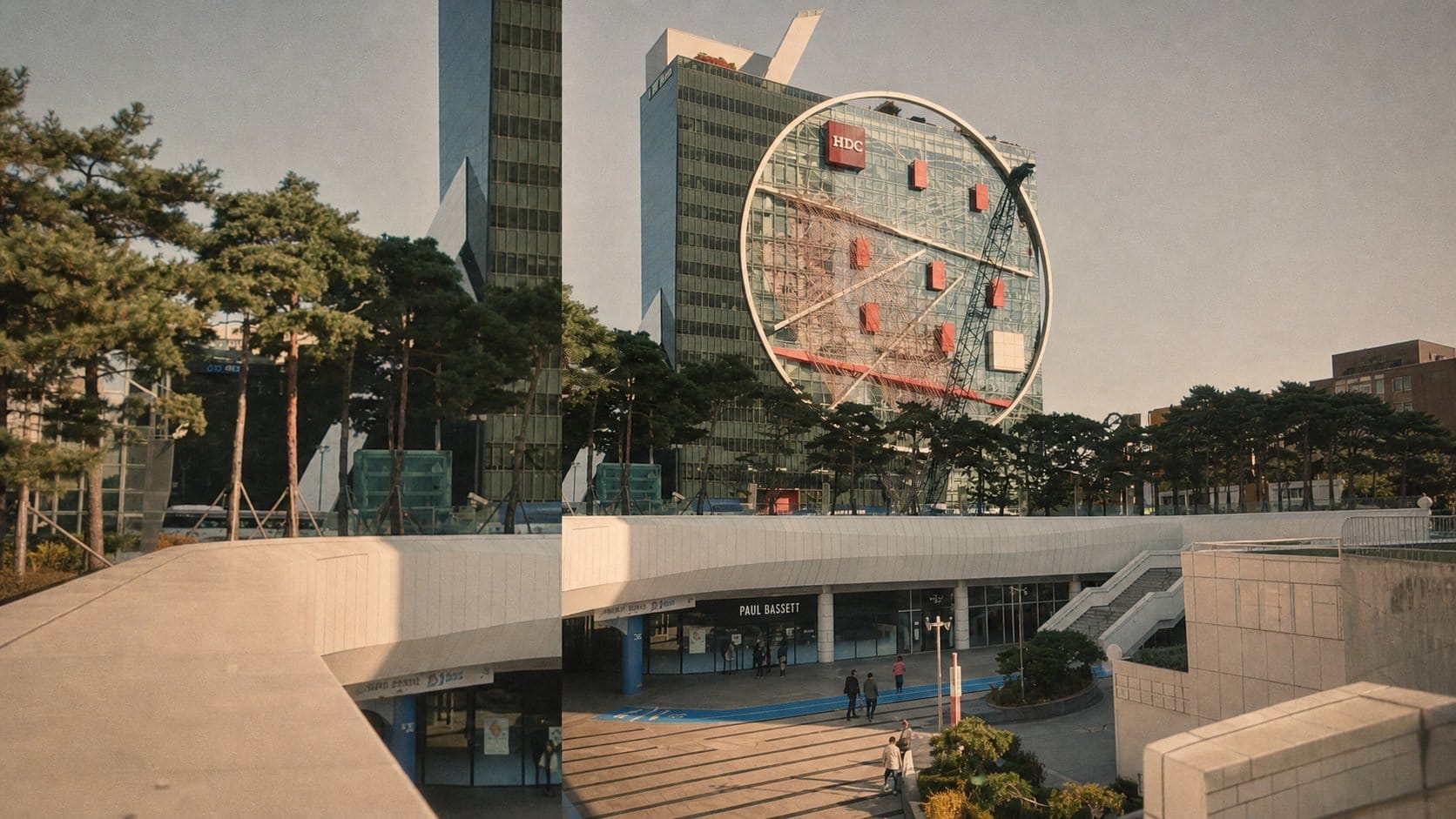
Seoul's transit fares are calculated by distance, not flat rate — which means the system must record where you entered and where you exited in order to charge you accurately. The rule is absolute: tap your card at every subway gate when entering and again when exiting the paid zone. On buses, tap when you board and tap again when you step off. Skipping an exit tap is the single most common and most costly mistake foreign visitors make on Seoul transit. When the system receives no exit signal, it automatically deducts the maximum possible fare for that line or segment — typically several times the actual distance traveled — as a penalty default.
On buses, the consequences escalate with repetition. Miss your exit tap once and you lose the transfer discount and pay the maximum distance fare for that ride. Miss the exit tap on two consecutive bus rides and your transit card is suspended for 24 hours. A 24-hour suspension on concert night — when you need to get back to your hotel after a show — is a serious logistical problem. Build the tap-out habit from your very first ride: tap in when boarding, tap out when alighting, every time, no exceptions.
If you receive an unexpected maximum-distance charge because you missed a tap-out, the situation is correctable. Visit the T-money customer service desk inside the station — located near the fare gates and marked with a green 'T' symbol, or identifiable on the station map near the main exit. Station staff can review your stored tap history and issue a refund for the overcharge, returning the difference between the maximum charge and your actual traveled distance. Bring the card you used and know approximately what time and at which station you exited. Enabling a balance-change notification on a T-money companion app or linked bank account helps catch unexpected deductions before they compound across a multi-day trip.
Transfer discounts add another layer of incentive to tap correctly throughout a journey. When you transfer between subway and bus — or bus to bus — within 30 minutes of your previous tap-out, the connecting leg incurs no second base fare: you pay only any additional distance charge beyond the combined 10 km base covered in your first leg. The transfer window extends to 60 minutes for journeys beginning between 9 PM and 7 AM. Up to four transfers per journey qualify for this discount, covering a full multi-modal night out from hotel to venue to dinner to home with only marginal distance charges added. The discount triggers automatically when you tap in for the connecting leg — but only if you correctly tapped out of the previous one. Skip the bus exit tap, and your next transit tap registers as a brand-new journey at full base fare.
Frequently Asked Questions
Does the Climate Card cover the airport express train from Incheon?
The Climate Card covers the AREX all-stop local service only — not the AREX express. The AREX express runs with limited stops between Incheon International Airport and Seoul Station in approximately 43 minutes and costs ₩11,000. The all-stop local service, which is covered by the Climate Card, calls at all intermediate stations and takes approximately 58 minutes, with a fare of ₩4,150 on a standard T-money card. If you hold a Climate Card and use the AREX local service, no additional transit fare applies — the pass covers it. If you choose the express, budget ₩11,000 separately each direction; the Climate Card provides no partial discount on the express service. AREX operates from approximately 5:20 AM to 11:50 PM from the airport side.
Can I tap into Seoul subway with my iPhone or Android phone?
Yes, with some setup required. NFC-enabled iPhones (iPhone 7 or later, running iOS 16 or later) support Apple Pay T-money — add the T-money card in the iPhone's Wallet app, which can be configured before or after arriving in Korea. Samsung Galaxy devices support T-money through Samsung Pay via the same process. Both allow tap-in and tap-out at Seoul subway fare gates and bus readers using your phone instead of a physical card. The important caveat: not all foreign-issued bank accounts and debit cards are compatible with loading T-money into these mobile wallets — compatibility depends on your issuing bank's country and card type. Check your bank's Apple Pay or Samsung Pay eligibility before traveling. If your foreign card is not supported, the physical T-money card (₩3,000 at any convenience store or subway vending machine) is the reliable fallback and works universally regardless of phone model.
What happens if I forget to tap out at a Seoul subway station?
If you exit a subway station without tapping your transit card at the outbound fare gate, the system automatically deducts the maximum distance fare for that line — the highest possible amount as if you had ridden to the furthest station on that segment. This overcharge is correctable. Go to the T-money customer service desk (station office, typically near the fare gates and marked with a green 'T' logo, or shown on the station map near the main exit) at any Seoul Metro station and request a fare adjustment. Station staff will review your card's stored tap history and refund the difference between the maximum charge and the fare for your actual travel distance. Bring the transit card you used and know roughly what time and at which station you exited. For faster identification, note that most tap-adjustment requests are processed on the day of the incident; waiting multiple days can complicate the history lookup. Enabling a balance-notification feature through a T-money app or linked account helps you catch unexpected deductions immediately before they repeat.
When does Climate Card validity actually start?
Climate Card validity begins on the date the pass duration is charged to the card — not on the date you take your first tap through a fare gate. This distinction catches many visitors off guard. If you purchase the physical card and charge a 3-day pass to it on a Sunday evening, Sunday counts as Day 1, and the pass expires Tuesday at midnight regardless of how many (or how few) trips you made on Sunday. To avoid wasting a day, you may designate a start date within 5 days of purchase. The practical approach: buy the physical Climate Card at a convenience store or subway vending machine at any time — even on your flight layover day — but wait to charge (activate) the pass duration until the morning you actually plan to begin traveling in Seoul. Charging it the morning of travel Day 1 ensures you use every hour of coverage you paid for.
Is T-money accepted in Busan, Gyeongju, and other Korean cities?
Yes — T-money is accepted on transit in Busan, Jeju, Daegu, Gwangju, Incheon, and most other Korean cities with public transit networks, as well as on standard taxis nationwide and at select convenience store purchases throughout the country. The Climate Card does not function outside Seoul's licensed transit area — it is strictly a Seoul pass. Visitors combining a Seoul concert with regional sightseeing — Busan for a beach day, Gyeongju for temple visits, Jeju for a weekend — should keep a loaded T-money card as their primary or backup transit card for all legs outside Seoul. Many experienced Korea travelers carry both simultaneously: Climate Card active on Seoul days, T-money ready for inter-city buses, regional metro systems, and taxi rides anywhere in the country.
Seoul Transit 2026: What to Sort Before You Land
Seoul's subway is one of the most accessible transit systems in Asia for foreign visitors — bilingual signage, intuitive station numbering, mobile payment support, and multiple card options all reduce friction at every step of independent navigation. The decisions that matter most are the ones made before arrival: install Naver Map or KakaoMap while still on Wi-Fi (Google Maps does not function for Korean transit), determine whether a Climate Card or T-money better suits your specific trip length and daily movement count, and note that Climate Card pass duration begins on the activation date — not the first tap. These three decisions alone prevent the overwhelming majority of transit problems visitors encounter.
For K-POP concert itineraries specifically, map each venue's subway connection before the event day rather than on it. COEX Arena anchors at Samseong on Lines 2 and 9; KSPO Dome connects via Bangi or Ogeum on Line 5; KINTEX in Goyang is served by Daehwa at Line 3's terminus with a distance surcharge from central Seoul; Yeouido venues sit at the Yeouido station on Lines 5 and 9. The last train question is the most critical logistical variable on show nights — trains run until approximately midnight, but direction-specific final departure times vary. Check the platform board for your specific line and direction when you arrive at the station, not after the encore ends.
The tap-out rule warrants one final emphasis: every subway exit gate, every bus alighting — tap the card, every time. A single missed bus exit tap forfeits the transfer discount and triggers a maximum-distance deduction. Two consecutive missed bus tap-outs suspend the card for 24 hours. Habituate the tap-out from the first ride and Seoul's transit network delivers exactly what it promises: fast, affordable, city-wide connectivity for every venue, neighborhood, and event on the itinerary.
Last updated: 2026-05-18. Fare information reflects the ₩1,550 base adult card fare effective June 28, 2025. Climate Card pricing, coverage, and international card acceptance verified against Seoul Metropolitan Government official Climate Card policy. MPASS and WOWPASS details sourced from Korea Tourism Organization. Article reviewed for accuracy against live source pages as of publication date.
Related Articles
- 江南区指南2026:各子区、K-Pop景点与旅游攻略
- 江南エリアガイド2026:エリア別マップ、K-POPスポット&観光情報
- 강남 지역 가이드 2026: 동네별 명소, K-Pop 스팟 & 즐길 거리
- Gangnam District Guide 2026: Neighborhoods, K-Pop Spots & What to Do
- 2026年韩国7日行程:首尔到釜山粉丝旅游攻略
This article was written using information collected and analyzed by NAMANE's in-house K-pop research AI engine. We use AI technology to bring you faster, broader coverage, and in the process some details may occasionally differ from the latest facts. For important information such as dates, venues, and prices, please double-check with official sources.


