
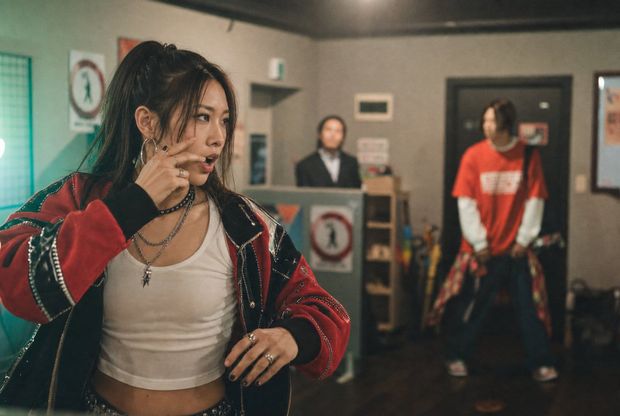
A reunited K-pop trio, a two-decade-old scandal, and one reckless shot at a comeback — that's the setup that made "Wild Sing" one of the more talked-about Korean releases of summer 2026. Here's what the film actually is, and why fans keep misfiling it.
What Is Wild Sing? The 2026 Korean Film Explained
"Wild Sing" (와일드 씽) is a scripted South Korean musical comedy feature film released in 2026 — not a variety show, reality series, or singing competition, despite the confusion its music-industry premise tends to cause . It was directed by Son Jae-gon, the filmmaker behind the record-setting comedy hit "Extreme Job," and written by Kim Chae-woo, with distribution handled by Lotte Entertainment .
Quick Answer: "Wild Sing" is a 2026 Korean musical comedy directed by Son Jae-gon, released June 3, 2026 by Lotte Entertainment on roughly 1,351 screens. It follows TRIANGLE, a fictional first-generation K-pop trio reuniting 20+ years after a scandal, and passed 1.3 million admissions by early July 2026.source
The film opened in South Korea on June 3, 2026, launching on roughly 1,351 screens with a runtime of about 107 minutes . By July 6, 2026 it had crossed 1.3 million admissions — about 1,308,421 tickets — grossing roughly US$8.2 million .source
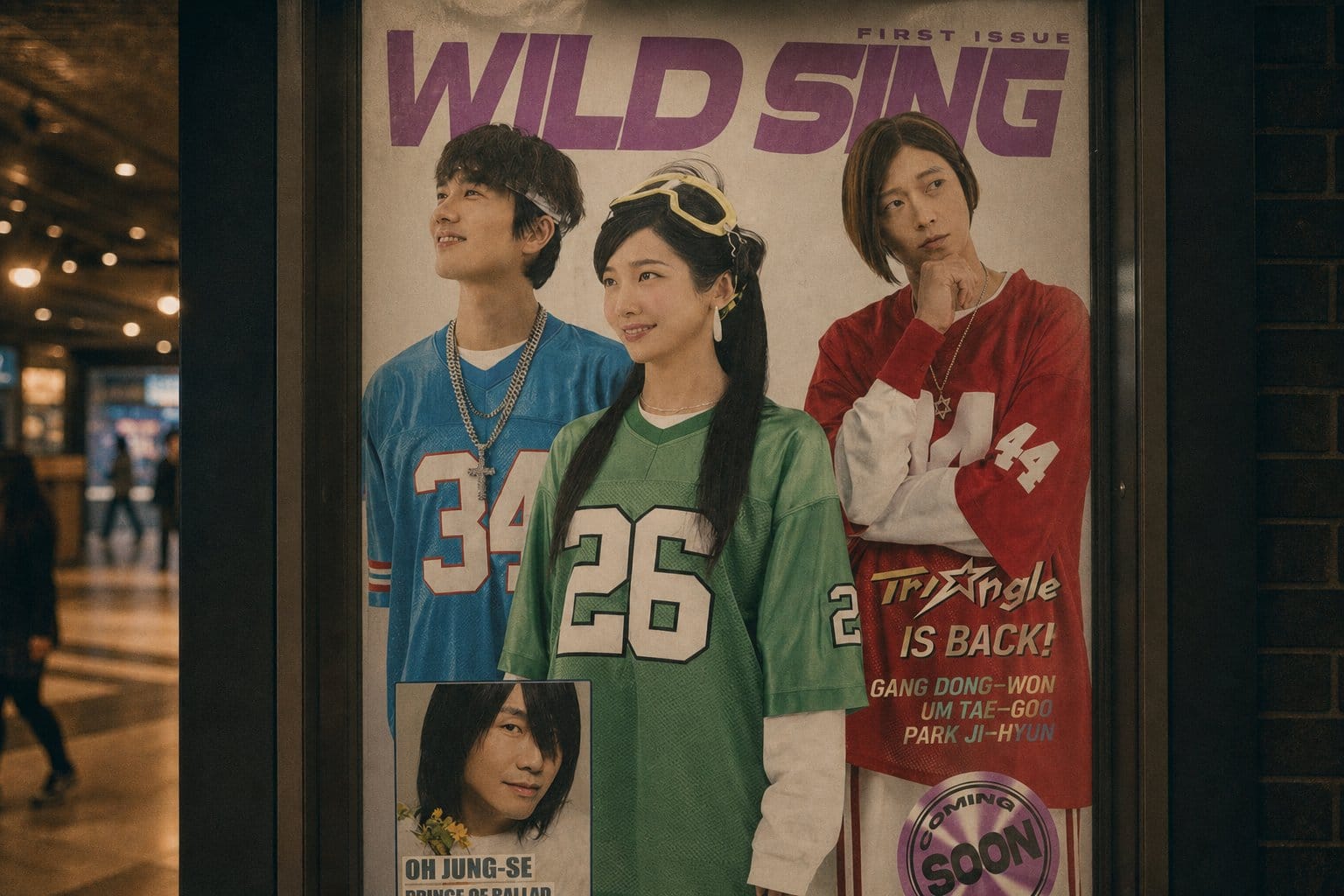
At its core, "Wild Sing" is a nostalgia piece. The plot follows TRIANGLE, a fictional co-ed dance trio from the late-1990s and early-2000s first generation of K-pop, who disbanded more than 20 years earlier amid scandal. When the former leader receives an unexpected comeback proposal, the estranged and now-struggling members reluctantly reunite for one last shot, colliding with old rivals, a former boss, and assorted antagonists along the way . That premise — real K-pop history filtered through a comedy about a made-up group — is exactly why some listings mislabel it as a variety program. It is a fully scripted feature, headlined by Kang Dong-won, Park Ji-hyun, Um Tae-goo, Oh Jung-se, and Shin Ha-kyun.
Park Ji-hyun Based Her Character on Lee Hyori — Here's What She Said
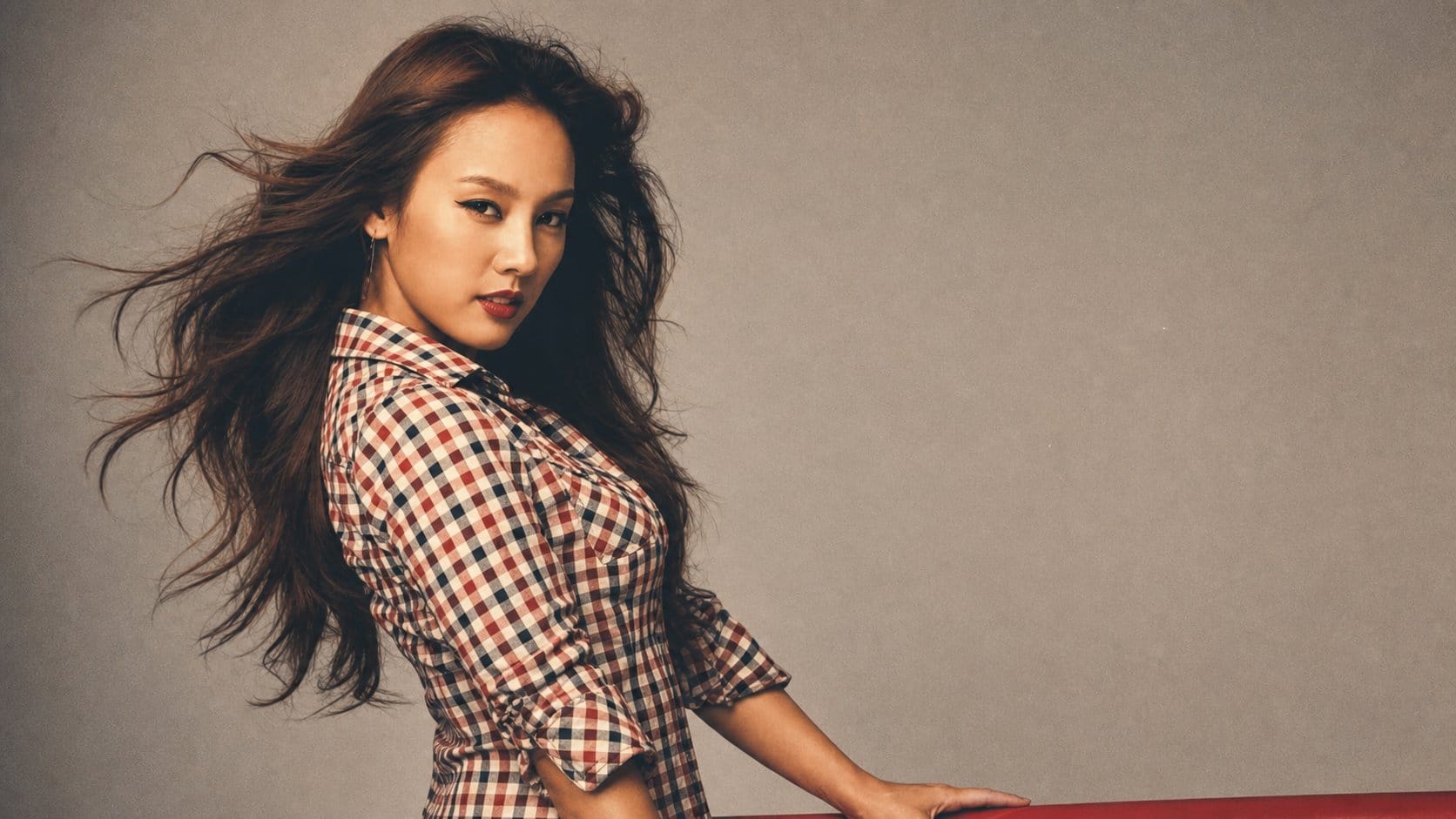
Park Ji-hyun plays Byeon Do-mi, TRIANGLE's center, main vocalist, and the trio's real behind-the-scenes leader — and she has said she modeled the role partly on Fin.K.L's Lee Hyori, the defining first-generation female idol known for charisma and stage command . As the sole woman in the three-piece group, Do-mi carries the act's visual and performance identity, which makes the Hyori parallel less a passing reference than the blueprint for how the character reads on screen.
The reference point is deliberate. Lee Hyori debuted with Fin.K.L in 1998 and became the era's benchmark for stage presence — the member audiences watched first, and the one whose confidence set the group's tone . Byeon Do-mi is written along the same lines: the member with the strongest voice and the clearest command of the room, quietly steering decisions while the group's official leader, Hwang Hyun-woo, takes the spotlight .
In promotion around the film's June 3, 2026 release, Park framed the choice as a way to ground a fictional 1990s idol in someone audiences would instantly recognize . Rather than invent a stage persona from scratch, she borrowed two specific traits from Hyori:
- Stage command — the center-position charisma that pulls the eye and anchors choreography, essential for a character positioned as the trio's focal point .
- Quiet leadership — the behind-the-scenes authority that shapes a group without demanding the title, mirroring Do-mi's role as the real decision-maker inside TRIANGLE .
"I modeled Do-mi partly on Lee Hyori," Park Ji-hyun said in interviews ahead of release, pointing to the Fin.K.L star's stage presence and understated leadership as the traits she wanted to channel (source: Wikipedia).
The parallel also fits the film's project of revisiting K-pop's early days with affection rather than parody . TRIANGLE is invented, but audiences who lived through first-generation idol culture read Do-mi through a familiar template — the composed, commanding female center who held a co-ed group together. For fans, recognizing the Hyori influence is part of the film's appeal: it turns a comedy about a fake band into a nod at the real acts that built the industry.
Full Wild Sing Cast: Every Main Role and Who Plays Them
The Wild Sing main cast centers on TRIANGLE, the reunited first-generation trio, plus the rival and producer who orbit their comeback. Kang Dong-won plays leader Hwang Hyun-woo, Park Ji-hyun plays center Byeon Do-mi, and Um Tae-goo plays rapper Gu Sang-gu, with Oh Jung-se as a washed-up rival and Shin Ha-kyun as the group's producer . Each role maps onto a recognizable archetype from the late-1990s idol era.
Kang Dong-won anchors the group as Hwang Hyun-woo, described as TRIANGLE's handsome but clumsy leader — a self-styled "dance machine" famous for headspins . The character is the nominal front man, but the film frames Do-mi as the member who actually held the act together, which sets up much of the comedy between the two.
Um Tae-goo (also romanized Uhm Tae-goo) plays Gu Sang-gu, the trio's rapper and youngest member . As the maknae of an idol group two decades past its prime, Sang-gu carries the awkwardness of a middle-aged man asked to perform choreography he learned as a teenager — a running thread in the reunion story.
Oh Jung-se takes the film's most exaggerated arc as Choi Sung-gon, a "ballad prince" who once topped the charts alongside TRIANGLE but is now debt-ridden. In a comedic twist, Sung-gon has reinvented himself as a licensed hunter tracking dangerous wild animals . He functions as both an old rival and a mirror for what happens to first-generation stars after the spotlight moves on.
Shin Ha-kyun rounds out the core cast as Park Yong-gu, TRIANGLE's producer, who shapes the reckless comeback attempt at the heart of the plot . Yong-gu is the industry hand steering the reunion, the character who turns a nostalgic idea into an actual, risky return to the stage.
| Actor | Character | Role in TRIANGLE's orbit |
|---|---|---|
| Kang Dong-won | Hwang Hyun-woo | Leader; handsome but clumsy "dance machine" known for headspins |
| Park Ji-hyun | Byeon Do-mi | Center, main vocalist and only female member; the real behind-the-scenes leader |
| Um Tae-goo | Gu Sang-gu | Rapper and youngest member |
| Oh Jung-se | Choi Sung-gon | Rival "ballad prince," now debt-ridden and working as a licensed wildlife hunter |
| Shin Ha-kyun | Park Yong-gu | Producer shaping the comeback attempt |
Together, the five leads give Wild Sing its ensemble shape: an idol group defined less by star power than by the friction between members who spent twenty years apart .
Supporting Cast: Rivals, Antagonists, and Cameos
Around the TRIANGLE trio sits a supporting cast built for comedic obstruction, with Kang Ki-young cast as Na Tae-poong, a former dancer who has reinvented himself as a major variety-show personality and now stands directly in the group's comeback path . That in-film "variety star" role is one of the concrete reasons Wild Sing is sometimes mislabeled as a variety program rather than the scripted musical comedy it is . The character exists to weaponize the modern entertainment machine against a trio whose fame belongs to the late-1990s.
The antagonism extends into the domestic sphere. Park Hae-mi plays Do-mi's wealthy mother-in-law, a key antagonist who supplies much of the film's family-pressure comedy as the center of TRIANGLE tries to justify a reunion no one around her wants . On the financial side, Kim Ki-chun appears as Boss Go, a loan shark whose debts tangle up the group's already precarious money situation and raise the stakes on the comeback attempt .
Filling out the ensemble are shorter appearances and behind-the-scenes roles drawn from across the film's cast listings:
- Gong Myung — a guest role .
- Heo Jun-seok — PD Kong (Gong), an industry gatekeeper figure .
- Park Jung-won — Writer Yang .
- Yang Hyun-min — a police sergeant .
These roles matter because they map the world that first-generation idols re-enter after two decades away: a variety-show ecosystem that rewards new personalities, in-laws who measure worth in money, and creditors who never forgot the debts. The supporting players give the trio's reunion its friction, and the guest turns — including Gong Myung's cameo — reward viewers who follow contemporary Korean film and television casting closely .
Five Months of Training: How the Cast Prepared to Perform as a K-Pop Trio
The principal cast of Wild Sing trained for roughly five months of dance and vocal rehearsal before filming so that TRIANGLE's stage numbers would read as authentic first-generation idol choreography rather than movie shorthand . Kang Dong-won, Park Ji-hyun and Um Tae-goo rehearsed together as a unit, learning the group synchronization, harmonies and set-piece routines — including the leader's headspin gags — that anchor the film's comeback sequences .
That preparation extended beyond the screen into an actual release strategy. The Wild Sing soundtrack arrived on April 21, 2026 across Korean and global streaming platforms, roughly six weeks ahead of the June 3 theatrical opening . Treating the fictional trio like a working act let audiences hear the music before meeting the characters, mirroring how first-generation groups seeded singles ahead of a comeback.
The rollout produced measurable traction. The music video for "Love is" had accumulated about 2.8 million YouTube views around the film's release window, a signal that the in-universe songs functioned as standalone K-pop content rather than incidental score .
Promotion leaned on the same variety-show ecosystem the film satirizes. The cast appeared on You Quiz on the Block — episode 345, aired May 27, 2026 — as part of the pre-release push, using a mainstream talk platform to introduce TRIANGLE's premise to general audiences . Not every planned name made the final lineup: Lim Ji-yeon was reported to be in talks to join the project but declined because of scheduling conflicts .
"Wild Sing revisits K-pop's early days with heart and humor," reported The Korea Times, describing the months of rehearsal that let the actors carry full musical numbers on their own.
For fans, the takeaway is that the performances weren't faked in the edit. The five-month rehearsal block, the standalone soundtrack, and the "Love is" video together mean TRIANGLE's stage moments hold up as choreography and vocals a first-generation act might actually have released — which is part of why the nostalgia lands .
Box Office Performance and How Wild Sing Fits Into 2026 Korean Cinema
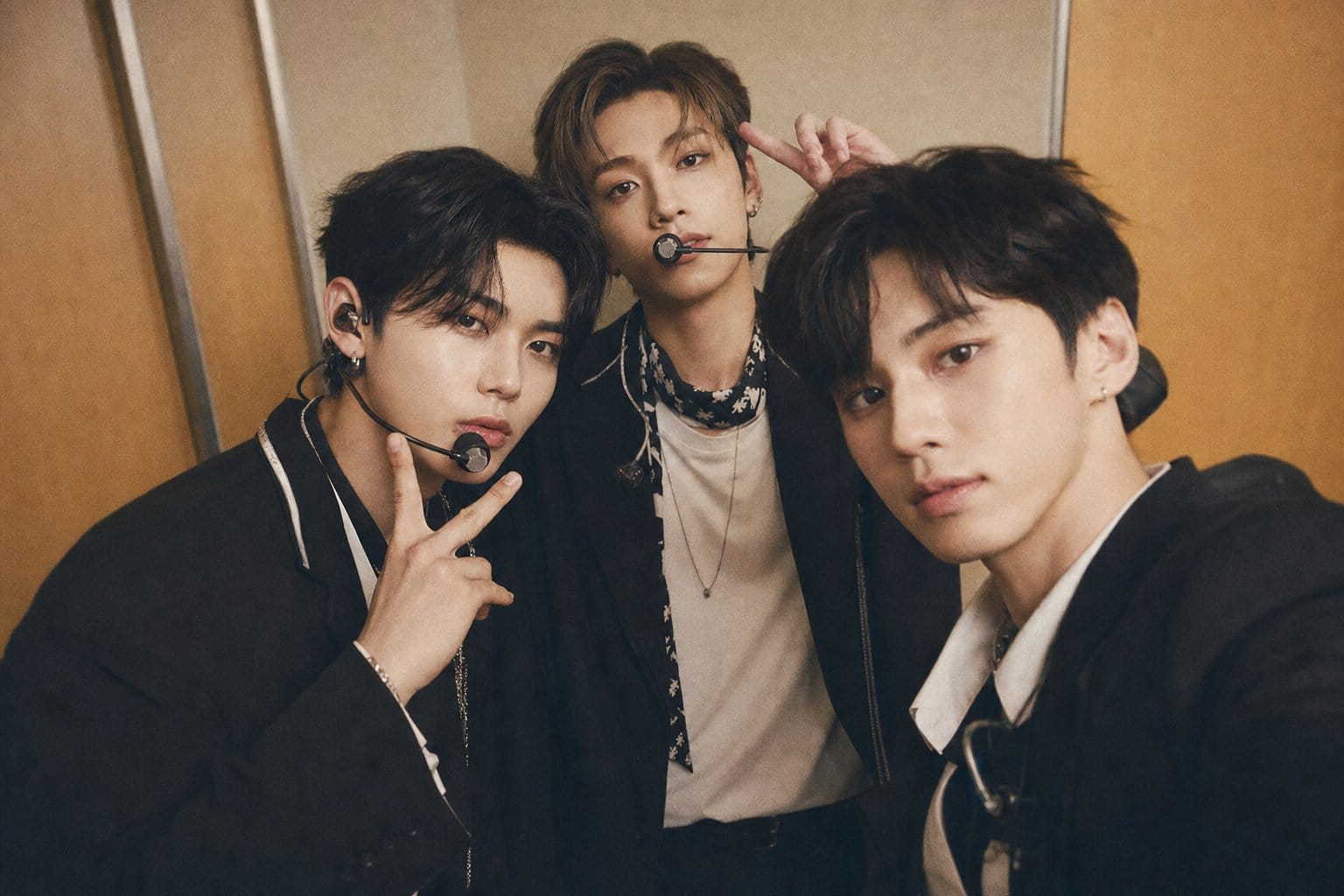
Wild Sing opened strong and settled into a durable run. On its first day, June 3, 2026, the film drew 160,758 admissions and debuted at No. 2 on the Korean box office, trailing only Colony . Rather than fading after the launch weekend, it kept selling tickets steadily: by July 6, 2026 it had accumulated roughly 1,308,421 admissions and about US$8.2 million in gross . Crossing 1.3 million admissions inside its first five weeks marks it as a solid mid-summer performer for a comedy without a franchise or tentpole budget behind it.
Quick Answer: Wild Sing opened June 3, 2026 with 160,758 admissions at No. 2 behind Colony, then reached about 1,308,421 cumulative admissions and roughly US$8.2 million by July 6, 2026 — a steady run for director Son Jae-gon's first feature since 2019's record-setting Extreme Job.
The director's track record adds weight to those numbers. Son Jae-gon last directed Extreme Job in 2019, a comedy that set a domestic box-office record, and Wild Sing is his first feature since then . That gap between projects is part of the film's commercial story: audiences who remember Extreme Job had reason to show up, and the reunion-of-a-first-generation-idol-group premise gave them a second reason.
| Metric | Figure | Date |
|---|---|---|
| Opening-day admissions | 160,758 | June 3, 2026 |
| Opening-day rank | No. 2 (behind Colony) | June 3, 2026 |
| Cumulative admissions | ~1,308,421 | July 6, 2026 |
| Estimated gross | ~US$8.2 million | July 6, 2026 |
| Screen count at launch | ~1,351 screens | June 3, 2026 |
The commercial hook is nostalgia aimed at a specific demographic. By building the story around a co-ed trio from the late-1990s and early-2000s first generation of K-pop, the film targets viewers who came of age with those idol groups and now make up a large slice of the moviegoing public . That framing gives Wild Sing a lane in 2026 Korean cinema distinct from action tentpoles: it sells memory and music to an audience old enough to have lived through the era it revisits, while the comedy keeps it accessible to newer fans discovering K-pop's roots.
Why Wild Sing Matters for K-Pop Fans — And What to Watch Before You See It
For K-pop fans, Wild Sing works best as a reconstruction of the first-generation idol era — the late-1990s to early-2000s window when the modern K-pop system took shape. TRIANGLE, the fictional co-ed trio at the film's center, is built from that period's raw materials: metallic stage fashion, tightly drilled group choreography, tabloid scandal culture, and the top-down management dynamics that governed early idols . The group disbanded more than 20 years before the story begins, amid scandal, and reunites for one reckless comeback shot — a plot that only lands fully if you recognize the era it is quoting .
TRIANGLE's arc mirrors the real acts of that generation. Knowing groups like g.o.d, H.O.T, S.E.S., and Fin.K.L adds a layer to both the comedy and the drama, because the film's beats — debut hype, rivalry with a chart-topping "ballad prince," disbandment, and a nostalgia-driven return — track the actual life cycle of first-gen idols. Park Ji-hyun's reference point makes this explicit: she said she modeled Byeon Do-mi, TRIANGLE's center, partly on Fin.K.L's Lee Hyori .
That name is a useful shorthand. Fin.K.L debuted in 1998 as a four-member girl group, and Hyori — positioned as the group's center — went on to become one of Korea's defining solo icons, exactly the archetype Do-mi embodies: the visible face out front who is also the real behind-the-scenes leader .
"Wild Sing revisits K-pop's early days with heart and humor," framing the reunion story as a nostalgic look at where the industry began (source: The Korea Times, 2026-05).
For international fans new to first-gen K-pop, a short primer before viewing pays off. A few things worth knowing going in:
- The co-ed format was real. Mixed-gender idol acts existed in the first generation, so TRIANGLE's makeup is not a comedic invention.
- Centers carried the group. The "center" — main vocalist and focal performer — was a defining role, which is why Do-mi's Lee Hyori inspiration matters.
- Management held the power. Producers and agencies dictated schedules, image, and disbandment, a dynamic the film plays for both laughs and pathos.
- Scandal ended careers fast. TRIANGLE's 20-year gap reflects how quickly first-gen acts could unravel.
The concrete takeaway: Wild Sing rewards a little homework. Cue up a handful of g.o.d, H.O.T, S.E.S., and Fin.K.L tracks first, then watch for the era's fashion and choreography quoted on screen — the film's jokes and its emotional payoff both hit harder when you can see the real history behind TRIANGLE's fictional one.
Frequently asked questions
Is Wild Sing a real film or a variety show?
Wild Sing is a scripted feature film — a musical comedy with a runtime of about 107 minutes, released in South Korea by Lotte Entertainment on June 3, 2026. It is not a singing competition or a variety program. The confusion is understandable: the story is set inside the K-pop industry, and Kang Ki-young plays Na Tae-poong, an in-film variety-show personality, which has led some listings to mislabel it. For the record, it follows a fictional trio called TRIANGLE, as confirmed by The Korea Times.
Who plays the female lead in Wild Sing?
Park Ji-hyun plays Byeon Do-mi, the center and main vocalist of TRIANGLE and the group's only female member. In the story she is also the real behind-the-scenes leader of the reunited trio. Park has said she modeled the character partly on Fin.K.L's Lee Hyori, per reporting on the cast. Kang Dong-won and Um Tae-goo round out TRIANGLE as leader Hwang Hyun-woo and rapper Gu Sang-gu.
Why did Park Ji-hyun model her character on Lee Hyori?
Do-mi is the lone woman in a late-1990s co-ed idol group and the trio's true leader — the exact archetype Lee Hyori embodied as the standout figure in Fin.K.L. Park cited Hyori's charisma and stage command as reference points when building the role, according to coverage of her comments. Grounding a fictional first-generation center in a real one gives the performance a recognizable template for fans who lived through that era.
Who is the director of Wild Sing and what else has he made?
Wild Sing was directed by Son Jae-gon and written by Kim Chae-woo. Son also directed Extreme Job (2019), the comedy that set a South Korean domestic box-office record. Wild Sing is his first feature since then, as noted by The Korea Times. Distribution was handled by Lotte Entertainment.
How is Wild Sing performing at the Korean box office?
Wild Sing opened on June 3, 2026 at No. 2 on the Korean box office — behind Colony — with 160,758 day-one admissions. By July 6, 2026 it had crossed 1.3 million admissions (about 1,308,421) and roughly US$8.2 million in gross, according to Wikipedia and cast reporting.
Enjoyed this article? Subscribe to get new stories by email whenever they're published.
This article was written using information collected and analyzed by NAMANE's in-house K-pop research AI engine. We use AI technology to bring you faster, broader coverage, and in the process some details may occasionally differ from the latest facts. For important information such as dates, venues, and prices, please double-check with official sources.


