
Choosing the Right 2-Day Korea Trip for You
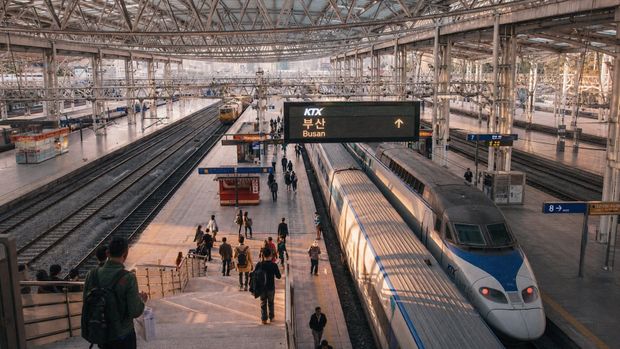
A 2-day Korea itinerary works best when it commits to a single travel profile rather than compressing a week-long tour into 48 hours. In 2026, four distinct routes cover the full range of what South Korea offers in a short window: an urban contemporary circuit built around Seoul's newer districts, a coastal city weekend via KTX to Busan, an East Sea nature escape pairing Gangneung and Sokcho, and a K-pop fan pilgrimage circuit that layers onto any of the other three. According to National Geographic's Best of the World 2026, South Korea's public transport network is rated among the world's best for reliability and coverage, which means 2-day logistics stay manageable even for first-time visitors. The four core decision factors are departure city, transport budget, group size, and whether K-pop fan stops are a priority. Cost tiers diverge meaningfully by route: Seoul's subway runs under ₩2,000 per ride, KTX to Busan adds ₩120,000–180,000 round-trip, and the East Coast express bus runs ₩30,000–40,000 round-trip — the lowest-cost overnight option of the three.
Quick Answer: South Korea has four strong 2-day itinerary options in 2026: Seoul (subway-based, ₩8,000–12,000 total transport), Busan via KTX (~2h30m, from ₩59,800 one-way), Gangneung–Sokcho by express bus (~2h, ₩14,800–18,000 one-way), and a K-pop fan circuit that can be layered over any of the three. Choose based on whether cities, coast, nature, or fan landmarks are the priority.
The fan pilgrimage option is not a standalone route — it is a filter applied to one of the other three. Seoul holds the highest concentration of K-pop label buildings, pop-up stores, and fan cafes. Busan adds filming location visits. Gangneung has the BTS 'In the SOOP' filming area near Gyeongpo Lake as a low-effort addition. Travelers with 2 days should commit to one primary route and layer fan stops on top rather than building a cross-city hybrid itinerary that splits focus.
Group size also shapes the calculation. Solo travelers and pairs can move through Seoul on the subway alone without planning overhead. Groups of three or more heading to Busan or the East Coast may find shared taxi legs competitive with per-person bus or train fares on certain stretches. Families with children typically find Seoul's subway the most practical base, given train frequency and the proximity of well-located accommodation to major station exits.
Seoul Contemporary Circuit: Seongsu, Yeonnam & Gangnam
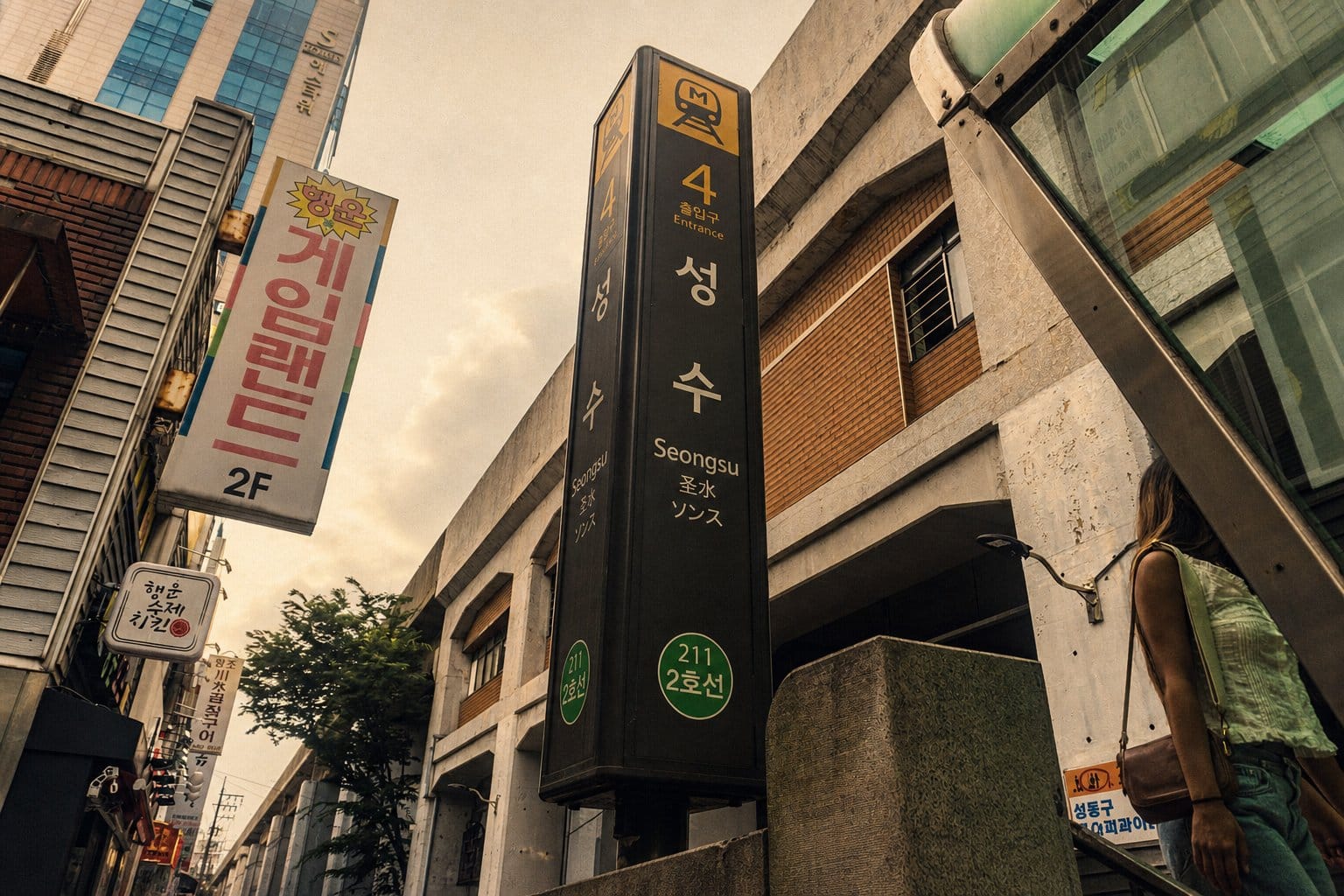
Seoul's most current 2-day circuit skips the palace district and centers instead on the neighborhoods that define the city's 2026 cultural identity. Day 1 is built around Seongsu, Seoul's repurposed industrial zone on subway Line 2, where converted warehouse cafes, independent fashion boutiques, and rotating K-pop artist pop-up stores cluster within a 15-minute walk of Seongsu Station Exit 3. Day 2 opens with a slow Yeonnam morning — indie bookstores, mural alleys, and independent coffee roasters in a quieter residential setting — before shifting to Gangnam for HYBE Insight, SM's COEX artium, and an evening on Garosu-gil. The entire circuit runs on the T-money subway card at under ₩2,000 per ride, with total estimated transport for two full days at ₩8,000–12,000 — among the most cost-efficient ways to cover significant urban ground in any major Asian city.
"Seoul's Yongsan and Gangnam districts have become genuine cultural destinations for K-pop fans — not just incidental stops. HYBE Insight alone draws international visitors who plan their entire Korea trip around a single museum booking," — Editorial team, Creatrip
Seongsu rewards deliberate exploration. The district's character comes directly from its pre-renovation industrial past — leather workshops, printing factories, auto body garages — which have since been converted into multi-story lifestyle venues without losing the exposed brick and raw steel aesthetic. Pop-up stores near Seongsu Station rotate on weekly schedules, with active artist campaigns announced through the Weverse app and Fab Korea's social channels typically 2–5 days before opening. Arriving without checking current listings in advance is the most common planning oversight for fan visitors to the district. Independent fashion boutiques line the side streets east of the station; most open at 12 PM and close by 9 PM.
📍 서울특별시 성동구 성수이로
⭐ 4.4 (44 리뷰)
📞 02-2286-5114
🔗 Google Maps에서 보기
Day 2's Gangnam segment carries the most significant booking pressure. HYBE Insight, the label's public-facing museum in the Yongsan corridor, requires advance online reservation and sells out 1–2 weeks ahead during peak travel months — April through May and September through October. Plan this booking before finalizing accommodation for the trip. SM's COEX artium at Samseong Station is walk-in accessible and free to browse, with artist merchandise and label installations on display. The JYP Building exterior in Cheongdam is a short walk from Apgujeong Rodeo Station and functions as a photo stop rather than an entry-based venue. Garosu-gil, the tree-lined boulevard connecting Gangnam's design district, concentrates dinner options for the evening, including Michelin-referenced Korean restaurants that are bookable in advance through local platforms, according to Designer Journeys.
📍 View HYBE Insight Museum on Google Maps
📍 View SM COEX Artium on Google Maps
The practical sequencing: Seongsu 10 AM–6 PM on Day 1 (Line 2, no transfers needed), Yeonnam 9–11 AM on Day 2 (Hongik University Station), then Gangnam 1–8 PM on Day 2 (Samseong or Hakdong Station). The afternoon transfer from Yeonnam to Gangnam takes approximately 35 minutes by subway, according to VisitSeoul — cross-city rail in Seoul rarely exceeds 40 minutes between major district hubs.
East Coast Escape: Gangneung & Sokcho in 48 Hours
The Gangneung–Sokcho pairing offers the sharpest contrast to Seoul available on a 2-day Korea itinerary: beach sunrise, specialty coffee, tofu village, a Cold War–era refugee settlement, and a national park trailhead, all connected by one coastal highway without the complexity of major city transfers. The express bus from Seoul Dong-Seoul Terminal to Gangneung runs approximately 2 hours and costs ₩14,800–18,000 one way; booking 3–5 days ahead is advisable on regular weekends, and earlier for Korean public holidays when departures fill quickly. Day 1 focuses on Gangneung: an early walk on Gyeongpo Beach, time on Coffee Street's artisan roaster strip, and lunch at Chodang Tofu Village. Day 2 moves north to Sokcho for Abai Village, the Cheongcho Lake boardwalk, and short trails near the Seoraksan National Park gate before the return bus to Seoul.
"Gangneung's Anmok Coffee Street has more specialty roasters within a single kilometer than anywhere else in Korea outside Seoul — over a dozen independent cafes operating side by side, each with distinct house roasts and brewing styles," — Travel editorial, National Geographic
| Day | Location | Highlight | Suggested Time | Approx. Cost |
|---|---|---|---|---|
| Day 1 | Gyeongpo Beach, Gangneung | Sunrise walk; BTS 'In the SOOP' filming area nearby at Gyeongpo Lake | 6:00–8:00 AM | Free |
| Day 1 | Anmok Coffee Street, Gangneung | 10+ artisan roasters within 1 km | 8:30–11:00 AM | ₩5,000–8,000 per drink |
| Day 1 | Chodang Tofu Village, Gangneung | Traditional soft tofu made with local seawater | 11:30 AM–1:30 PM | ₩8,000–15,000 |
| Day 2 | Abai Village, Sokcho | Korean War–era refugee settlement; Abai sundae | 9:00–11:00 AM | Free entry; food ₩5,000–10,000 |
| Day 2 | Seoraksan National Park, Sokcho | Short accessible gate-area trails; mountain scenery | 11:30 AM–2:00 PM | Small admission fee |
| Day 2 | Cheongcho Lake, Sokcho | Sunset boardwalk; fishing boats, coastal views | 4:30–6:30 PM | Free |
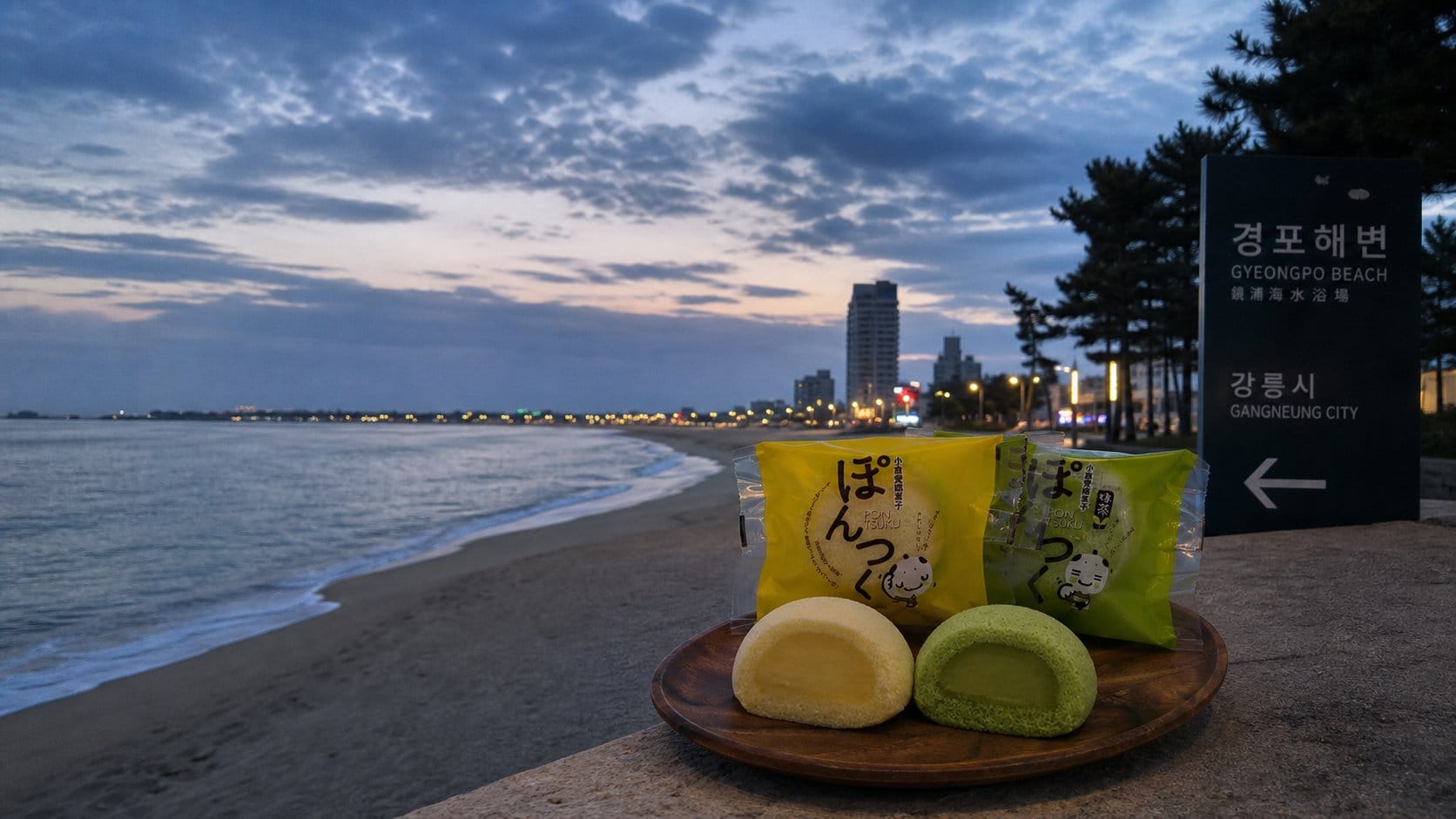
Gyeongpo Beach draws visitors for its wide pine-backed shoreline and its proximity to the area where BTS filmed 'In the SOOP' Season 1 near Gyeongpo Lake. The filming area sits within the standard Day 1 beach walk route — no separate transport or detour is needed for fans. Coffee Street, formally Anmok Coffee Street, runs along the coastal road parallel to the beach and packs more than 10 specialty roasters into a 1-kilometer stretch, representing the highest density of independent specialty coffee outside Seoul anywhere in South Korea.
📍 View Gyeongpo Beach on Google Maps
📍 View Anmok Coffee Street, Gangneung on Google Maps
Sokcho's Abai Village carries historical weight that exceeds its modest physical footprint. The settlement was established during the Korean War period when refugees from North Korea's Hamgyong Province were resettled on the narrow sandbar between Cheongcho Lake and the sea. It is now best known for Abai sundae — blood sausage stuffed with noodles and vegetables in a style distinct from Seoul-style preparations — which has developed into a recognized food tourism draw. A short cable ferry crosses the inlet to reach the village from the main Sokcho waterfront; the ferry crossing is part of the experience. From Abai Village, a local bus to Seoraksan National Park takes approximately 30 minutes, with the park gate area offering accessible short trails that require no specialized hiking gear.
📍 View Abai Village, Sokcho on Google Maps
📍 View Seoraksan National Park on Google Maps
Busan via KTX: A 2-Day Coastal Weekend
Busan earns the KTX fare through straightforward day-count efficiency. The KTX from Seoul Station to Busan covers approximately 400 km in around 2 hours 30 minutes at a standard fare from ₩59,800 one way. The SRT from Suseo Station in southeastern Seoul covers the same route at a slightly lower per-ticket cost — roughly ₩5,000–8,000 cheaper — and with noticeably less crowding on non-holiday weekends. Departing Seoul by 7 AM on Day 1 puts you on the ground in Busan by 9:30 AM, leaving over 9 usable hours before Day 1 ends. Departing Busan no later than 6 PM on Day 2 returns you to Seoul by 8:30 PM. The travel math makes the round trip straightforward for a weekend.
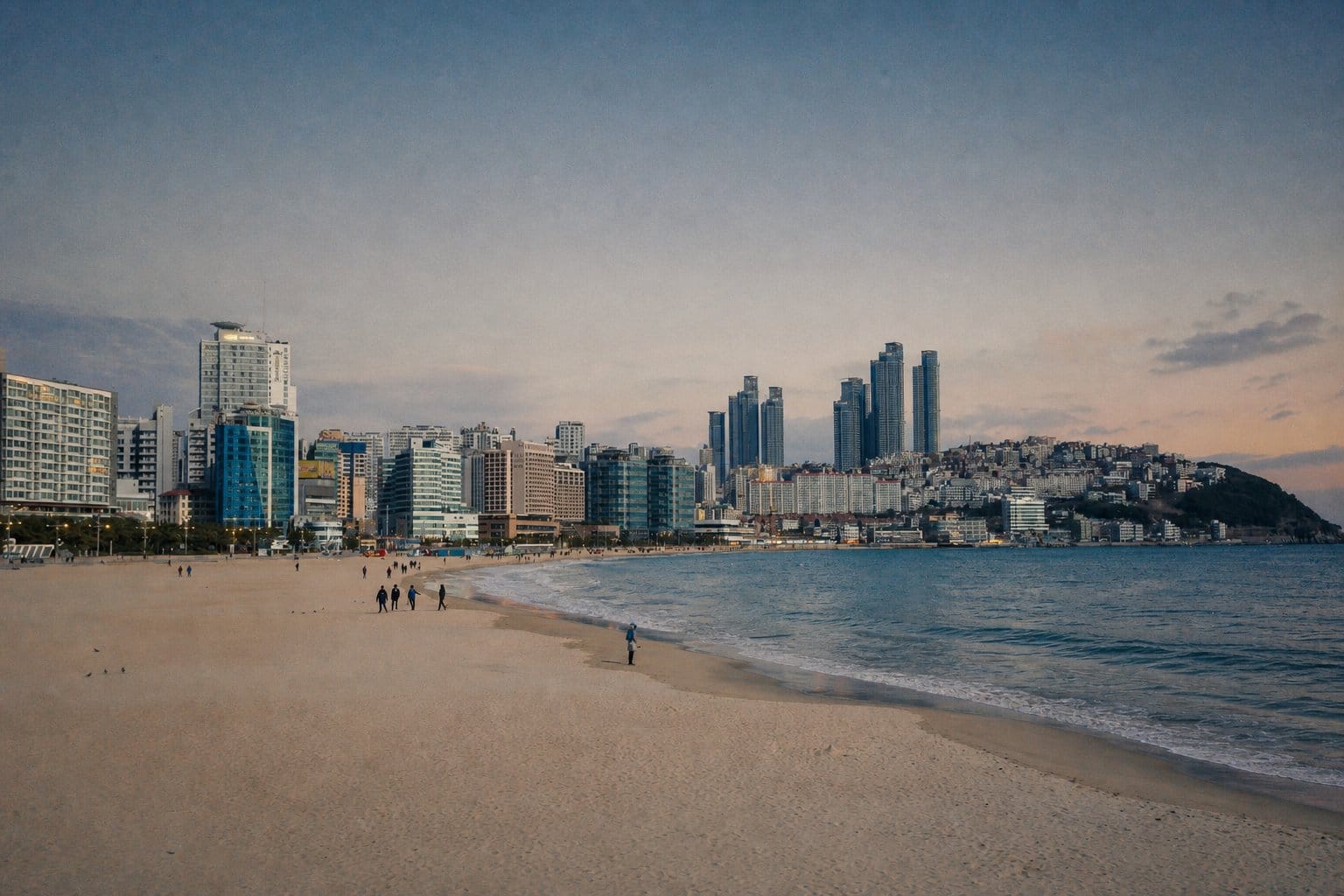
Day 1 follows a geographic arc from Busan's hillside west to its coastal waterfront. Begin at Gamcheon Culture Village — a pastel-painted hillside maze of houses originally built by Korean War refugees, now a publicly accessible open-air art space featuring murals including K-pop idol wall art. Entry is free. From Gamcheon, a 20-minute taxi to Jagalchi Fish Market covers Busan's main seafood hub for a raw sashimi lunch. Gwangalli Beach offers the evening: a quieter alternative to Haeundae with direct views of Gwangan Bridge, which becomes a visual anchor after dark when its LED lighting activates. The walk from Gwangalli Beach Station to the waterfront takes under 5 minutes.
📍 View Gamcheon Culture Village on Google Maps
📍 View Jagalchi Fish Market on Google Maps
Day 2 shifts to Busan's eastern coastline. Haedong Yonggungsa is a coastal Buddhist temple built directly on sea cliffs above the East Sea — one of the few temples in Korea not situated in a mountain interior. Entry is free. A bus from Haeundae Station reaches the temple in approximately 30 minutes. Return to Haeundae Beach for the early afternoon before heading to Busan Station for the return KTX.
📍 View Haedong Yonggungsa on Google Maps
📍 View Haeundae Beach on Google Maps
An optional Gyeongju extension uses the 30-minute KTX connection from Busan Station to Gyeongju Station for a Day 2 morning stop at Bulguksa Temple, a UNESCO World Heritage Site. This works practically only if Gyeongju replaces Haedong Yonggungsa rather than joining it — attempting Gyeongju, Haedong Yonggungsa, and Haeundae in a single Day 2 produces a schedule with no flexibility.
K-Pop Fan Stops to Layer Into Any Route
K-pop fan stops in 2026 function as a filter applied over a base route rather than a standalone itinerary category. Seoul holds the densest concentration of label buildings, rotating pop-up stores, and fan cafes, making it the highest-yield single city for fan tourism. Busan adds filming location visits with cultural context. Gangneung's BTS-linked site requires no detour from the standard Gyeongpo Beach morning. The stops below are organized by city and integrated into existing neighborhood routes — most function best as 30–90 minute additions rather than full-day anchors. Traveling between cities specifically to hit one fan stop each is generally not a productive use of a 2-day window.
"K-pop fan stops are no longer niche add-ons. Pop-up stores in Seongsu — especially those rotating on weekly schedules around Weverse Shop and Fab — have become anchor reasons for international travelers to book Korea trips specifically," — Travel editorial, Designer Journeys
Seoul — Gangnam cluster: HYBE Insight in Yongsan requires advance online booking and sells out 1–2 weeks ahead in peak months. It covers BTS, SEVENTEEN, NewJeans, and the broader HYBE artist catalog through an interactive museum format. SM's COEX artium at Samseong Station is free to browse and walk-in accessible, with merchandise and brand installations for SM Entertainment artists. The JYP Building exterior in Cheongdam is a photo stop, not an entry venue — 5 minutes from Apgujeong Rodeo Station on foot. Cube Entertainment's fan cafe in Apgujeong operates as a retail and café space rather than an official label venue.
Seoul — Seongsu district: Weverse Shop and Fab Korea both operate physical pop-up activations near Seongsu Station that rotate weekly or bi-weekly. These are not permanent installations. Exact locations and opening dates are confirmed via app notifications and social channel posts typically 2–5 days before each activation begins. Checking the Weverse app and Fab Korea's channels the week before departure is the only reliable way to know what will be active during your visit.
Busan: Gamcheon Culture Village contains K-pop idol murals created during themed art installations, with imagery that references BTS 'Butter' MV aesthetics. Busan's Seomyeon district holds a cluster of Stray Kids fan cafes operating as semi-permanent spaces around the main Seomyeon shopping corridor — fan-operated venues rather than label-authorized spaces, but consistent gathering points for international SKZ fans.
Gangneung: The 'In the SOOP' filming area near Gyeongpo Lake sits within the Day 1 Gyeongpo Beach morning walk. No additional transport, booking, or detour is required — knowing the specific lakeside section used in Season 1 filming is the only preparation needed.
📍 View HYBE Insight, Yongsan on Google Maps
Transport, Costs & Booking Timeline at a Glance
Transport planning is the highest-leverage preparation step for a 2-day Korea trip — a missed booking or sold-out train loses irreplaceable ground time on a short itinerary. The three main route types use entirely different booking systems: Seoul subway operates on a rechargeable T-money card with no advance reservation required, KTX and SRT require seat bookings through Korail's or SRT's app or website, and intercity buses use Kobus or regional terminal counters. Knowing which system your route depends on determines how far ahead you need to act. For 2026, the two highest-pressure booking periods are Chuseok (mid-September 2026) and National Foundation Day (October 3, 2026), when KTX seats sell out 2–4 weeks in advance. Book transport before accommodation for any trip that overlaps these windows.
| Route | Mode | One-Way Cost | Round-Trip Estimate | Booking Lead Time |
|---|---|---|---|---|
| Seoul (within city) | Subway (T-money card) | ₩1,400–1,800 per ride | N/A — pay per ride | No booking needed; top up on arrival |
| Seoul → Busan | KTX high-speed rail | From ₩59,800 | ₩120,000–180,000 | 1 week standard; 2–4 weeks for holidays |
| Seoul → Busan | SRT (from Suseo Station) | From ~₩52,000–55,000 | ₩105,000–160,000 | 1 week standard; less crowded than KTX |
| Seoul → Gangneung | Express bus (Dong-Seoul Terminal) | ₩14,800–18,000 | ₩30,000–40,000 | 3–5 days standard; earlier for Korean holidays |
The T-money card is the foundational transit tool for any Korea trip that includes Seoul. Purchase at any GS25 or CU convenience store inside a subway station for a one-time card fee of ₩500. Top up in ₩10,000 increments at station machines or convenience store counters. The card works across Seoul Metro, city buses, and most licensed taxis, eliminating the need to carry separate cash for daily transport. For a 2-day Seoul stay, loading ₩20,000–30,000 on arrival covers all surface transit with room to spare.
The two strongest seasonal windows for 2-day Korea trips in 2026 are late April through early June — spring temperatures of 15–22°C, mild rainfall, cherry blossom season through early April — and late September through early November, when autumn foliage, clear skies, and lower humidity align across all four route options. Traveling in the week immediately before or after the late April–early May domestic travel peak and Chuseok captures the same favorable conditions with substantially lower transport booking pressure.
Frequently Asked Questions
Can you realistically see Seoul in 2 days?
Yes, with one important constraint: limit the plan to 2 neighborhoods per day. Seoul's subway connects major districts in under 40 minutes, so geography is not the limiting factor — over-scheduling is. The approach that works is picking one anchor activity per half-day (morning and afternoon) and leaving the connective time between them unplanned. A Seongsu morning followed by a Gangnam afternoon covers two highly distinct Seoul experiences in a single day without rushing either. Trying to hit 4–5 neighborhoods in one day is the most common reason first-time Seoul visits feel incomplete.
Which 2-day Korea option is best for K-pop fans?
The Seoul circuit covering Gangnam (HYBE Insight, SM COEX artium) and Seongsu (rotating artist pop-up stores) concentrates the highest number of fan landmarks within a single 2-day window. Busan adds filming location context — Gamcheon Village carries BTS 'Butter' MV aesthetic references, and Seomyeon has a Stray Kids fan cafe cluster. Gangneung is relevant specifically for BTS fans, with the 'In the SOOP' filming area sitting directly within the standard Day 1 Gyeongpo Beach walk. For a strict 2-day window, Seoul delivers the highest fan stop yield. Combining Seoul with Gangneung or Busan becomes viable with 3 or more days.
Is a 2-day Busan trip from Seoul worth the KTX cost?
Yes, if the itinerary stays focused. Gamcheon Culture Village, Jagalchi Fish Market, and Haeundae Beach fit comfortably into one full day, and the ~2h30m KTX journey means over 9 usable hours on the ground per day despite travel time. The SRT from Suseo Station in southeastern Seoul covers the same route at approximately ₩5,000–8,000 less per ticket and with noticeably less crowding on regular weekends — it is the better-value option for most travelers. Book KTX or SRT at least 1 week ahead on standard weekends, and 2–4 weeks ahead for trips overlapping Korean public holidays.
How much should I budget for a 2-day Korea trip?
For Seoul only, a mid-range daily budget of ₩80,000–150,000 covers a mid-tier guesthouse or capsule hotel (₩40,000–80,000 per night), two sit-down meals (₩10,000–20,000 each), and all subway transport (₩8,000–12,000 for both days combined). A Busan trip adds ₩120,000–180,000 for the round-trip KTX or SRT fare on top of Busan's local costs, which run broadly comparable to Seoul. The East Coast Gangneung–Sokcho option is the budget-friendly route at approximately ₩30,000–40,000 round-trip for the express bus from Seoul, with accommodation and food in Gangneung averaging slightly below Seoul prices.
When is the best time to take a short trip to Korea in 2026?
Late April through early June offers mild temperatures, low rainfall, and the final weeks of cherry blossom season — the strongest overall window for first-time visitors. Late September through early November brings clear skies, autumn foliage color, and comfortable conditions for both coastal and mountain routes. Two windows to approach carefully for transport: late April through early May, which is a domestic travel peak, and mid-September for Chuseok, when KTX seats sell out weeks in advance and accommodation prices rise. Traveling the week immediately before or after those periods delivers the same favorable weather with significantly lower booking pressure and cost.
Planning Your 2026 Korea Trip: Next Steps
The four 2-day Korea itinerary options reviewed here address different aspects of what makes South Korea a productive short-trip destination — urban creative districts, coastal city culture, East Sea nature, and the K-pop fan landmark network. None require a car, none demand Korean language proficiency for navigation, and all depend on public transport systems that National Geographic identifies as among the world's most accessible for international visitors. The practical sequence for planning is: fix the route, then book transport (KTX or SRT seats if going to Busan), then confirm accommodation, then address individual attractions — with HYBE Insight as the exception that should be booked as early as the transport, given how quickly slots fill during peak months.
The K-pop dimension of these itineraries is real, but not the whole picture. Seongsu's rotating pop-up culture, Gangneung's specialty coffee concentration, Sokcho's Cold War–era village, and Busan's hillside art district all have independent value for visitors with no particular fan agenda. The circuits here are designed to function whether travel motivation comes from the music, the food, the coastline, or a combination. For travelers who can extend to 3 days, pairing any two routes — Seoul and Gangneung, Seoul and Busan, or Busan and Gyeongju — adds variety without multiplying planning complexity.
South Korea's tourism infrastructure continues to expand in 2026, with the Dongseo Trail — a 527-mile route connecting the east and west coasts — beginning its partial opening this year. For visitors on 2-day windows, the routes above capture what each region does with the least wasted travel time.
Last updated: 2026-05-18. Article reviewed against current transport fares, venue booking requirements, and K-pop fan tourism data as of May 2026.
This article was written using information collected and analyzed by NAMANE's in-house K-pop research AI engine. We use AI technology to bring you faster, broader coverage, and in the process some details may occasionally differ from the latest facts. For important information such as dates, venues, and prices, please double-check with official sources.


