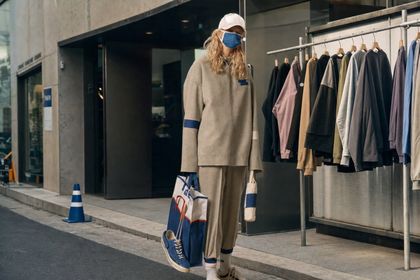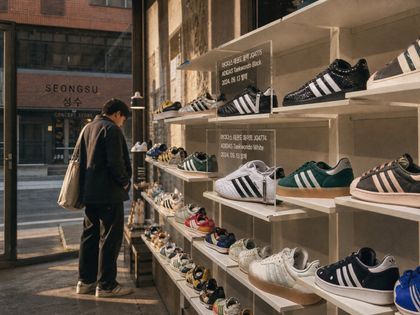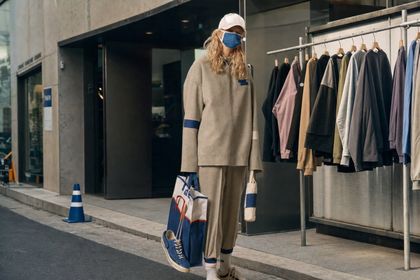
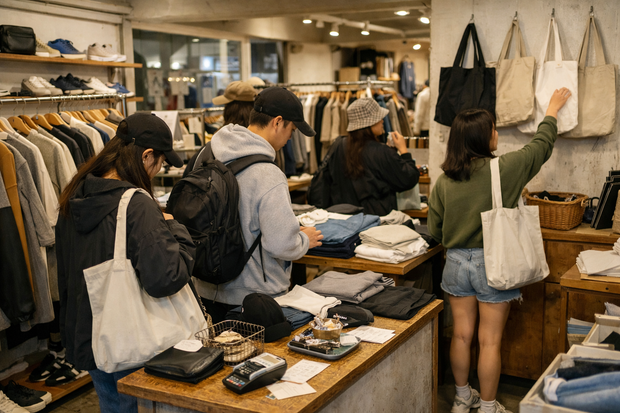
The short answer: K-POP idols wear a mix of Korean streetwear labels like Ader Error, STYLENANDA, and Chuu alongside luxury pieces, and foreign fans can buy the same brands across Seoul's fashion districts — primarily Hannam-dong for premium boutiques, Seongsu-dong for pop-ups and indie labels, and Dongdaemun for late-night wholesale and trend-driven finds.
If you've ever paused a fancam to identify the exact jacket an idol was wearing, you're not alone. Idol airport fashion accounts rack up millions of views, brand identification bots run on X (formerly Twitter) around the clock, and Korean fashion labels report measurable sales spikes within hours of an idol sighting. The phenomenon has turned Seoul into a fashion pilgrimage destination in its own right — not just for concerts, but for the clothes.
This guide maps the specific Korean fashion brands that appear most frequently in idol wardrobes and tells you exactly where in Seoul to find them. Every location includes a nearest subway station, rough price range, and practical notes for foreign visitors who may not read Korean signage. Whether you're building an idol-inspired wardrobe or just want to understand why Seongsu-dong has a new pop-up every 48 hours, the information below is current as of April.
Which Korean Fashion Brands Do K-POP Idols Actually Wear?
Quick Answer: The most commonly idol-worn Korean brands span three tiers: premium streetwear (Ader Error, We11done, MARDI MERCREDI), mid-range trend labels (STYLENANDA, Chuu, Mixxmix), and accessible basics (8Seconds, SPAO). Stylists mix these with global luxury houses, but the Korean labels are the pieces fans can realistically buy at Seoul retail prices.
Idol-worn Korean fashion refers to domestically designed brands that appear in official stage outfits, airport looks, variety show wardrobes, and idol social media posts — verified through stylist credits or brand identification accounts. Korean fashion labels popular among idol stylists span multiple price points, from premium streetwear brands like STYLENANDA, Chuu, and Ader Error to minimalist labels like 8Seconds, SPAO, and Mixxmix that offer more accessible options (source: Asian Community News,). Unlike global luxury collaborations — where an idol wears a ₩15,000,000 Chanel jacket for a single photoshoot — these Korean labels represent what fans can actually purchase and incorporate into daily outfits. Their international appeal has grown so rapidly that several Korean fashion brands recently launched dedicated storefronts on international e-commerce platforms.
Premium Korean Streetwear (₩80,000–₩500,000)
Ader Error occupies the top tier of Korean streetwear, known for oversized silhouettes, ironic graphics, and a deliberately awkward aesthetic that reads as high-concept rather than sloppy. The brand's flagship in Seongsu-dong functions as part gallery, part retail space, and visiting it is a minor experience in itself. BTS, ENHYPEN, and multiple HYBE artists have worn Ader Error pieces in both official and off-duty contexts. Expect to pay ₩150,000–₩400,000 for outerwear and ₩80,000–₩180,000 for tops.
We11done, founded by Dami Kwon (sister of G-Dragon) and Jessica Jung, bridges Korean streetwear and international fashion weeks. The brand's logo tees and oversized blazers appear regularly on BLACKPINK members and fourth-generation idol groups. Pricing sits higher — ₩200,000–₩500,000 for signature pieces — but it remains significantly more accessible than the European luxury brands idols also wear.
MARDI MERCREDI exploded in popularity through 2024–, partly driven by idol endorsements and airport sightings. Its flower-embroidered sweatshirts (₩89,000–₩139,000) became one of the most replicated items in Dongdaemun's wholesale market — a reliable sign that a brand has crossed from niche to mainstream.
Mid-Range Trend Labels (₩20,000–₩100,000)
STYLENANDA pioneered the idol-to-consumer pipeline before the term existed, building a following through bold color palettes and editorial-quality product photography that mirrored K-POP visual aesthetics. Its cosmetics offshoot, 3CE, is equally ubiquitous. A typical STYLENANDA outfit runs ₩30,000–₩80,000 per piece. Chuu occupies similar territory with a slightly younger, more playful identity — the brand's heart-logo leggings became a minor cultural phenomenon after multiple idol sightings in 2023–2024. Mixxmix rounds out this tier with Y2K-influenced pieces that photograph well under stage lighting, a practical consideration stylists actually factor into purchasing decisions.
Accessible Basics (₩10,000–₩40,000)
SPAO, operated by Eland Group, runs frequent K-POP collaborations — limited-edition lines with groups like EXO and TWICE that sell out within hours. The base pricing (₩15,000–₩39,000) makes it the most accessible entry point for idol-adjacent fashion. 8Seconds, Samsung's fashion retail brand, serves a similar function with slightly more refined basics. Both have flagship stores in Myeongdong and Hongdae that stock collaboration merchandise alongside standard lines.
| Brand | Price Range (₩) | Style Category | Where to Buy in Seoul | Notable Idol Associations |
|---|---|---|---|---|
| Ader Error | 80,000–400,000 | Premium streetwear | Seongsu-dong flagship | BTS, ENHYPEN |
| We11done | 200,000–500,000 | Luxury streetwear | Hannam-dong select shops | BLACKPINK, aespa |
| MARDI MERCREDI | 89,000–200,000 | Contemporary casual | Seongsu / Hannam flagships | IVE, NewJeans |
| STYLENANDA | 30,000–80,000 | Trend-forward | Myeongdong flagship, online | Multiple gen-3/4 groups |
| Chuu | 25,000–70,000 | Playful / Y2K | Hongdae, Myeongdong | LOONA, IVE |
| SPAO | 15,000–39,000 | Affordable basics | Myeongdong, Hongdae flagship | EXO, TWICE (collabs) |
| 8Seconds | 10,000–40,000 | Minimalist basics | Myeongdong, Gangnam | G-Dragon (former ambassador) |
Where Do Idols Shop in Seoul? A District-by-District Guide
Seoul's fashion retail geography is unusually decentralized. Unlike Tokyo (concentrated in Shibuya/Harajuku) or Paris (clustered around Le Marais and Saint-Germain), Seoul spreads its fashion identity across five or six districts, each with a distinct character, price point, and operating schedule. Understanding which district matches your budget and style preference saves significant transit time — Seoul is large, and a Hannam-dong-to-Dongdaemun round trip eats two hours even with efficient subway use. The districts below are ordered roughly from highest to lowest average price point, though each contains surprises at every tier. If you're navigating Seoul's transit system for the first time, a NAMANE Card works on all subway lines and buses, which simplifies district-hopping considerably.
Hannam-dong: Where Stylists Go for Premium Pieces
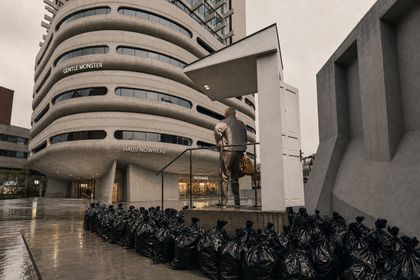
Hannam-dong functions as Seoul's quiet luxury corridor. The neighborhood sits between Itaewon and the Han River, accessible via Hangangjin Station (Line 6, Exit 3). Unlike the visual chaos of Myeongdong, Hannam-dong's fashion retail operates at a lower volume — smaller storefronts, curated selections, and prices that reflect the curation. Grove Store (66 Hannam-daero 27-gil, Yongsan-gu) is a frequently cited idol shopping destination, stocking Korean and international designers in a space that feels more gallery than retail (source: Lemon8,). Hannam-dong's appeal for idol stylists lies in exclusivity — the production runs of brands stocked here are small enough that an idol wearing a piece doesn't create the instant sell-out problem that larger retailers face (source: Michelin Guide,).
Budget roughly ₩200,000–₩600,000 per piece for the brands stocked at Hannam select shops. Tax refund is available for purchases above ₩15,000 at participating merchants — bring your passport and ask for a tax refund receipt at checkout. Detailed refund procedures are covered in the NAMANE service manual.
Seongsu-dong: Pop-Ups, Flagships, and the MZ Generation
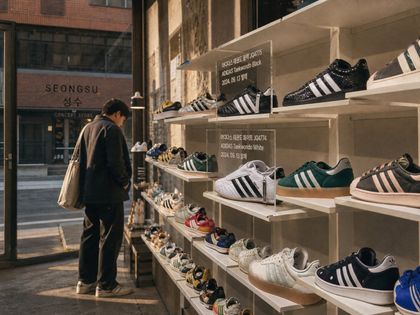
Seongsu-dong has become the epicenter of MZ-generation trends in Seoul, where new pop-up stores open daily and flagship stores regularly debut (source: Visit Seoul, 2025). The district is centered around Seongsu Station (Line 2, Exit 3 or 4) and extends along the café-lined streets toward Seoul Forest. For fashion visitors, the key draw is the concentration of brand pop-ups — temporary retail installations that run anywhere from one weekend to three months, often tied to K-POP collaborations or product launches.
The November 2024 opening of Olive Young N Seongsu — a massive 1,400-pyeong (approximately 4,628 square meters) beauty and indie brand destination — cemented Seongsu's status as a fashion and beauty pilgrimage site. The store features multiple floors with distinct concepts and curated scents, bringing Korea's indie beauty brands together under one roof. IVE's Jang Wonyoung's beauty device pop-up at a nearby location drew lines that wrapped around the block, with its pink-wrapped facade visible from the main street. Visiting Seongsu on a weekday morning (10:00–12:00) avoids the worst crowds; weekends after 14:00 involve queuing for most popular pop-ups.
Dongdaemun: Late-Night Fashion and Wholesale Markets
Dongdaemun functions as the engine room of Korean fashion production and retail (source: Michelin Guide,). The district operates on a schedule foreign visitors rarely expect: wholesale markets like Pyeonghwa Market and New Pyeonghwa Market open around 20:00 and run until 05:00 the following morning, while retail malls like Doota and Migliore Dongdaemun keep more conventional (but still late) hours. The Dongdaemun Design Plaza (DDP), the Zaha Hadid-designed architectural landmark, anchors the area and hosts Seoul Fashion Week events, making it the symbolic center of Korean fashion infrastructure.
For idol-fashion seekers, Dongdaemun's value lies in trend speed. When a brand like MARDI MERCREDI produces a viral piece, Dongdaemun's manufacturers produce inspired alternatives within days — not exact counterfeits, but designs that capture the same silhouette and color palette at one-fifth the price. A ₩130,000 branded sweatshirt has a ₩25,000 Dongdaemun equivalent by the following week. The tradeoff is quality and ethical ambiguity, but for budget-conscious visitors, the economics are compelling. Access via Dongdaemun History & Culture Park Station (Lines 2, 4, 5).
Dongmyo Flea Market: Vintage and Idol-Endorsed Streetwear
Just beyond the Dongdaemun perimeter, Dongmyo Flea Market (동묘벼룩시장 / Dongmyo Byeorukshijang) has transformed from a neighborhood secondhand market into a fashion reference point. The market gained international attention when avant-garde designer Kiko Kostadinov praised it on Instagram, highlighting "grandpa core" styles, and entered pop-culture lore when G-Dragon made a surprise appearance there, photographed browsing vintage military jackets (source: Michelin Guide,). Dongmyo Station (Line 1/6, Exit 3) drops you within a two-minute walk. Prices start at ₩3,000 for basic items and rarely exceed ₩30,000 even for standout vintage pieces. Cash is king — many vendors don't accept cards.
Myeongdong and Hongdae: Accessible Idol Fashion for First-Time Visitors
Myeongdong remains the default fashion district for international visitors because of its concentration of familiar retail (SPAO, 8Seconds, STYLENANDA flagship, H&M, ZARA) and its proximity to major hotels. For idol-specific shopping, the SPAO Myeongdong flagship stocks current K-POP collaboration lines, and the STYLENANDA Pink Hotel — a multi-story retail concept store — remains one of the most photographed shopping destinations in Seoul. Hongdae (Hongik University Station, Line 2, Exit 9) offers a younger, more streetwear-oriented version of the same accessibility, with independent boutiques lining the streets between the main drag and Yeonnam-dong. Both districts accept cards universally, and most staff speak basic English or have translation apps ready.
How Has K-POP Changed Korean Fashion Retail?
The relationship between K-POP and Korean fashion is not new, but its commercial mechanics have transformed dramatically since the early 2010s. When G-Dragon's 2012 Coup d'Etat era drove interest in Korean streetwear, the discovery pipeline was slow — fans identified brands through magazine interviews published weeks after shoots, and purchasing from outside Korea required forwarding services and Google Translate. By, the pipeline operates in near-real-time: AI-powered brand identification accounts on X tag specific items within minutes of an airport photo, and Korean e-commerce platforms like Musinsa and W Concept ship internationally with English interfaces.
Current idol styling has shifted toward what industry observers call Eco-Futurism — K-POP stylists increasingly prioritize sustainable brands using recycled materials, lab-grown leather, and ocean-plastic polyester (source: The Apparel Factory,). Liquid metallic finishes have become a stage-styling staple, particularly for comeback stages where visual impact drives social media engagement. This shift reflects a broader change in what K-POP fans expect from the artists they follow — environmental consciousness has moved from a nice-to-have to a baseline expectation, particularly among Gen Z international fans who track brand ethics as closely as they track comeback dates.
The commercial impact is measurable. When BTS's comeback in early incorporated hanbok-inspired pieces from Korean designers, Seoul shops in the Insadong and Bukchon areas reported sharp increases in hanbok rental and purchase inquiries from international visitors. The Korea JoongAng Daily documented how ARMY members dressed in "hanbok-chic" styles, prompting shops to stock modern hanbok pieces specifically marketed toward international fans (source: Korea JoongAng Daily, -03). This pattern — idol wears it, fans buy it, retailers adjust inventory — now operates as a reliable economic cycle that Seoul's fashion districts have learned to anticipate and capitalize on.
| Shopping District | Nearest Subway | Price Range (₩) | Best For | Operating Hours |
|---|---|---|---|---|
| Hannam-dong | Hangangjin (Line 6) | 200,000–600,000 | Premium / select shops | 11:00–20:00 |
| Seongsu-dong | Seongsu (Line 2) | 30,000–300,000 | Pop-ups, flagships, beauty | 11:00–21:00 (varies by pop-up) |
| Dongdaemun (retail) | Dongdaemun History (Lines 2/4/5) | 15,000–80,000 | Trend pieces, night shopping | 10:30–05:00 (wholesale from 20:00) |
| Dongmyo Flea Market | Dongmyo (Line 1/6) | 3,000–30,000 | Vintage, streetwear finds | 10:00–18:00 (best before 14:00) |
| Myeongdong | Myeongdong (Line 4) | 15,000–100,000 | K-POP collabs, flagships | 10:00–22:00 |
| Hongdae | Hongik Univ. (Line 2) | 10,000–80,000 | Streetwear, indie boutiques | 12:00–22:00 |
How to Buy Idol-Worn Fashion as a Foreign Visitor
Purchasing idol-worn Korean fashion in Seoul as a foreigner involves fewer barriers than most guides suggest, but a few friction points are worth preparing for. The biggest practical challenge isn't language — it's payment. Many smaller boutiques and all Dongdaemun wholesale vendors prefer Korean payment methods (KakaoPay, Naver Pay) or cash. International credit cards work at flagship stores and malls, but carrying a reloadable Korean prepaid card or backup cash eliminates the awkward moment when a card reader rejects a foreign Visa.
Step-by-Step: From Idol Sighting to Purchase
- Identify the brand. Use X (Twitter) accounts like @idol_fashion_kr or search "[idol name] airport fashion" on Instagram. Most items get identified within 24 hours of an appearance.
- Check Korean availability. Search the brand name on Musinsa (musinsa.com) or W Concept (wconceptkorea.com) — both have English interfaces and show which items are in stock at Seoul retail locations.
- Visit the district. Use the table above to match the brand to a Seoul neighborhood. For premium brands, Hannam-dong and Seongsu-dong are most reliable. For budget alternatives, Dongdaemun night markets carry trend-adjacent pieces.
- Claim your tax refund. Purchases above ₩15,000 at tax-refund-participating stores qualify. Present your passport at checkout, receive a tax refund receipt, and process the refund at Incheon Airport before departure. Refund rates range from 5–7% depending on purchase amount.
- Ship or carry. Most flagship stores offer international shipping for an additional fee (typically ₩15,000–₩30,000 for standard parcels to North America or Europe). For immediate gratification, Korean fashion packaging is compact enough that a day's shopping usually fits in a standard carry-on.
Online Alternatives for Items You Can't Find In-Store
If a specific idol-worn piece is sold out in Seoul retail — which happens frequently with limited collaboration items — three online platforms serve international buyers reliably. Musinsa Global ships to 30+ countries with English-language customer service. W Concept specializes in Korean contemporary designers and runs periodic international free-shipping promotions. SSF Shop (Samsung Fashion) stocks 8Seconds and higher-end Samsung-affiliated brands. All three accept international credit cards and provide tracking. Avoid reseller platforms like the idol outfit listings on general marketplace sites (source: Etsy,) unless you're comfortable with markup pricing — resellers typically charge 150–300% of Korean retail for verified idol-worn pieces.
What Are the Biggest Korean Fashion Trends Idols Are Driving?
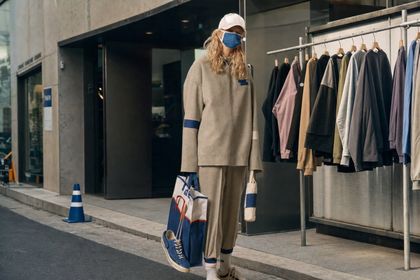
K-POP fashion trends operate on two parallel tracks: stage styling (designed for cameras and performance lighting) and off-duty fashion (what idols actually wear between schedules). Stage styling currently emphasizes Liquid Metallic finishes — reflective fabrics in silver, chrome, and iridescent purple that catch arena lighting and create the visual texture fans expect from comeback stages. Off-duty fashion has swung toward sustainability-conscious minimalism, with idols increasingly photographed in brands that emphasize recycled materials and transparent supply chains.
The Eco-Futurism trend is the most commercially significant shift. K-POP stylists are prioritizing sustainable brands using recycled materials, lab-grown leather, and ocean-plastic polyester, reflecting that K-POP fans represent some of the world's most environmentally conscious consumers (source: The Apparel Factory,). Korean brands like PLEATSMAMA (recycled knit bags), KANANA (upcycled denim), and RE;CODE (repurposed factory deadstock) have all appeared in idol wardrobes during the first quarter of.
The hanbok-chic (한복시크) movement represents a distinctly Korean fashion moment. Following BTS's comeback styling that incorporated modernized hanbok elements, international fans began seeking out contemporary hanbok pieces — not traditional rental costumes, but modern interpretations with hanbok-inspired collars, jeogori silhouettes, and baji-style wide-leg trousers made from contemporary fabrics. Seoul shops in tourist-heavy areas like Insadong and Bukchon responded by expanding their modern hanbok inventory, with some stores reporting that foreign visitor purchases of modern hanbok pieces tripled between January and March (source: Korea JoongAng Daily, -03).
Frequently Asked Questions
Can I buy the exact same clothes K-POP idols wear in Seoul?
Yes, for Korean brands — items from Ader Error, MARDI MERCREDI, STYLENANDA, SPAO, and similar labels are available at their Seoul flagships and on Korean e-commerce platforms like Musinsa. For global luxury brands (Chanel, Dior, Saint Laurent), idols often receive custom or pre-release pieces not available at retail. The Korean-brand pieces are the realistic targets for fan purchases.
How much should I budget for a day of idol-fashion shopping in Seoul?
Budget ₩100,000–₩300,000 (approximately $75–$225 USD) for a productive day of mid-range Korean fashion shopping in Myeongdong or Hongdae. Premium shopping in Hannam-dong or Seongsu-dong runs ₩300,000–₩800,000. Dongdaemun night-market shopping can yield a full outfit for under ₩80,000. Factor in ₩15,000–₩20,000 for subway transit between districts if you plan to visit multiple areas.
Do Seoul fashion stores accept foreign credit cards?
Flagship stores, department stores, and chain retailers (SPAO, 8Seconds, Olive Young) accept Visa and Mastercard universally. Smaller boutiques in Hannam-dong and Seongsu-dong are mixed — some accept only Korean payment apps like KakaoPay or Naver Pay. Dongdaemun wholesale vendors overwhelmingly prefer cash. Carrying a Korean prepaid card for foreigners provides a reliable backup for stores that reject foreign-issued credit cards.
Is Dongdaemun safe to visit at night as a foreign tourist?
Dongdaemun's night markets are well-lit, heavily trafficked, and monitored by CCTV. The area operates as a major commercial hub — not a quiet backstreet. Thousands of shoppers, including Korean families and couples, fill the markets between 22:00 and 03:00 on weekends. Standard urban precautions apply (watch your belongings in crowds), but the area is considered safe by Seoul standards, which are already among the highest globally for major cities.
How do I find K-POP pop-up stores in Seongsu-dong?
Pop-up schedules change weekly. The most reliable method is checking the Visit Seoul English website, which maintains an updated events calendar, or following @seongsu_popup on Instagram. Walk the main strip from Seongsu Station Exit 3 toward Seoul Forest — most pop-ups cluster along Seongsui-ro and the perpendicular side streets. Weekday mornings (10:00–12:00) avoid the worst queues.
Can I get a tax refund on fashion purchases in Korea?
Foreign visitors on tourist visas can claim a tax refund on purchases of ₩15,000 or more per transaction at participating stores. Look for the "Tax Free" or "Tax Refund" sign at the entrance. Present your passport at checkout to receive a refund receipt, then process the refund at the automated kiosks in Incheon Airport's departure area before your flight. The refund is typically 5–7% of the purchase price, processed as cash or credited to your card.
What is the best district for budget idol-fashion shopping?
Dongdaemun offers the lowest prices for trend-driven pieces that mirror idol styling, with most items priced between ₩10,000 and ₩40,000. Hongdae's independent boutiques offer slightly higher quality at ₩20,000–₩60,000. For the specific branded pieces idols actually wear (not alternatives), SPAO and 8Seconds in Myeongdong provide the most affordable authentic options, with base pieces starting at ₩10,000 and collaboration items rarely exceeding ₩50,000.
Bringing It All Together
Seoul's idol-fashion shopping landscape rewards preparation. The difference between a satisfying shopping trip and a frustrating one usually comes down to three things: knowing which district matches your budget, arriving at the right time of day (Dongdaemun after 21:00, Seongsu before noon, Hannam anytime), and carrying a payment method that works everywhere. The brands themselves are the easy part — Korean fashion labels have made their products remarkably accessible to international buyers, both in-store and online.
What makes Seoul shopping genuinely different from buying Korean brands online is the discovery layer. Pop-up stores in Seongsu-dong, vintage finds at Dongmyo, and the curated surprises at Hannam-dong's select shops surface pieces you wouldn't encounter through algorithmic recommendations. The city's fashion districts function as a physical feed — constantly updating, occasionally surprising, and best experienced by walking through them with open peripheral vision. A transit card like NAMANE and comfortable shoes will carry you between districts efficiently, but leave room in your schedule for the unplanned stop.
Korean fashion's global moment is not a temporary spike. The infrastructure connecting K-POP idols to fashion brands to international consumers has become a self-reinforcing system — idols wear it, fans identify it, brands produce more, retailers stock it for foreign visitors. If you're visiting Seoul, the fashion shopping is worth scheduling with the same intention you'd bring to a concert or a restaurant reservation. The pieces are there. The question is just which district to start in.
Last updated: 2026-04-30. This guide is reviewed and refreshed when official sources (Visit Seoul, KTO, Michelin Guide Korea, brand flagships) update their information.
Related Articles
- Korean Department Store Tax Refund: Lotte, Shinsegae & Hyundai Guide
- I asked my VVIP member wife! 9 Recommended Cosmetics & Snacks You Should Buy at the Olive Young SALE
- Olive Young Recommendations (2024 ver.) Skincare, Cosmetics, Food, Tools & Mask Packs & Hair Products
- A Complete Guide to Trending Hairstyles in Korea in 2023 — What About 2024?
This article was written using information collected and analyzed by NAMANE's in-house K-pop research AI engine. We use AI technology to bring you faster, broader coverage, and in the process some details may occasionally differ from the latest facts. For important information such as dates, venues, and prices, please double-check with official sources.