The Francophone–Seoul Connection: How Hallyu Reached French-Speaking Fans
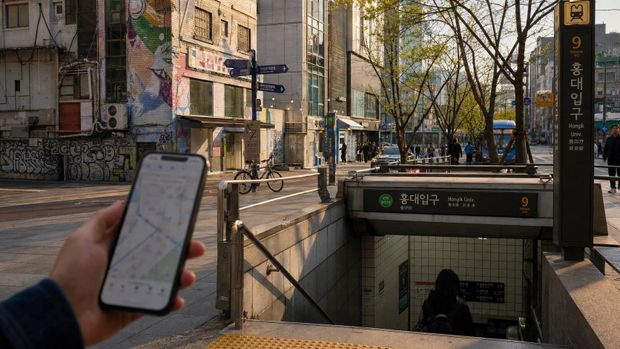
Seoul's emergence as a destination for French-speaking travellers is inseparable from three compounding cultural forces: K-drama, K-pop, and K-beauty. South Korea's capital — a city of 9.5 million residents and the country's political, economic, and cultural heart — became a reference point for francophone audiences through a decade-long accumulation of entertainment exports that each reinforced the others. K-drama introduced Korean daily life in emotional, narrative terms; K-pop built fan communities willing to travel internationally for concerts and events; K-beauty converted aesthetic interest into purchasing habits that created ongoing commercial ties between European consumers and Korean manufacturers. According to Hello la Corée, Seoul is the undisputed anchor of South Korea's global cultural influence — a metropolis that draws francophone visitors who arrive already fluent in Korean popular culture through years of dedicated consumption. The result is a francophone–Seoul ecosystem that extends well beyond tourism: Swiss K-beauty e-commerce, Korean restaurants in Paris, and Seoul-based agencies staffed by Franco-Korean teams.
Quick Answer: Seoul — a city of 9.5 million residents — has become a primary destination for French-speaking K-POP fans, driven by K-drama, K-pop, and K-beauty working in tandem. Dedicated francophone agencies in Seoul, Swiss K-beauty retailers shipping across Europe, and Korean restaurants in Paris form a complete planning ecosystem for fans at every stage of their Korean Wave journey.
What distinguishes this relationship from generic tourism interest is its self-reinforcing structure. A francophone fan's engagement with Korea rarely begins with a travel booking. It typically starts with a streaming drama or a concert clip, moves into purchasing Korean skincare products, then attends a K-pop show in Paris or Brussels, and eventually reaches the point of planning a Seoul trip. Each phase deepens investment in Korean culture and increases the likelihood of the next. The infrastructure that grew up around this progression is specific and functional: French-language Seoul neighbourhood guides, bespoke tour agencies that accommodate concert scheduling, and European shipping options for authentic Korean skincare.
Seoul's 2026 calendar is already drawing francophone fan attention. Seoul POPCON (August 14–16, 2026) and the Seoul Winter Festival (December 14, 2026–January 31, 2027) are among the headline events drawing international visitors, according to Seoul's official events calendar. For French-speaking fans who have followed Korean artists from a distance, these events provide concrete scheduling anchors around which to build a first or return visit — and the francophone travel ecosystem is well-positioned to support that planning at every step.
French-Language Travel Agencies in Seoul: Corée Voyage and Tour de Corée
Two dedicated travel agencies operating in Seoul serve the French-speaking market with Franco-Korean staff and locally grounded expertise. Corée Voyage, located at 26 Jandari-ro 7-an-gil #301, Mapo-gu, Seoul (04034) and founded around 2007, describes itself as the "precursor of Francophone tourism in Korea" — a positioning that reflects nearly two decades of specialised operation in a niche that barely existed when the agency launched. Tour de Corée, based at the Geumgang Plaza Building (135 Geumnanghwa-ro, Seoul 07510), has operated for over ten years and claims more than 1,000 successfully managed travellers. For K-pop fans whose Seoul itinerary must flex around concert announcements and venue logistics — which in Korea can shift with relatively short notice — access to a locally embedded, French-speaking agency with real-time knowledge of Seoul's entertainment geography is a material advantage over remote self-guided booking. Both agencies offer tailor-made services, but their structures differ: Corée Voyage leans toward small-group tour circuits with set departures, while Tour de Corée builds fully bespoke itineraries around the individual traveller's schedule, as reflected in their respective profiles on TripAdvisor.
"Precursor of Francophone tourism in Korea, our Franco-Korean team is committed to responsible travel and personalised experiences that reach beyond the standard tourist route." — Corée Voyage, Mapo-gu, Seoul (founded ~2007)
Corée Voyage's product range is tiered by travel style. The flagship "Incontournables" 10-day introductory circuit is designed for first-time visitors seeking a structured, guided overview of the country. The "Autotour" self-drive option appeals to independent travellers who want flexibility without a tour group. For K-pop fans, the fully customised itinerary service is the most relevant: the Franco-Korean team builds programs with concert attendance at the centre, weaving cultural visits, gastronomy, and entertainment-district time around confirmed event dates. The agency holds a 5.0/5 rating across 53+ Seoul TripAdvisor listings, with reviewers consistently citing personalised service and Franco-Korean cultural fluency as key differentiators.
📍 서울특별시 잔다리로7안길 26
🕒 월요일–금요일 오전 10:00 ~ 오후 8:00 / 토요일–일요일 휴무일
⭐ 4.9 (84 리뷰)
📞 02-326-0511
🔗 Google Maps에서 보기
Tour de Corée extends into experiences that set it apart: cooking classes, hiking expeditions, and themed day excursions complement its core tailor-made travel offering. Its active presence on TikTok, Pinterest, Instagram, Facebook, and LinkedIn reflects a marketing strategy calibrated to younger fans who discover travel options through the same social channels they use for K-pop content. A practical point for European bookers: Tour de Corée operates Monday–Friday, 9:00 AM–5:00 PM Seoul time (+82 10-5351-5005), meaning fans in Central European Time are typically working a 7–9 hour time difference when communicating live. The agency's full profile is available through TripAdvisor's Tour de Corée listing and at tourdecoree.fr.
📍 View Tour de Corée on Google Maps
| Agency | Location (Seoul) | Est. | Tour Styles | Signature Offerings | Contact | Rating |
|---|---|---|---|---|---|---|
| Corée Voyage | 26 Jandari-ro 7-an-gil #301, Mapo-gu, Seoul 04034 | ~2007 | Small group (GIR), Autotour self-drive, Bespoke | "Incontournables" 10-day circuit; Franco-Korean team; responsible travel ethos | +82 2-326-0511 / contact@coreevoyage.com | 5.0/5 (53+ TripAdvisor listings) |
| Tour de Corée | Geumgang Plaza Bldg, 135 Geumnanghwa-ro, Seoul 07510 | 10+ years operating | Tailor-made, Group tours, Day excursions | Cooking classes, hiking expeditions, 1,000+ travellers managed | +82 10-5351-5005 (Mon–Fri 9am–5pm KST) | TripAdvisor listed; active on TikTok, Instagram, Pinterest |
Seoul Neighbourhoods on Every Francophone Fan's Itinerary
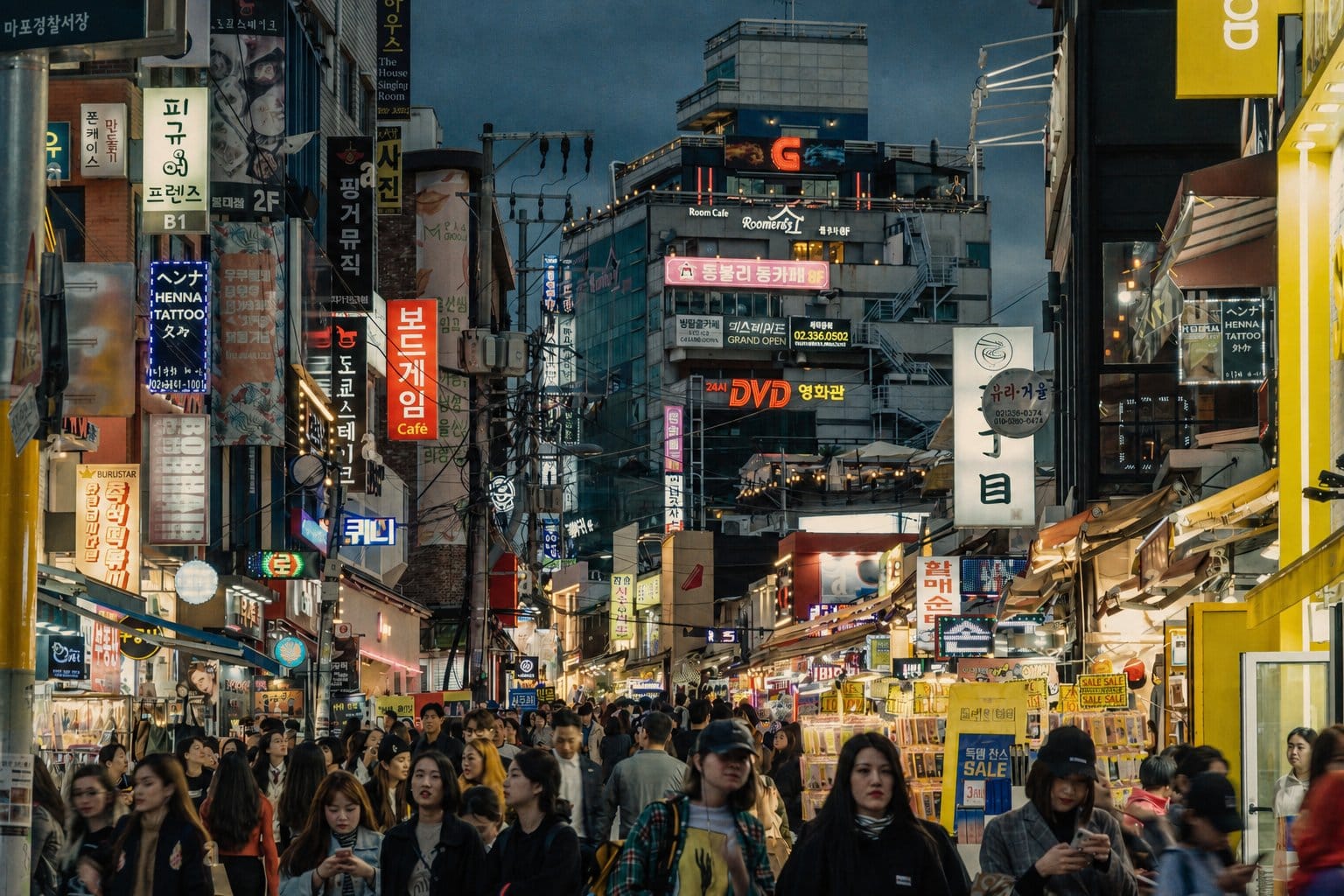
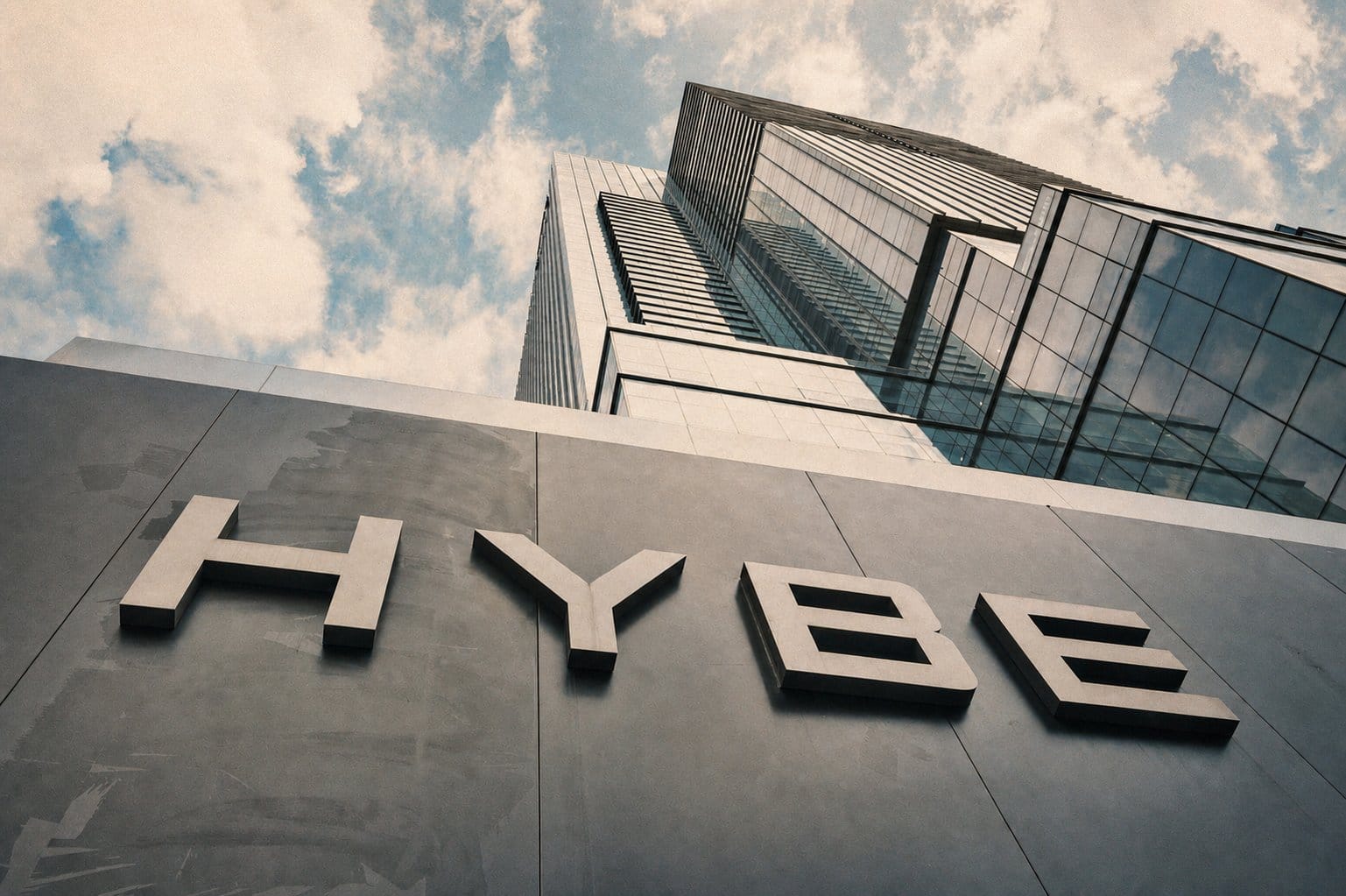
Seoul's districts divide into distinct zones of interest for the K-pop fan arriving from a French-speaking country, and the neighbourhoods that appear most consistently in francophone travel content reflect the layered nature of the Korean Wave experience. Hongdae, in western Seoul, is the default starting point for first-time fan visitors: its street performance tradition, high density of idol merchandise shops, and underground live music venues create an environment that feels simultaneously accessible and authentically Korean. Myeongdong, in central Seoul, is the K-beauty retail capital — a pedestrianised strip where skincare shops stack products floor-to-ceiling and large-format idol advertising billboards line the upper storeys of every major building. Gangnam, south of the Han River, carries a different weight: as the location of SM Entertainment, YG Entertainment, and HYBE offices, the district gives fans a sense of proximity to the industry behind the music they follow. Beyond the entertainment geography, francophone travel writing consistently features Bukchon Hanok Village, Insadong, and Ikseon-dong as cultural counterpoints — historic and artisanal districts that provide depth, according to Les Grandes Évasions' Seoul district guide.
Hongdae's appeal for K-pop fans extends beyond merchandise. The neighbourhood's long-established street performance culture means that on any given weekend afternoon, aspiring artists occupy public spaces — a tradition that predates the mainstream industry and continues to define the area's creative energy. Small live venues here occasionally feature emerging acts at an intimate scale unavailable once those artists graduate to arena tours. Merchandise shops in Hongdae's side streets carry catalogue items, photocard sets, and fan-made goods that official stores near major concert venues typically don't stock, making the neighbourhood a dedicated destination for collectors.
Myeongdong's significance extends beyond retail. The neighbourhood functions as a live visual index of the entertainment industry's commercial relationships: the same idols who headline concert arenas appear on multi-storey advertising banners above the shops selling the skincare brands they endorse. Foot traffic is among the highest per block in central Seoul, making weekday afternoons the practical choice for visitors who want to browse rather than navigate weekend congestion. Gangnam adds a further dimension — the K-pop café culture clustering around entertainment label offices provides fan meeting points, artist-themed menus, and spaces where collector culture is the primary social activity of the visit.
Bukchon Hanok Village, Insadong, and Ikseon-dong serve as the cultural ballast of a Seoul itinerary otherwise weighted toward commerce and entertainment. Bukchon's preserved Joseon-era architecture — familiar to many fans from drama filming locations — places contemporary K-pop in deeper historical perspective. Insadong's galleries and antique shops, and Ikseon-dong's renovated hanok converted into cafés and boutiques, provide the quieter, more contemplative dimension of Seoul that French travel writing has long emphasised alongside the more kinetic fan experiences of Hongdae and Myeongdong.
📍 서울특별시 마포구 서교동 365-9
🕒 매일 오전 11:00 ~ 오후 9:00
⭐ 4.3 (10,073 리뷰)
🔗 Google Maps에서 보기
| Neighbourhood | Primary Appeal for K-POP Fans | Key Features | Practical Tip |
|---|---|---|---|
| Hongdae | Idol merchandise, underground music, street performances | Fan merch shops, indie live venues, weekend street artists | Afternoons and evenings for street performers; weekdays for quieter shopping |
| Myeongdong | K-beauty retail, entertainment billboard advertising | High-density skincare shops, idol brand campaigns, street food | Weekday afternoons to avoid peak weekend foot traffic |
| Gangnam | K-pop label proximity, fan café culture, upscale merch | SM/YG/HYBE office buildings, artist-themed cafés, collector culture | Morning café visits before afternoon crowds build |
| Bukchon Hanok Village | Drama filming locations, traditional Korean architecture | Joseon-era hanok, heritage walks, photography spots | Early morning for fewer crowds and better light conditions |
| Insadong / Ikseon-dong | Cultural depth, artisan crafts, heritage café scene | Galleries, antiques, renovated hanok converted to cafés and boutiques | Weekend afternoons when galleries and shops are fully open |
K-Beauty for the French-Speaking World: Seoul Shopping and European Delivery
K-beauty — the shorthand for Korean skincare and cosmetics — occupies a distinct and functional place in the francophone fan's relationship with Seoul. During a city visit, Myeongdong is the primary physical discovery hub: a neighbourhood where sheet masks, essences, and cushion foundations are stacked floor-to-ceiling in shops open until midnight and where product consultations happen at the counter without an appointment. For French-speaking fans who cannot travel to Seoul, or who want to maintain their Korean skincare routine after returning home, Coree Beauty (coreebeauty.com), based in Switzerland, provides a reliable European bridge. The platform stocks 100% authentic Korean products sourced from Seoul-based manufacturers, offers free delivery from 39 CHF within Switzerland and across Europe, and holds an "Excellent" rating of 4.95/5 from more than 5,135 verified customers, according to Coree Beauty. The connection between K-pop concert attendance and K-beauty purchasing is well-established in fan communities: idols endorse skincare brands as part of their public image, and fans who attend concerts in European capitals regularly convert that exposure into product purchases through platforms like Coree Beauty.
"100% authentic Korean skincare, trusted by over 5,135 customers across Europe — bringing the Seoul beauty experience to francophone audiences who can't make it to Myeongdong directly." — Coree Beauty, Switzerland
Coree Beauty's bestseller — the Dr. Althea 345 Relief Cream — illustrates how idol association shapes European K-beauty purchasing patterns. Products that gain recognition through visible artist endorsement or fan community discussion create ongoing demand from European consumers who first encountered them through K-pop content rather than conventional beauty marketing. For fans planning a Seoul trip, browsing Coree Beauty's catalogue before visiting Myeongdong allows travellers to identify specific products for in-person evaluation and sampling, making the shopping experience more targeted rather than exploratory.
Travel agencies like Corée Voyage and Tour de Corée routinely incorporate Myeongdong shopping sessions into their Seoul programs, recognising that K-beauty retail is as central to the francophone fan's visit as any cultural or heritage site. The neighbourhood carries limited-edition items and seasonal collections that European retailers receive with a delay, so in-person Myeongdong shopping remains a genuine discovery experience even for fans already familiar with the Korean skincare landscape through European e-commerce. The overlap between K-pop fandom and K-beauty engagement is not incidental — both are expressions of investment in Korean aesthetic culture, and Seoul is where both experiences are available in their fullest form.
Korean Cuisine in Paris: Restaurant Coréen Seoul Opéra
Restaurant Coréen Seoul Opéra, situated in Paris's Louvre and Palais-Royal district, brings Korean flavours to one of the French capital's most accessible and heavily trafficked central neighbourhoods. For K-pop fans attending events at Paris venues, the restaurant's location makes it a practical dining option before or after shows — a point of cultural continuity between the Korean entertainment drawing fans to Paris and the culinary traditions of the country behind that entertainment. The establishment's presence in this part of the city reflects a broader pattern: as K-drama and K-pop fandom expanded in France throughout the 2010s and into the 2020s, Korean restaurant culture moved from a niche offering in the 13th arrondissement's established Korean community into central districts where foot traffic from entertainment and tourist activity is highest. Reviews and images for the restaurant are available through its TripAdvisor listing, where it represents the culinary export dimension of Seoul's deepening engagement with francophone Europe.
📍 5 Rue Danielle Casanova, 75001 Paris, 프랑스
⭐ 4.3 (916 리뷰)
📞 01 42 86 10 40
🔗 Google Maps에서 보기
Dining as cultural practice plays a meaningful role in a fan's progression toward Seoul travel. French fans who encounter Korean food through Paris restaurants are engaging with a sensory dimension of Korean culture that music videos and dramas cannot fully convey. Fermented flavours, communal table formats, and the ritual of banchan — the small side dishes that frame every Korean meal — create a reference point that makes the Seoul restaurant experience recognisable on arrival rather than unfamiliar. For a fan planning their first trip, having already eaten bibimbap or doenjang jjigae in Paris reduces the cultural distance to Seoul's food scene and makes the culinary dimension of the visit feel like continuation rather than discovery.
"Korean food in Paris is increasingly where the Seoul relationship begins — a restaurant meal after a concert gives fans a sensory introduction to Korean culture that deepens what started with a song or a drama episode," reflects a pattern observed consistently across K-pop fan travel communities in francophone Europe (source: TripAdvisor, Restaurant Coréen Seoul Opéra). The growth of Korean dining in Paris also reflects the commercial maturation of Hallyu in France: concert promoters who bring K-pop acts to Paris's Accor Arena operate in a city where Korean cultural infrastructure — restaurants, beauty retailers, cultural centres — has expanded enough to support a full Korean cultural experience without departing French soil.
French-Language Resources and Trip Planning: Where to Start
For French-speaking fans planning a Seoul trip — particularly one structured around a K-pop concert or comeback event — the quality of French-language planning resources has improved considerably over the past decade. Hello la Corée (hellolacoree.com) stands as the leading French-language digital platform for South Korea content, with its Seoul section covering 12 major neighbourhoods in granular detail. Jongno-gu, Hongdae, Gangnam, Myeongdong, and Seongdong-gu are among the districts mapped alongside practical logistics: Incheon Airport arrival procedures, metro navigation, accommodation zone selection, and seasonal event guidance calibrated to K-pop release cycles and concert seasons. The platform's tagline — "Blog sur la Corée du Sud — Voyage, k-beauty, apprendre le coréen" — signals its tri-part focus that mirrors the progression of a committed K-pop fan: travel research, beauty product discovery, and Korean language acquisition, according to Hello la Corée's Seoul guide. For fans who have followed Korean artists for years but have not yet visited Seoul, Hello la Corée provides the research infrastructure to move from interest to itinerary.
The choice between booking through a Seoul-based francophone agency and planning independently depends primarily on the flexibility a fan needs around their concert date. Fans whose visit is anchored to a single confirmed show with fixed arrival and departure may find standard booking platforms sufficient for accommodation and transport. Fans building a longer, more complex itinerary — incorporating concert attendance alongside cultural immersion, food exploration, or multiple shows — benefit from the local expertise that Corée Voyage and Tour de Corée provide. Both agencies understand Seoul's entertainment geography at a level that remote planning cannot replicate: which venue locations require advance transport planning, how fan activity reshapes neighbourhood dynamics before major shows, and how Korean-language ticketing platforms work for international buyers.
Tour de Corée's active social presence on TikTok, Pinterest, and Instagram makes it naturally discoverable through the platforms younger fans use for travel research. Corée Voyage's strong TripAdvisor profile appeals to fans who prioritise documented reviews from verified previous travellers. Hello la Corée's long-form blog format suits fans who want comprehensive structured reading before committing to a booking. Together, these resources form a coherent French-language planning infrastructure covering the full journey from initial inspiration through to in-Seoul logistics — a practical toolkit that did not exist in this form a decade ago and that reflects how seriously the francophone K-pop audience has engaged with Seoul as a destination.
Frequently Asked Questions
Are there French-speaking travel agencies based in Seoul?
Yes — two established agencies operate in Seoul specifically for French-speaking travellers, both with Franco-Korean staff and local expertise. Corée Voyage (26 Jandari-ro 7-an-gil #301, Mapo-gu, Seoul; +82 2-326-0511; contact@coreevoyage.com) has been operating since approximately 2007 and holds a 5.0/5 rating on TripAdvisor across 53+ Seoul listings. Tour de Corée (Geumgang Plaza Building, 135 Geumnanghwa-ro, Seoul 07510; +82 10-5351-5005) has managed over 1,000 travellers across more than 10 years, offering tailor-made trips, cooking classes, and hiking expeditions. Both agencies accommodate K-pop concert-adjacent scheduling, making them well-suited to fans whose Seoul visit is structured around confirmed live event dates.
Which Seoul districts do francophone K-POP fans visit most?
French-language Korea travel content consistently highlights four main areas. Hongdae (western Seoul) is the preferred fan district for first-time visitors, noted for idol merchandise shops, street performances, and underground music venues. Myeongdong (central Seoul) is the K-beauty retail hub, with high-density skincare shops and large-format idol brand advertising billboards. Gangnam (south of the Han River) attracts fans interested in the entertainment industry, with SM Entertainment, YG Entertainment, and HYBE all present in the district alongside artist-themed cafés and collector culture. Cultural neighbourhoods — Bukchon Hanok Village, Insadong, and Ikseon-dong — appear regularly in francophone travel writing as historically significant counterpoints to the entertainment-focused zones, and are particularly recognisable to fans who have watched Korean dramas filmed in traditional hanok settings.
Can I buy authentic Korean skincare in Europe without travelling to Seoul?
Yes. Coree Beauty (coreebeauty.com), based in Switzerland, stocks 100% authentic Korean skincare sourced directly from Seoul-based manufacturers and ships across Switzerland and Europe with free delivery from 39 CHF. The platform holds an "Excellent" rating of 4.95/5 from over 5,135 verified customers. Bestselling products include the Dr. Althea 345 Relief Cream, which has strong recognition within K-pop fan communities through idol association. Coree Beauty provides a reliable European option for fans who want to explore Korean skincare before a Seoul visit or maintain their routine after returning home.
Is there a French-language website covering Seoul travel and K-beauty?
Hello la Corée (hellolacoree.com) is the leading French-language platform for South Korea content. Its Seoul section covers 12 major neighbourhoods with detailed district guides, alongside practical logistics for Incheon Airport arrivals, metro navigation, accommodation zones, and seasonal event planning. The platform also covers K-beauty product guides and Korean language learning resources — making it useful for fans at any stage of engagement with Korean culture, from initial curiosity to active trip planning with a confirmed concert date.
Where can French K-POP fans eat Korean food in Paris?
Restaurant Coréen Seoul Opéra, located in Paris's Louvre and Palais-Royal district near the Opéra, is a well-reviewed Korean restaurant in central Paris. Its location near major entertainment venues makes it a practical dining option before or after K-pop events in the French capital. The restaurant is part of a broader expansion of Korean dining in Paris that has accompanied the growth of K-drama and K-pop fandom in France over the past decade. Reviews and photos are available on its TripAdvisor listing.
Planning a Seoul Visit: What the Francophone Ecosystem Makes Possible in 2026
The practical infrastructure available to French-speaking K-pop fans planning a Seoul visit in 2026 is more developed than at any previous point. Seoul POPCON (August 14–16, 2026) and the Seoul Winter Festival (December 14, 2026–January 31, 2027) provide concrete scheduling anchors for international fans, according to Seoul POPCON's official site and Seoul's official events calendar. Around those dates, the francophone planning ecosystem — Hello la Corée for neighbourhood research, Corée Voyage or Tour de Corée for agency-assisted itinerary construction, Coree Beauty for European K-beauty access, and Restaurant Coréen Seoul Opéra as a Paris-based cultural orientation point — provides end-to-end support that a dedicated K-pop fan a decade ago did not have available in their own language.
The journey from first K-drama episode to standing in Hongdae on a concert night is now navigable in French at every step. The agencies know which venues require advance transport planning and how fan activity transforms neighbourhood dynamics around major show dates. The Seoul neighbourhood guides distinguish between early-morning Bukchon and late-night Hongdae in practical terms. The Swiss K-beauty retailer ships to the same European addresses where fans collect merchandise. The Korean restaurant in Paris's Opéra quarter is open before the show starts. Each element serves a real function in a journey that Korean cultural exports made desirable — and that a growing francophone infrastructure is making achievable.
Seoul's continued investment in international cultural programming suggests the 2026 calendar is the beginning of a longer period of engagement rather than a peak moment. For francophone fans who have been watching from a distance, the combination of accessible French-language planning resources and a city actively cultivating its international audience makes the case for a first visit more concrete than at any previous point in the Korean Wave's history.
Last updated: 2026-05-12. Article reviewed against current agency listings, TripAdvisor ratings, official Seoul events calendar, and Coree Beauty platform data as of May 2026.
Related Articles
- 7-Day South Korea Itinerary 2026: Seoul to Busan for Visiting Fans
- Seoul's Historical Soul: Palaces, Hanok, and Creative Districts
- Seoul Street Food Markets & Neighborhood Eats: 2026 Guide
- Korea-UAE K-Pop: Every Major Festival and Concert 2025-2026
- Korean Dramas Starring K-Pop Idol Actors: The 2018 Class
This article was written using information collected and analyzed by NAMANE's in-house K-pop research AI engine. We use AI technology to bring you faster, broader coverage, and in the process some details may occasionally differ from the latest facts. For important information such as dates, venues, and prices, please double-check with official sources.


