
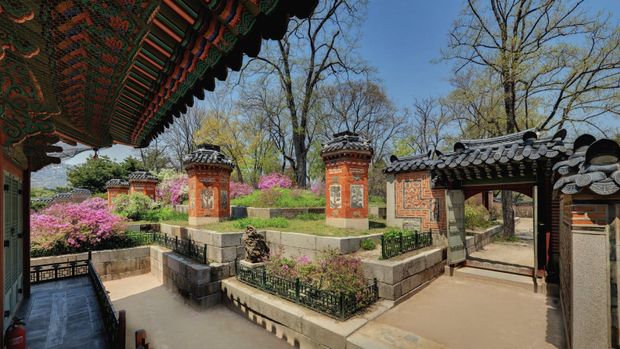
Ondol (温突) is Korea's unique traditional heating system that transfers heat beneath the floor, and is the world's oldest underfloor heating technology with a history spanning over 2,000 years. If you visit Korea in winter, understanding and experiencing this unique heating culture will completely transform the quality of your trip. From the history of ondol to how to use it in your accommodation, here's everything you need to know.
What Is Ondol?
Ondol literally means "warm stone (温突)." It is a radiant floor heating system that has been central to Korean life for centuries. Unlike Western heating systems that warm the air, ondol directly heats the floor, allowing warmth to radiate upward from the heated surface.
This is exactly why Koreans traditionally sit, eat, and sleep on the floor. The warm floor itself is the living space.
History of Ondol: From Goguryeo to Modern Apartments
How Traditional Ondol Works
- Its origins trace back to the Goguryeo Kingdom (37 BC – 668 AD), starting in the northern Korean Peninsula and Manchuria region
- When a fire was lit in the kitchen's agungi (firebox), hot smoke traveled through passages (gorae) beneath the stone floor before exiting through the chimney
- During the Joseon Dynasty (1392–1897), it became the standard heating system in every Korean household
- It was an ingenious system that provided cooking and heating simultaneously
How Traditional Ondol Worked
- Step 1: A fire is lit in the agungi (firebox, usually in the kitchen) at one end of the house
- Step 2: Hot smoke travels through horizontal passages (gorae) beneath the stone floor
- Step 3: The stone floor absorbs the heat and radiates warmth into the room
- Step 4: The smoke exits through the chimney (gulttuk) on the opposite side
Modern Ondol Systems
Today's systems circulate hot water through pipes embedded in the floor. A boiler heats the water, which flows through pipes installed in a grid pattern beneath the floor, and the floor surface radiates warmth evenly throughout the room. Temperature can be controlled via a thermostat on the wall, and currently virtually every building in Korea (apartments, hotels, officetels) has underfloor heating installed.
How to Use Ondol in Your Accommodation
- Look for the temperature control panel on the wall (usually near the entrance)
- The panel has functions for power on/off, temperature up/down, and timer settings
- 20–24°C is comfortable for most people
- It takes 30–60 minutes to fully warm up
- The floor stays warm for a while even after turning it off, so you can lower the temperature before going to sleep
Tips for Enjoying Ondol
Embrace Floor Living
Many traditional Korean accommodations (hanok stays, jjimjilbangs) provide floor bedding. Sleeping directly on a warm ondol floor is a truly cozy experience. Walking around in socks lets you feel the warmth directly.
Things to Keep in Mind
- Placing too much luggage on the floor reduces the heating effect
- Ondol can dry out the air, so use a humidifier or place a wet towel nearby
- The floor closest to the heat source (araenmok) is the warmest — traditionally, this spot is reserved for elders
Where to Experience Traditional Ondol
- Hanok guesthouses (hanok stays) in Bukchon, Jeonju, Andong, and Gyeongju
- Korean traditional spas (jjimjilbang) — where you can experience ondol-style floor heating
- Private rooms at some upscale Korean BBQ restaurants
If you're planning a winter trip to Korea, check out our Complete Guide to Winter Travel in Korea as well. We also recommend 8 Indoor Spots in Seoul to enjoy on cold days.
Frequently Asked Questions (FAQ)
Q. How do I find accommodation with ondol?
Nearly all accommodations in Korea (hotels, Airbnbs, guesthouses) come with underfloor heating as standard. If you specifically want to experience traditional ondol, search for "hanok stay." Bookings are available in Bukchon, Jeonju, Andong, Gyeongju, and more.
Q. Is it okay to sleep on an ondol floor?
Yes, Koreans traditionally sleep on bedding laid out on the ondol floor. Hanok stays and jjimjilbangs provide floor bedding (yo), and sleeping on a warm floor is one of the special experiences of a winter trip to Korea.
Q. What else should I know for a winter trip to Korea besides ondol?
Korean winters (December–February) are very cold, with temperatures ranging from -10°C to 5°C in Seoul. Hand warmers (available at convenience stores for about 1,000 won), Heattech innerwear, and long padded coats are essentials. When getting around, using a NAMANE Card lets you handle transportation and payments all at once without having to pull out cash in the cold.
This article was written using information collected and analyzed by NAMANE's in-house K-pop research AI engine. We use AI technology to bring you faster, broader coverage, and in the process some details may occasionally differ from the latest facts. For important information such as dates, venues, and prices, please double-check with official sources.